What Are the Electrical Requirements for a Nail Salon in Sydney?
What are the electrical requirements for a nail salon in Sydney? A nail salon needs dedicated circuits for each manicure and pedicure station, switchboard capacity rated for every UV or LED curing lamp, steriliser and extraction unit running at once, RCD protection on every socket outlet (especially near the pedicure basins), and purpose built power point layout so technicians are never running double adaptors or extension leads across a wet floor. Get this wrong at lease signing and you are looking at a switchboard upgrade halfway through fit out, or a shop full of tripping safety switches on your opening week.
⚡ Quick Answers: Nail Salon Electrical Requirements
- Do I need a dedicated circuit per nail station? Yes, ideally. Shared power boards across multiple curing lamps, dust collectors and warmers are the single biggest cause of nuisance tripping in nail salons.
- Is RCD protection compulsory around pedicure basins? Yes. Socket outlets and equipment near a pedicure basin sit in a wet or damp environment under AS/NZS 3000, and additional RCD protection applies to those final subcircuits.
- Will my landlord's existing switchboard cope with a nail salon fit out? Often not without checking. A shopfront built for light retail is rarely sized for eight curing lamps, two dust extractors, sterilisers and air conditioning running together.
- Do UV and LED curing lamps need surge protection? It is strongly recommended. The electronics inside curing lamps and LED controllers are sensitive, and a single surge event can take out several units at once if they share an unprotected circuit.
- Do I need dust extraction wired in as part of the fit out? Yes, acrylic and gel dust extraction at each station is a real load that needs its own circuit allowance, not an afterthought plugged into whatever socket is nearest.
- Who signs off this kind of work? Any switchboard upgrade or new consumer mains sizing for a commercial fit out needs a Level 2 ASP electrician, not a standard contractor.
Nail salons look simple from the street, a few chairs, a counter and some nice lighting, but the electrical load behind the scenes is closer to a small beauty clinic than a retail shop. Every station typically runs a UV or LED gel curing lamp, a nail dust collector, and often a heated towel warmer or sterilising unit, sometimes all from the same double power point. Add a pedicure basin with a jet pump, task lighting at the mirror, and a front counter EFTPOS terminal, and a shopfront switchboard sized for a boutique or a cafe can be under real pressure within the first few weeks of trading.
1. Dedicated circuits per station, not shared power boards
Each manicure or pedicure station should have its own dedicated circuit feeding the curing lamp, dust extractor and any warmer at that bench, rather than every station daisy chaining off one double power point with a power board underneath the desk. Power boards and extension leads are not a fit out solution, they are a workaround, and they are exactly what trips a shared circuit breaker the moment two or three curing lamps fire at the same time.
A proper fit out plan counts the equipment at every station (lamp, extractor, warmer, any UV sterile box) and allocates circuits with enough headroom that one station's load never competes with the next. This is standard practice in any salon or treatment space, and it is one of the first things we check against on a hair salon or beauty studio electrical fit out, just with nail specific equipment swapped in.
2. Switchboard capacity for the whole shop running at once
A single curing lamp does not draw much on its own, but multiply that across six or eight stations, add two acrylic dust extractors, a UV steriliser cabinet, reception EFTPOS and lighting, plus air conditioning on a hot Sydney afternoon, and the combined demand is genuinely significant. AS/NZS 3000's maximum demand method in Appendix C is how a Level 2 ASP works out whether your existing connection and switchboard can actually carry that total load, rather than guessing from the number of power points on the wall.
This is where a lot of nail salon fit outs come unstuck. A tenancy that last housed a boutique or a nail bar with four chairs may have a switchboard that was perfectly adequate then, but undersized for a ten station salon with full dust extraction and air conditioning. Checking this before you sign a lease, not after, is the difference between a straightforward fit out and a costly mid build switchboard upgrade.
3. RCD protection, especially around pedicure basins
Pedicure basins create a genuinely wet environment, wet feet, standing water in the basin, splashing during a treatment, and that changes the rules for anything electrical nearby. Final subcircuits feeding socket outlets in that part of the salon need additional RCD protection, the same principle that applies to bathrooms and laundries in a home, because the risk of electric shock increases wherever water and electrical equipment share the same space.
It is not only the basin area. Every socket outlet in a commercial fit out where there is an increased risk of electric shock, whether from damp conditions, spilled acetone and nail products, or heavy equipment use, should sit behind RCD protection. Since 2023, any new RCD installed in NSW also has to be a Type A or Type B device rather than the older Type AC design, which matters if your fit out is reusing an older switchboard. An electrical safety inspection before opening is the simplest way to confirm every circuit in a wet or high use area is genuinely protected, not assumed to be.
4. Power point layout that matches how technicians actually work
The biggest everyday electrical risk in a working nail salon is not a wiring fault, it is a desk covered in double adaptors, piggybacked power boards and extension leads snaking across the floor because there were never enough power points planned for the equipment each technician actually uses. A curing lamp, a dust collector and a phone or tablet charger at a single station adds up fast, and one standard double power point was never going to cover it.
The fix is planning power point count and placement around the real equipment list before fit out, not retrofitting extra points later when the overload becomes obvious. Our guide to how many power points per circuit covers the general rules, and in a nail salon that translates to enough individually switched outlets at each station height, kept well clear of the basin's splash zone, so nobody needs an extension lead to run their own chair.
5. Dust extraction and ventilation as a wired in circuit, not an accessory
Acrylic and gel dust, along with the fumes from primers, acetone and adhesives, are a real air quality issue in a working nail salon, and extraction at each station needs to be treated as part of the core electrical design rather than something plugged in wherever there happens to be a spare socket. A dedicated circuit for extraction at each chair, sized for the actual unit's draw, keeps dust collectors running reliably through a full day of back to back clients instead of tripping out mid appointment.
Salon wide ventilation, whether that is an exhaust fan system or integration with the shop's air conditioning, also needs its own circuit allowance in the switchboard capacity calculation covered above. Treating extraction and ventilation as genuine load items at the design stage, alongside your power supply upgrade if the existing connection is on the smaller side, avoids a shop that smells of acetone by lunchtime because the extraction was an afterthought.
6. Surge protection for curing lamps and sensitive electronics
UV and LED curing lamps, along with their timers and sensors, are sensitive electronic equipment, and a single power surge from a lightning event or a grid fault can damage several units at once if they are all sitting on the same unprotected circuit. Surge protection fitted at the switchboard is a relatively small cost that protects every curing lamp, EFTPOS terminal and point of sale device in the salon in one go, rather than relying on individual plug in surge boards of varying quality at each station.
This matters more in a commercial fit out than people expect, because replacing six or eight curing lamps after one bad storm is a far bigger cost than the surge protection device would have been. Our guide on protecting electronics from power surges explains the general principle, and the same logic applies directly to a salon full of curing lamps and point of sale equipment.
Why it's Level 2 ASP work
Anything that touches the switchboard capacity, the consumer mains, or a new connection to handle a nail salon's combined load sits outside what a standard electrical contractor can sign off. A Level 2 Accredited Service Provider is specifically authorised to work on network connected assets, including upgrading the consumer mains, increasing supply capacity, and liaising with Ausgrid or Endeavour Energy where the existing connection genuinely cannot carry the new load.
A standard contractor can wire your internal circuits and power points, but the moment the question becomes "does our connection have enough capacity for this many stations", that assessment and any resulting consumer mains work needs a Level 2 ASP. Getting this distinction right before you commit to a lease saves a lot of back and forth with a landlord later.
How High Demand Electrical helps
We are one of Sydney's most trusted Level 2 ASPs for commercial fit outs, and we have walked plenty of nail salon owners through exactly this process before a single wall goes up. Our electricians will count the real equipment load at every station, check whether the existing switchboard and connection genuinely have the capacity, and design the power point layout, RCD protection and dedicated circuits around how your salon will actually run, not a generic retail template.
As a licensed local team, not a call centre, we handle everything from the initial site assessment through to the commercial electrical fitout itself, servicing homes and businesses across Sydney's West, South West and Sutherland Shire. If your switchboard needs more headroom before the stations go in, we scope that as part of the same job rather than leaving you to discover it mid fit out.
Nail Salon Electrical Requirements FAQs (Sydney)
Can I just add power boards at each station instead of new circuits?
You can, but it is the main reason nail salons experience tripping safety switches and overloaded outlets once every chair is in use. A dedicated circuit per station, sized for the lamp, extractor and any warmer, is the more reliable long term fix. See switchboard upgrades for how this is planned into the board.
Do I need an electrician before signing a lease for a nail salon shopfront?
Yes, ideally. A quick assessment of the existing switchboard and connection capacity before you sign tells you whether the tenancy can support a full salon fit out as is, or whether you should negotiate fit out works or a different site.
Are pedicure basins treated the same as a bathroom under the wiring rules?
The same underlying principle applies. Water and standing moisture around the basin mean socket outlets and equipment nearby need additional RCD protection, just as they would in a wet area of a home.
How much switchboard capacity does a typical nail salon actually need?
It depends entirely on the number of stations, curing lamps, extraction units and whether air conditioning runs off the same board. This is exactly what a maximum demand assessment during a spare capacity and maximum demand check works out, rather than guessing from floor area alone.
Does a small, single operator nail studio need the same level of electrical planning?
The scale is smaller, but the same principles still apply. Even one station with a curing lamp, dust extractor and warmer benefits from its own circuit and RCD protected outlets, and it is far cheaper to plan that at fit out than to retrofit it later.
Get a Fit Out Electrical Quote
If you are planning a nail salon fit out anywhere in Sydney, get a Commercial Electrical Fitout Quote before you commit to a lease or a layout. Call 0402 559 777 to talk through your station count and equipment list. Every job needs a site assessment before scope or pricing can be confirmed.
Need Help Fast?
Related Services


Powering Your Needs with Expertise
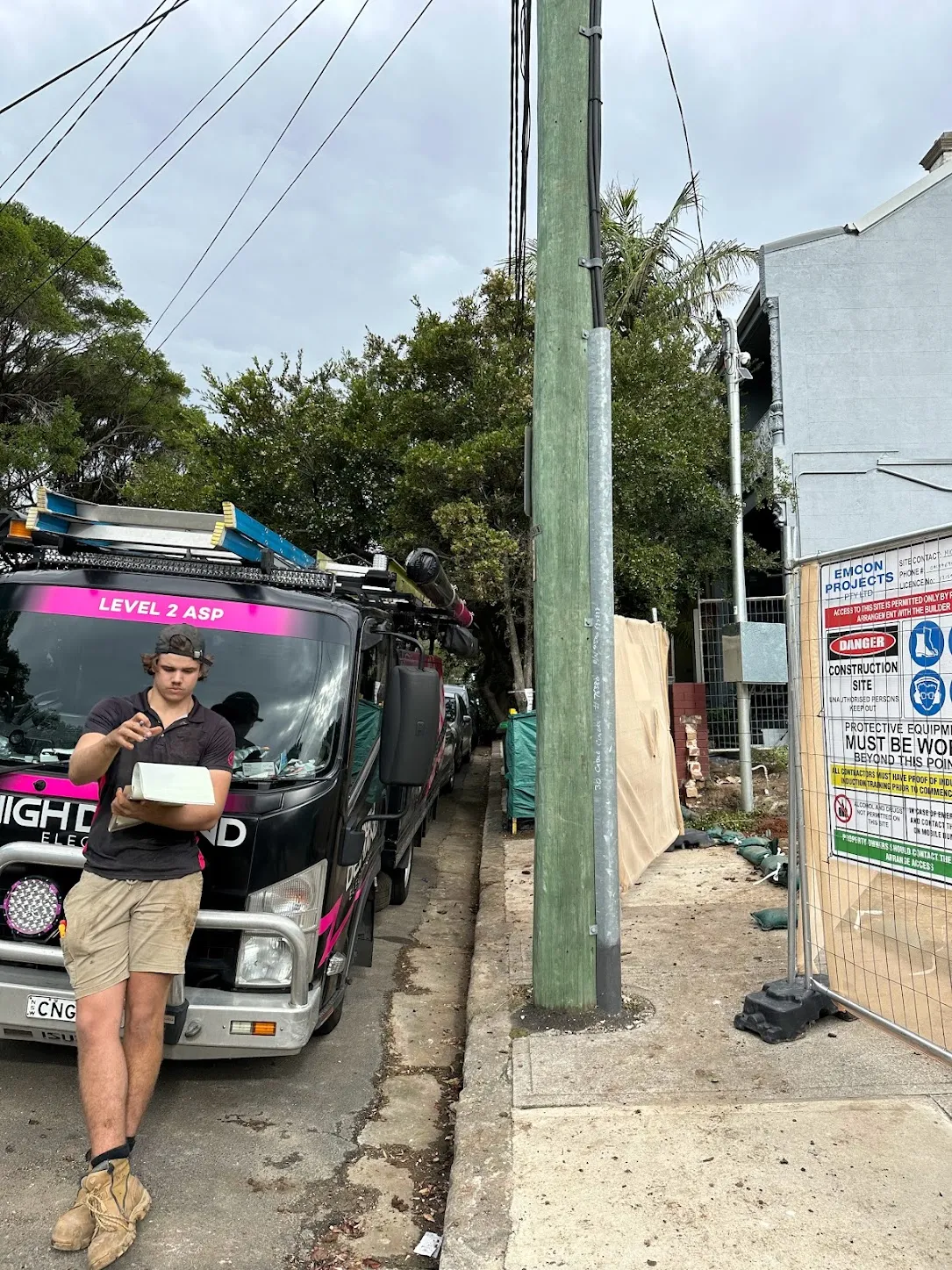
If you’re looking for a reliable, experienced, and prompt electrician, look no further than High Demand Electrical. We cater to all your electrical needs, from routine maintenance to emergency repairs and complete system installations. Our skilled team is committed to providing professional service that ensures your electrical systems run smoothly. Whether it's a small task or a large project, give us a call today. Let us meet all your electrical demands with the quality and reliability you deserve.

Licensed Level 2 ASP electricians across Sydney. Same-day service and 24/7 emergency response.
Licence 397193C
ABN 87 051 836 527