East Coast Lows: What Days of Wind and Rain Do to Sydney's Power Network
What does an east coast low actually do to Sydney's power network? Days of damage, not minutes. Where a summer thunderstorm hits hard and moves on, an east coast low parks off the coast and grinds: soaked ground drops trees onto lines, sustained wind works service cables loose from houses, and driven rain finds its way into switchboards. The failure pattern is different, and so is the recovery.
1. The weather pattern: days, not minutes
An east coast low can sit off Sydney for seventy two hours, delivering rain totals a thunderstorm never approaches and wind that never lets the network rest. Crews cannot work safely at height in gale conditions, so damage accumulates faster than it can be repaired while the system remains. That is the single biggest difference from the summer storms we covered in why Sydney's storm season peaks in summer. Most Sydney properties are still connected by overhead service lines strung between poles, for reasons we cover in why Sydney still has overhead power lines, and it is exactly this exposed infrastructure that multi day wind events test hardest.
2. Saturated ground drops trees
After a day of soaking rain, root plates lose their grip and trees that survived every dry windstorm start coming down, often onto lines that were never in their fall path before. Whose job the vegetation was matters after the event, and our guide to vegetation clearance responsibility across Ausgrid and Endeavour areas sets out the split. If a tree or branch is on any line, treat the whole area as live and call the network, the steps in fallen power line on your property apply exactly.
3. Sustained wind works on the service line
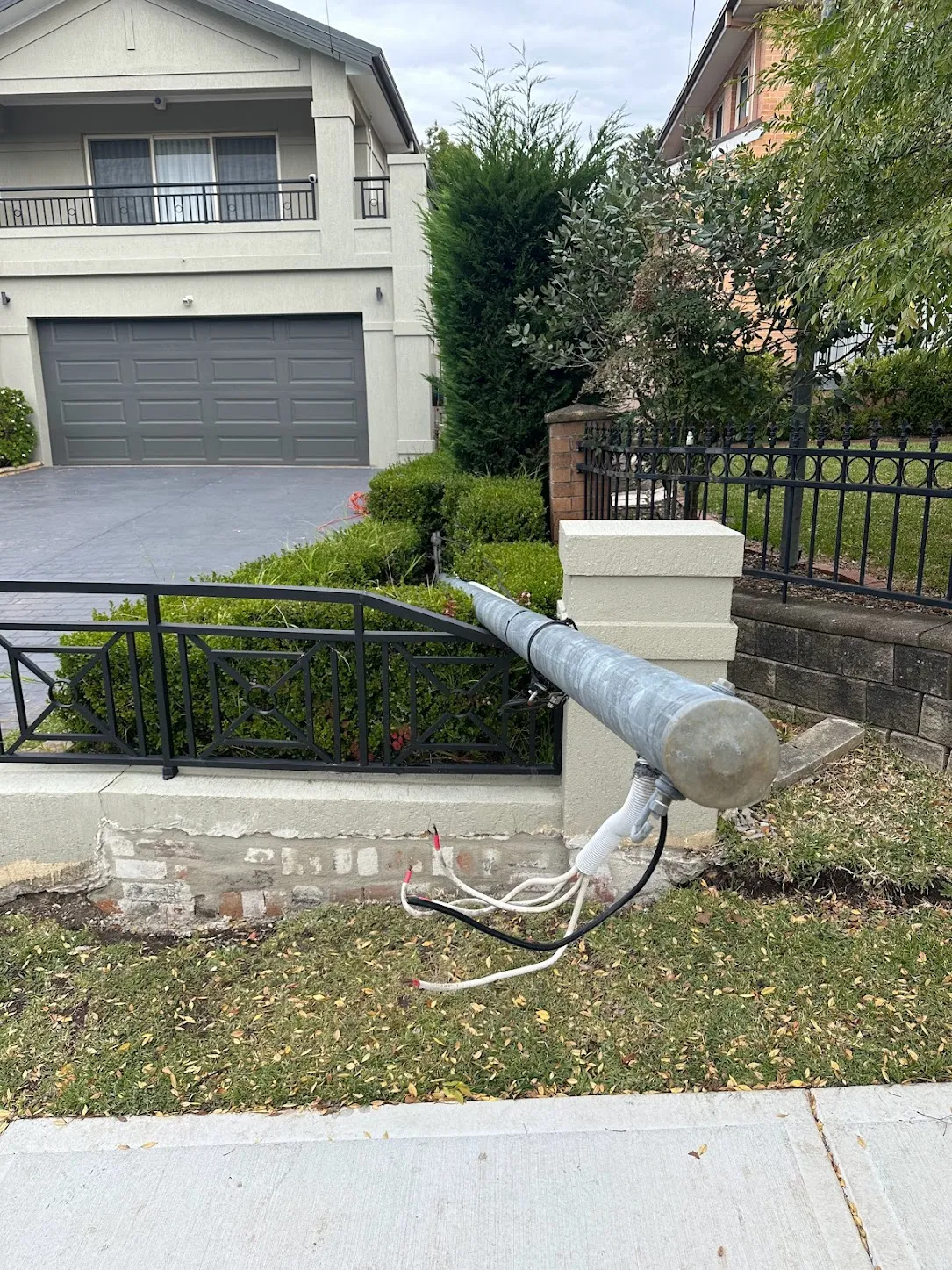
The cable from the street to your house is engineered for wind, but days of gusting load test every fitting: the point of attachment, the tensioning hardware and the pole top. East coast lows are when sagging or swinging services become emergencies, the warning signs we detailed in sagging, swinging or sparking service lines. A pull away at the fascia is a Level 2 repair through our emergency make safe service, not a job for the network queue. Where the connection runs via a private pole rather than a network pole, the pole itself is also your asset to maintain, see our comparison of private power poles versus network poles for who is responsible for what.
4. Water finds the switchboard
Driven rain enters meter boxes and boards through seals that ordinary weather never troubles, and flooding does the rest. Signs that water has reached live components include a musty smell from the board, visible corrosion around terminals, or a safety switch that will not stay reset, any of these means the board needs to stay off until it has been checked. If your board has taken water, do not re energise it: the reasons are in water in your switchboard after a storm, and homes that have been inundated follow the staged process in how power gets reconnected to a flood affected home. A licensed electrician needs to isolate, dry out and test the board before it goes anywhere near mains power again, and older sub-boards in particular are worth a full safety inspection once the weather clears.
5. Why restoration takes longer after an east coast low
The damage is spread across the whole network at once, crews are weather limited until the system moves, and private side damage cannot be reconnected until it is repaired and certified. Understanding the three way split between network assets, your assets and your insurer, laid out in our storm damage responsibility hub, is the fastest way to get the right people moving on day one. Which network you call depends on where you live: check your network area in seconds with our postcode checker.
6. Before the next one arrives
East coast lows are forecast days ahead, which is more warning than any thunderstorm gives. The highest value preparation is the same list as pre summer work: service line and point of attachment condition, board sealing, and vegetation near your own span, covered in our storm season prep guide. Our broader electrical maintenance checklist is worth running through annually, not just before storm season, to catch small faults before wet weather turns them into outages. Homes that cannot afford outages at all, for medical or work reasons, should read our post on what actually keeps the fridge running in a blackout.
How Does High Demand Electrical Help?
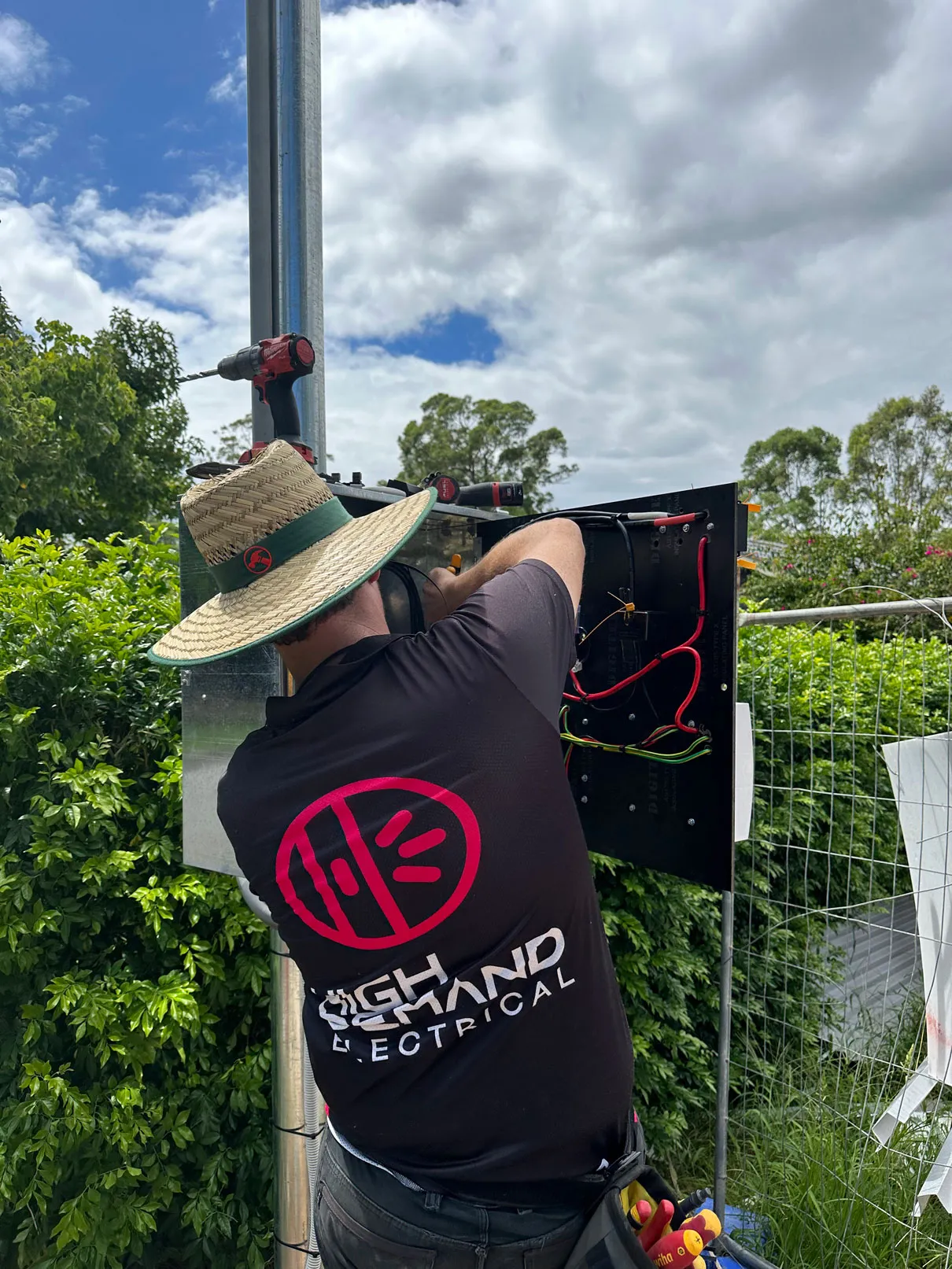
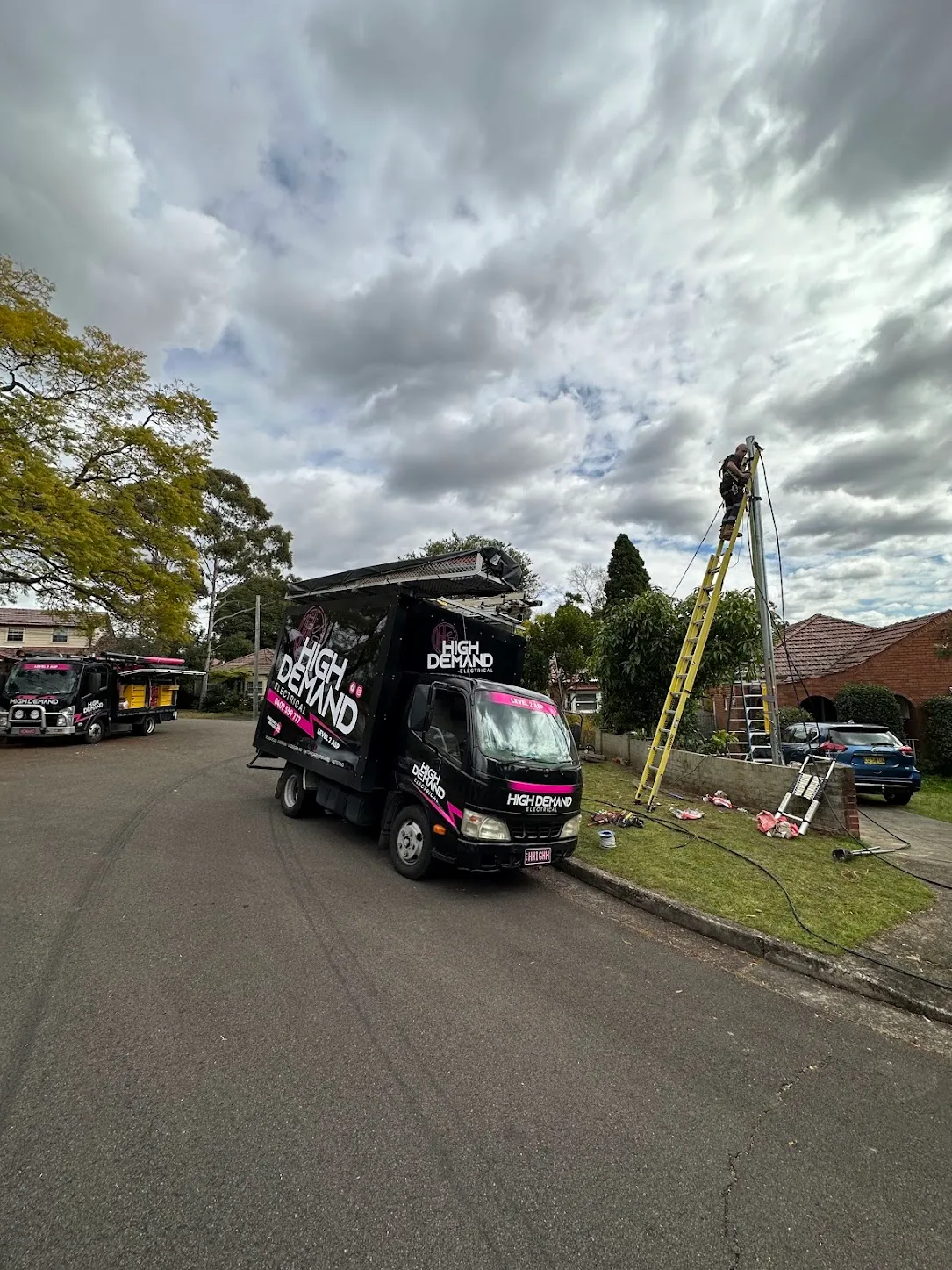
During and after east coast lows we run make safe and reconnection work across Sydney: securing damaged service lines, isolating water affected boards, repairing the private side and certifying it so the network can restore supply. As Level 2 ASPs we work at the connection point itself, which is exactly where east coast low damage concentrates. Our storm damage service covers assessment through to permanent repair.
Storm damaged and need power back?
Get emergency make safe help or call 0402 559 777, any hour during a weather event. Permanent repairs are scoped and priced after a site assessment.
Related Services
Powering Your Needs with Expertise
If you’re looking for a reliable, experienced, and prompt electrician, look no further than High Demand Electrical. We cater to all your electrical needs, from routine maintenance to emergency repairs and complete system installations. Our skilled team is committed to providing professional service that ensures your electrical systems run smoothly. Whether it's a small task or a large project, give us a call today. Let us meet all your electrical demands with the quality and reliability you deserve.