Why Power Logging Should Happen Before Adding EV Chargers, Solar or Batteries
Power logging should happen before adding EV chargers, solar or batteries because it measures how much capacity your supply really has left. Without it, a new charger can overload the main switch, a battery can be sized to the wrong load profile, and a solar system can be designed without knowing when the site actually uses power. Logging replaces estimates with measured data.
This matters most for strata buildings, businesses and larger homes, but it is useful anywhere a big new load is planned.
Table of Contents
- What does power logging measure?
- Why does it matter for EV chargers?
- Why does it matter for solar?
- Why does it matter for batteries?
- What problems does logging prevent?
- What happens after logging?
- How High Demand Electrical plans EV, solar and battery projects
- FAQs
What does power logging measure?
A logger records current per phase, voltage, real and apparent power, and power factor at short intervals. From that, an electrician identifies maximum demand, when peaks occur, how evenly phases are loaded and how much headroom remains against the supply rating. AS/NZS 3000 recognises measurement as a method of determining maximum demand.
Why does it matter for EV chargers?
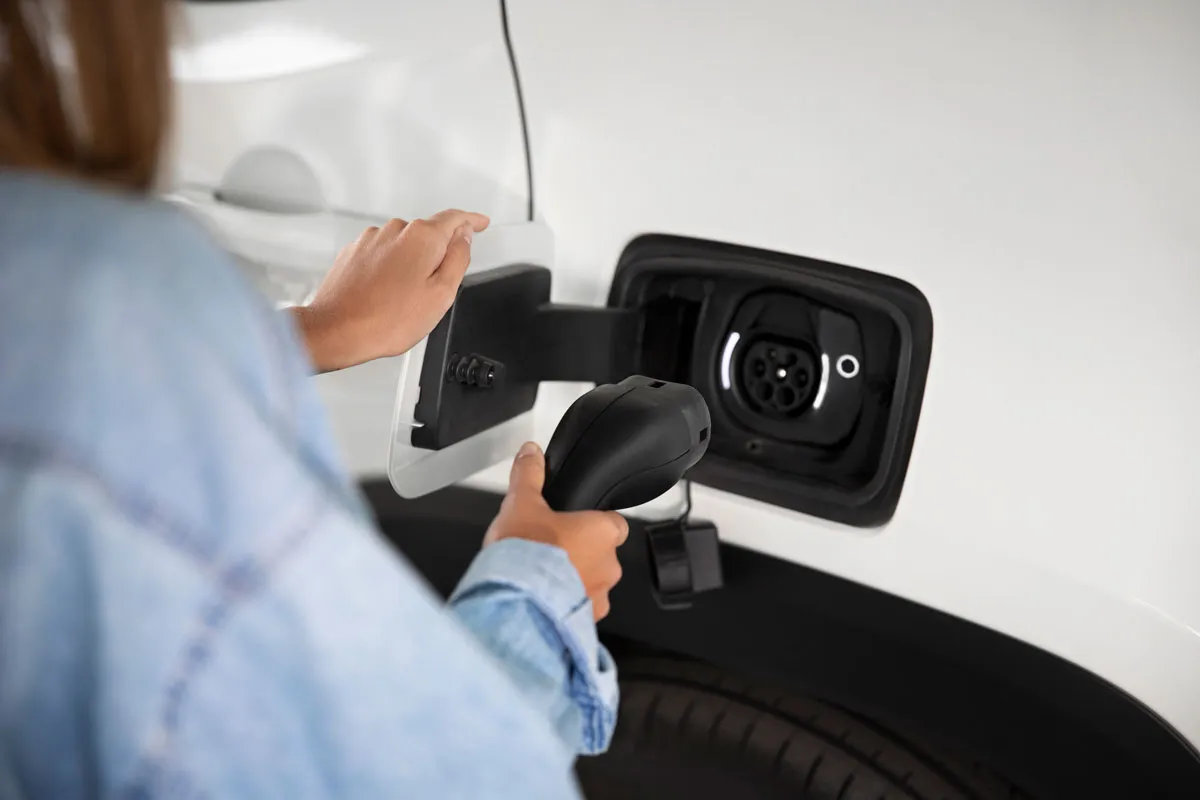
A typical 7 kW single-phase charger draws around 30 to 32 A, and chargers tend to run in the evening when household or building demand already peaks. Logging shows whether that load fits, and whether dynamic load management can let more chargers share the same supply. See can your building handle EV chargers?
Why does it matter for solar?
Solar is most valuable when generation lines up with consumption. Logging shows the daytime load profile so the system can be sized for self-consumption, not just roof space. It also highlights phase imbalance, which matters when a single-phase inverter is added to a three-phase site.
Why does it matter for batteries?
Battery size and inverter rating should match the evening and overnight load you want to cover. Logging reveals the real evening peak and baseload, so you do not pay for storage you cannot use, or buy a unit too small to cover your peak.
What problems does logging prevent?
- Main switch or supply overloads after installation.
- Nuisance tripping when chargers and appliances run together.
- Unnecessary supply upgrades when there is enough spare capacity.
- Delays when the network asks for evidence of demand.
- Oversized or undersized solar and battery systems.
What happens after logging?
You receive a summary of peak demand, phase loading and available capacity, with a recommendation: install as planned, use load management, rebalance phases, or upgrade the supply. For a quick estimate before logging, try the maximum demand calculator on this page.
How High Demand Electrical plans EV, solar and battery projects
We install loggers, interpret the data and design the next step, from commercial EV charging to solar installation. As a Level 2 ASP contractor (Licence 397193C) we can also complete supply upgrades if the logging shows they are needed. Learn more about our power logging and maximum demand service.
FAQs
Related reading
1. What are you calculating?
Choose the application — the calculator applies the matching rules from Table C1 or C2 of AS/NZS 3000:2018.
2. Add your loads
3. Results
Show the full working (line by line)
This calculator applies the maximum demand methods in Tables C1 and C2 of AS/NZS 3000:2018 (Appendix C). Appendix C is a guide — the standard permits other assessment methods, and your electricity distributor or the NSW Service & Installation Rules may impose additional requirements. Results are for estimation and education; final maximum demand assessment must be confirmed by a licensed electrician. Ratings entered in watts or kilowatts are converted at 230 V (single-phase) or 400 V (three-phase). Table C1 motors assume pf 0.86 and efficiency 0.95; Table C2 motors assume pf 1 and efficiency 0.95, per the standard's conventions.
Project information
These details appear on your PDF report.
Related Services

.webp)
Powering Your Needs with Expertise
If you’re looking for a reliable, experienced, and prompt electrician, look no further than High Demand Electrical. We cater to all your electrical needs, from routine maintenance to emergency repairs and complete system installations. Our skilled team is committed to providing professional service that ensures your electrical systems run smoothly. Whether it's a small task or a large project, give us a call today. Let us meet all your electrical demands with the quality and reliability you deserve.