What Switchboard Thermal Imaging Can Detect (and What It Can't)
Switchboard thermal imaging detects hot spots caused by loose or corroded connections, overloaded cables and busbars, unbalanced phases, and breakers, fuses or contactors that are starting to fail. Because heat usually builds long before a component burns or trips, a thermal scan finds these problems while they can still be fixed during planned maintenance rather than an emergency shutdown.
This guide explains what a scan can and cannot find, how it is done, and how often to book one.
Table of Contents
- What faults can thermal imaging detect?
- What can thermal imaging not detect?
- How is a switchboard thermal scan carried out?
- How are thermal findings prioritised?
- Who benefits most from thermal imaging?
- How High Demand Electrical uses thermal imaging
- FAQs
What faults can thermal imaging detect?
- Loose or under-torqued terminations on breakers, busbars, neutral links and main switches.
- Corroded or oxidised connections, common in older and coastal installations.
- Overloaded circuits and conductors carrying more current than their rating.
- Phase imbalance, where one phase runs noticeably hotter than the others.
- Failing breakers, fuses and contactors with internal resistance.
- Harmonic heating of neutrals on sites with many drives or electronic loads.
- Blocked ventilation or overheating enclosures.
What can thermal imaging not detect?
- Faults on circuits that are switched off or lightly loaded at the time of the scan.
- Problems hidden behind covers that cannot safely be removed.
- Insulation breakdown, earthing faults or RCD performance, which need electrical testing.
- Compliance issues such as missing labelling or incorrect cable sizing.
That is why thermal imaging is best combined with an electrical safety inspection.
How is a switchboard thermal scan carried out?
- The electrician confirms the board is under typical load.
- Covers are opened where it is safe, following live-work risk controls.
- Images are captured of every section, with comparable components compared side by side.
- Temperature rises are recorded and graded by severity.
- A report lists each finding, its priority and recommended repair.
How are thermal findings prioritised?
Findings are graded by how much hotter a component is than a similar component under the same load, or than ambient temperature. Small differences are monitored; larger differences are scheduled for repair; severe hot spots need urgent action. Your report should explain the grading used for each item.
Who benefits most from thermal imaging?
- Strata buildings, before and between main switchboard planning.
- Commercial and industrial sites where downtime is costly.
- Properties with insurance or compliance maintenance requirements.
- Homes with a buzzing switchboard, burning smell or warm board cover.
How High Demand Electrical uses thermal imaging
Our electricians include thermal imaging in preventive electrical maintenance programs, strata condition reports and commercial compliance checks. We repair what the scan finds, from re-terminating connections to switchboard upgrades, delivered by a Level 2 ASP contractor (Licence 397193C).
FAQs
Related reading
Related Services

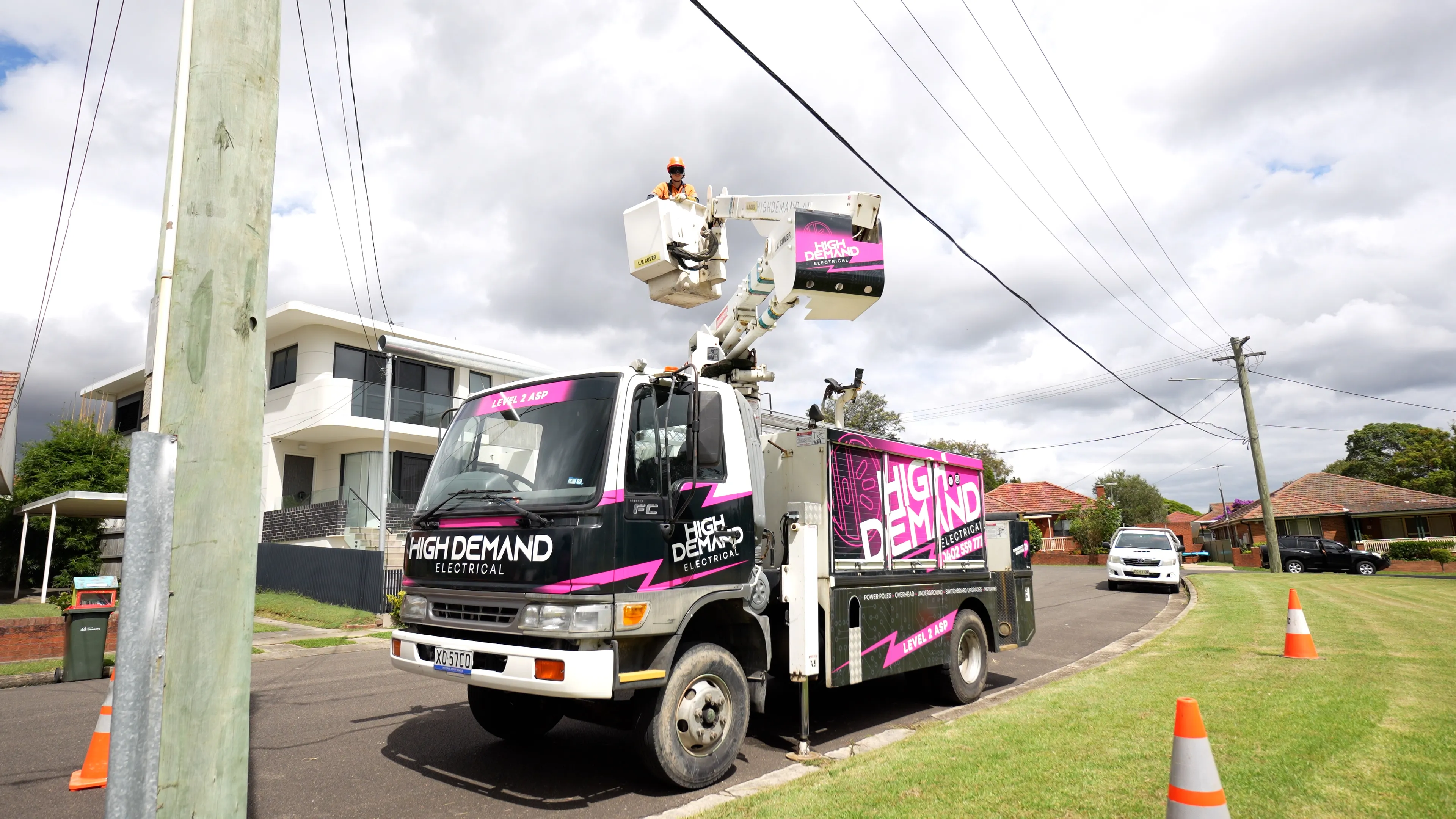
Powering Your Needs with Expertise
If you’re looking for a reliable, experienced, and prompt electrician, look no further than High Demand Electrical. We cater to all your electrical needs, from routine maintenance to emergency repairs and complete system installations. Our skilled team is committed to providing professional service that ensures your electrical systems run smoothly. Whether it's a small task or a large project, give us a call today. Let us meet all your electrical demands with the quality and reliability you deserve.