Battery Ready: What to Check Before You Buy a Home Battery
Is your home actually ready for a battery? Most Sydney homes can take one, but four things need checking before you sign anything: where the battery can physically go, whether your switchboard has the room and protection to support it, whether you want backup power in a blackout, and how your network approval will work. Sorting those out first is the difference between a smooth installation and a quote that doubles on the day.
1. Find the wall before you find the battery
Batteries are fussier about location than most people expect. They want a solid wall, protection from weather, ventilation, and shade. A west-facing wall that cooks all summer afternoon is a poor home for electronics that are rated to specific maximum operating temperatures, and heat is one of the main things that shortens battery life.
Australian installation requirements also restrict where a battery can be mounted around living areas, doorways and windows, which rules out more spots than you would guess. The practical shortlist for most Sydney homes is the garage or a shaded, accessible external wall. Your installer confirms a compliant position during the site assessment, so have a preferred spot and a fallback in mind.
2. Check the switchboard has room to work with
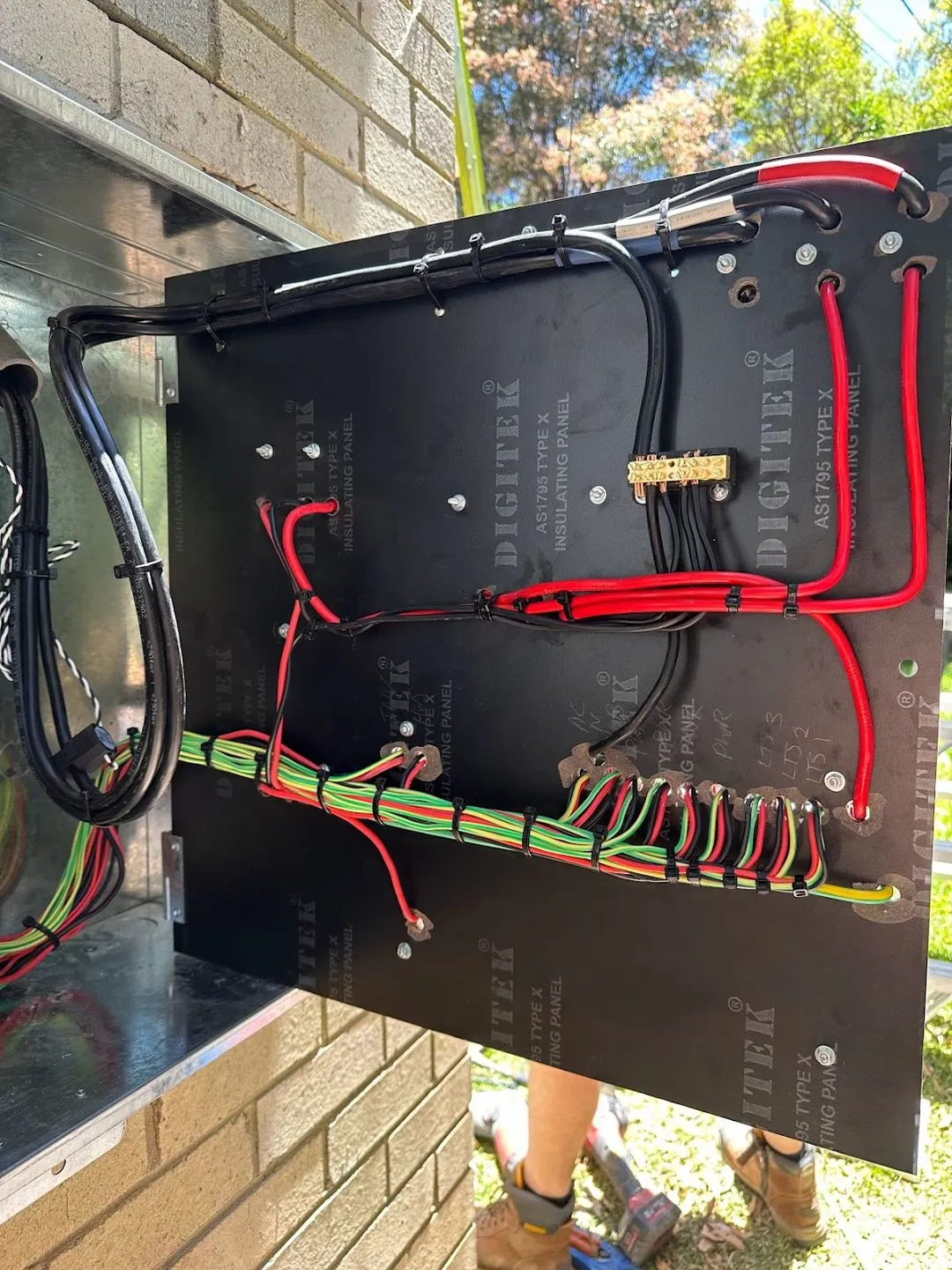
A battery adds circuits, protection devices and often a new inverter to your board. If your switchboard is already full, still running ceramic fuses or an asbestos-era panel, or has no spare ways at all, budget for switchboard work as part of the project rather than a surprise on installation day.
This is also the moment to think about the rest of your electrical plans. If an EV charger, induction cooktop or heat pump is on your horizon, sizing the board work once is far cheaper than revisiting it every year. Where the run from switchboard to battery is longer than expected, or needs heavier cable to handle the charge and discharge current, our battery system cable upgrades service covers that part of the job.
3. One inverter or two
If you already have solar, the battery either works through a hybrid inverter that replaces your existing one, or arrives with its own battery inverter alongside the solar system. Both paths are covered by the same inverter standard, AS/NZS 4777, that governs how your system talks to the grid. Which path suits you depends on the age of your current inverter and the battery you choose, and it changes the quote, so ask the question early.
No solar yet? You can still install a battery, but most homes pair the two. If panels are in your future, read our guide to making your home solar and battery ready first, or if you are still building or renovating, our solar ready vs solar installed pre-wiring guide covers provisioning for both while the walls are open.
4. Decide about blackout backup now
A battery does not automatically keep the lights on when the street goes dark. Backup only works if your installer wires dedicated backup circuits at the switchboard, usually covering the fridge, some lights and a few power points rather than the whole house. It is one of the most common disappointments we hear about after the fact, and it is entirely avoidable by deciding upfront. Sydney's exposure to east coast lows and the outages they cause is exactly why backup planning matters here, and our guide to making your home blackout ready compares batteries with a generator installation for exactly this job.
5. Network approval comes before connection
Under the Service and Installation Rules of NSW, battery systems are treated like other small-scale generation connected through an inverter. Your distributor has to approve the inverter and protection equipment in writing before the system connects, battery storage must be declared on the application, and larger systems can need extra negotiation. Export limits or a zero-export setting are sometimes part of the approval, which affects how your system is configured rather than whether you can have one.
The paperwork differs between networks, so it matters whether you are with Ausgrid or Endeavour Energy. You can check your network area in seconds with our postcode checker, then read the matching guide: solar and battery approvals in Ausgrid territory or export limits in Endeavour Energy areas.
6. Metering and the final connection
The system stays isolated from the grid until compliant metering is in place, so a meter change is often part of the job. If your meter box is old or crowded, a smart meter upgrade can be handled in the same project. Bi-directional metering also needs to correctly account for both the import and export sides once a battery is added, and an older meter usually cannot simply be reconfigured for this, so your retailer or metering provider typically has to replace it. Building that swap into the same visit as the switchboard and battery work avoids a second appointment before the system can be energised. And if the battery pushes your home's plans past what the existing supply comfortably handles, that is where power supply upgrades and Level 2 work enter the picture.
How Does High Demand Electrical Help?
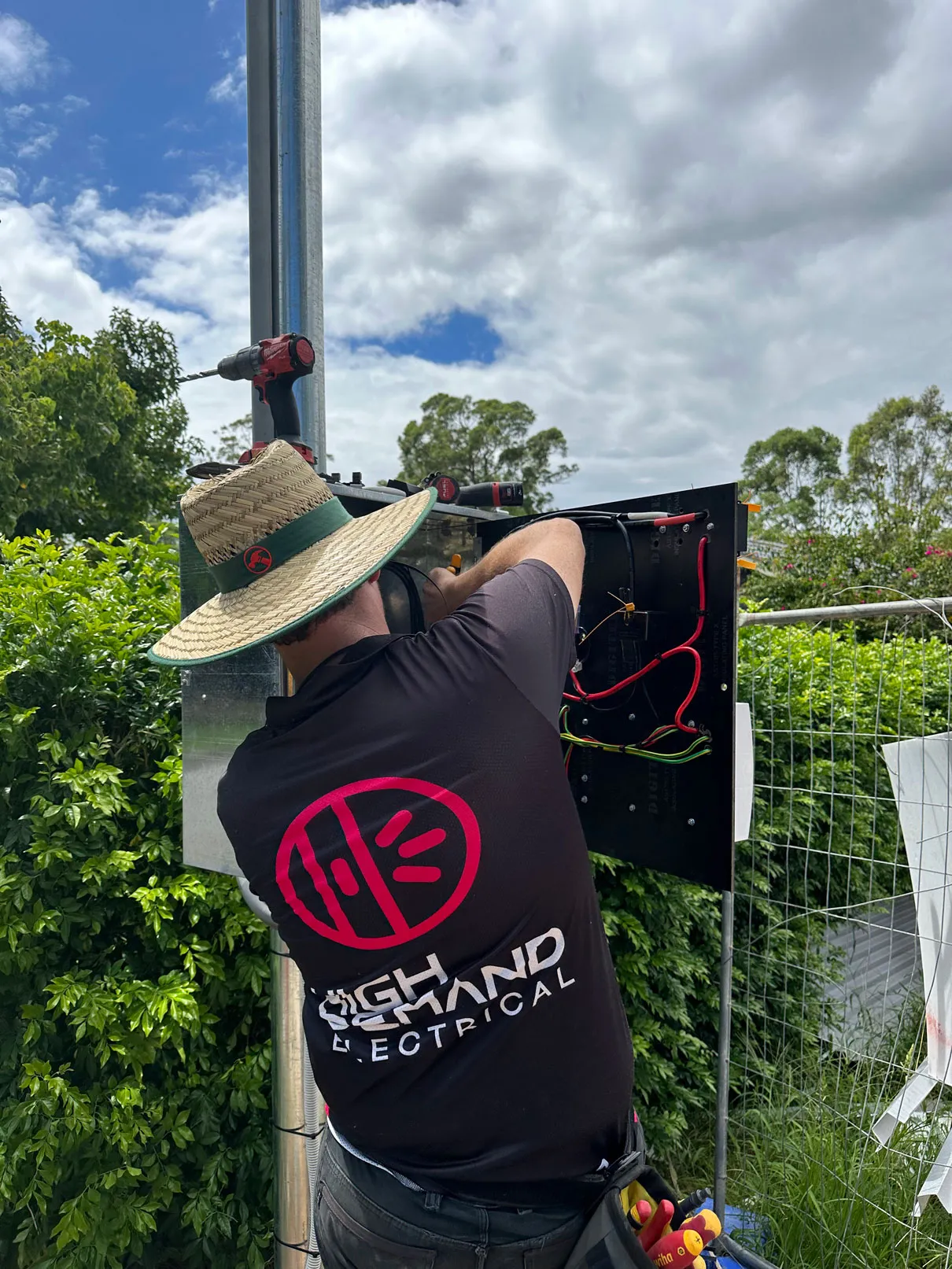
We assess battery readiness the way we would want it done on our own homes: a real look at your switchboard, wall options, existing solar and supply capacity before anyone orders hardware. As Level 2 electricians, we also handle the jobs a battery project can trigger, from switchboard upgrades to metering and supply work, and we are across the compliance side covered in our NSW battery storage compliance guide.
Frequently Asked Questions
Ready to get battery ready?
Get a battery readiness assessment quote from High Demand Electrical, or call 0402 559 777. Every job starts with a site assessment so scope and pricing are confirmed before any work begins.
Related Services
Powering Your Needs with Expertise
If you’re looking for a reliable, experienced, and prompt electrician, look no further than High Demand Electrical. We cater to all your electrical needs, from routine maintenance to emergency repairs and complete system installations. Our skilled team is committed to providing professional service that ensures your electrical systems run smoothly. Whether it's a small task or a large project, give us a call today. Let us meet all your electrical demands with the quality and reliability you deserve.