What Is a Power Surge? Why It Damages Your Home and What Actually Protects Against It
Written by Chris · Licensed Level 2 ASP Electrician · Licence 397193C · Published 24 November 2026
What Is a Power Surge? The Short Answer
A power surge is a brief spike in electrical voltage that exceeds what your home's wiring and appliances are designed to handle. Normal household voltage in Australia sits at 230V. During a surge, that voltage can spike to several hundred or even thousands of volts for a fraction of a second, sometimes as little as a few microseconds.
In this guide
That speed is part of the problem. The event is over before you notice it. No bang, no flash, no tripped breaker. You find out days or weeks later when the fridge stops cooling, the TV won't turn on, or your solar inverter throws a fault code.
Most people also miss this: a single dramatic surge isn't always responsible. Appliance damage accumulates from repeated small surges over months and years, each one pushing the sensitive electronics inside your devices a little closer to failure. By the time something dies, the actual killing blow might have been entirely unremarkable.
What Causes Power Surges in Sydney Homes?
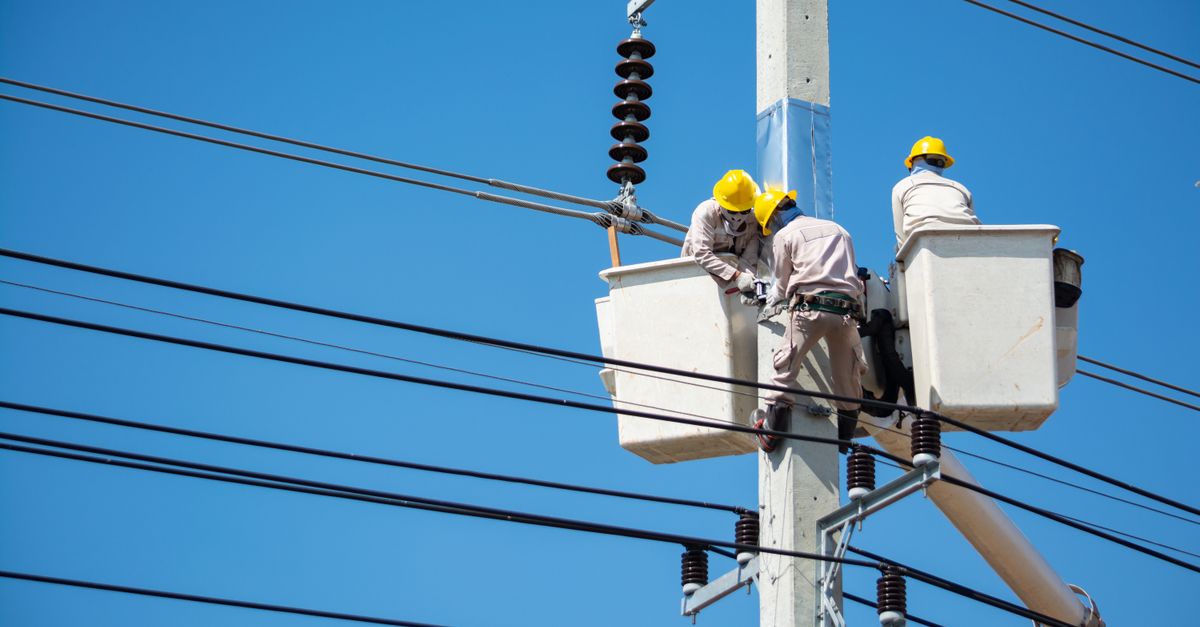
Sydney's grid has specific characteristics that make surge exposure higher than most homeowners realise. Here are the five main causes.
1. Switching on the Ausgrid network
Every time Ausgrid switches load on the distribution network, whether rerouting power after a fault, restoring supply after an outage, or balancing load across the grid, that switching action generates a transient voltage spike; these events can also happen on the power grid during fault restoration, load balancing, or other supply changes. A power surge occurs when the electrical flow is interrupted or rapidly changed during this switching, sending excess voltage along the line. Overhead cables carry surges more readily than underground cabling, so homes on overhead distribution lines are more exposed. Large parts of Sydney still run on overhead lines: much of the Inner West, parts of the North Shore, and significant areas of Western Sydney all fall into this category.
2. Lightning strikes (direct and nearby)
External factors such as lightning striking a nearby power line can send excess voltage into homes across an entire distribution circuit. Even a nearby strike, a kilometre away or more, can affect every home connected to the same circuit, and these electrical surges can damage connected devices even without a direct strike on the property. You don't need to be the one who got hit.
3. Large appliances cycling on and off
Air conditioners, pool pumps, refrigerators, and washing machines are home appliances that create small internal surges every time their compressors or motors start and draw a significant amount of electricity. Each event is minor on its own. An HVAC system can also contribute to an electrical overload when it starts at the same time as other large appliances. Over months and years, though, they wear down the most sensitive electronics in your home, TVs, computers, home automation hubs, smart thermostats, without any visible warning it's happening.
4. Faulty wiring or switchboard issues
A loose connection, corroded fuse, ageing switchboard, or outdated wiring in an older home can produce arcing, which also generates voltage spikes. Regularly tripping breakers or flickering lights on a calm, storm-free day, along with burnt smells or buzzing outlets, often means the source of your surges is already inside the home. That's a sign a switchboard upgrade should be on your list sooner rather than later, and a pungent odor from outlets suggests significant surge damage that should be inspected promptly.
5. Downed power lines or vehicle accidents
When a powerline comes down from a storm, a car accident, or a tree, homes on the affected circuit can receive a surge that destroys appliances almost instantly. These events are what most people picture when they think about surge damage, but they represent only a fraction of the total harm done over a home's lifetime.
What Does a Power Surge Actually Damage?
The list below runs from most expensive to most common. The pattern worth noticing: the costliest items are also the ones a standard power board can't reach.
Solar inverters, the most common and most expensive surge casualty in Sydney homes right now
EV charger control units, expensive hardware that sits on a dedicated circuit
Refrigerator and air conditioner compressor control boards, the boards fail, even if the compressor itself survives
Smart home devices, thermostats, automation hubs, and security systems
Computers, TVs, and home entertainment systems
Smart meters and metering equipment
Your fridge doesn't plug into a power board. Neither does your air conditioner, your solar inverter, or your EV charger, and severe surges can fry circuit boards in these hardwired systems, create fire hazards, and cause equipment failure. The devices with the highest replacement cost, including valuable electronics, sit on hardwired circuits that a plug-in surge protector cannot touch.
Does a Power Board Surge Protector Actually Protect Your Home?
A power board surge protector gives limited protection to whatever you plug directly into it. For a desk with a laptop and a monitor, that's genuinely useful, and those plug-in units are best thought of as individual surge protectors or surge suppressors. But it cannot protect:
Your fridge, air conditioner, oven, or EV charger
Your switchboard or home wiring
Your solar inverter
Any circuit not covered by that specific board
A surge protector's joule rating shows how much surge energy it can absorb, and models rated around 2000 joules generally handle stronger surges better.
There's a second problem. Power board surge protectors degrade over time, and once they've absorbed enough surge energy, they stop working with no visible indication anything has changed. The power board still lights up, devices still charge, but the surge protection is gone. Plug-in protection can help safeguard individual devices and connected devices, but only on the outlets it serves.
For whole-home protection, the only answer is a Surge Protection Device installed inside the switchboard.
What Is Proper Surge Protection? The Switchboard SPD

A Surge Protection Device (SPD), also called one of the fixed surge protection devices used at the switchboard, is installed directly into your switchboard by a licensed Level 2 ASP electrician. It sits at the entry point of your home's electrical system, so when voltage exceeds normal voltage at the panel due to the Ausgrid network, a lightning event, or anywhere outside the home, the SPD clamps the spike and diverts the excess energy safely to earth before it reaches a single circuit or appliance.
One SPD covers everything simultaneously: the fridge, the EV charger, the solar inverter, the air conditioner, and every screen in the house. In practice, whole house surge protectors help protect the home's wiring and sensitive equipment, though some especially sensitive electronics can still benefit from plug-in protection.
A whole house surge system is designed to prevent power surges from reaching multiple circuits, while individual protection may still be needed for selected devices.
SPDs installed in Australian switchboards are manufactured and tested to AS/NZS 61643.11, the relevant Australian and New Zealand standard. This fixed protection should be installed by a licensed electrician to help protect home appliances and electronic devices across the property. If you want to understand what an SPD is and how it differs from an MPD, that detail is worth reading before your installation.
Surge protection installations are most common in Sydney areas served by overhead Ausgrid distribution lines: the Inner West, parts of the North Shore, and parts of Western Sydney. If your suburb runs on overhead cables and you haven't had an SPD fitted, your home is unprotected against external surge events.
The full surge protection installation service page covers what the work involves and what to expect on the day.
When Should You Book a Surge Protection Installation?
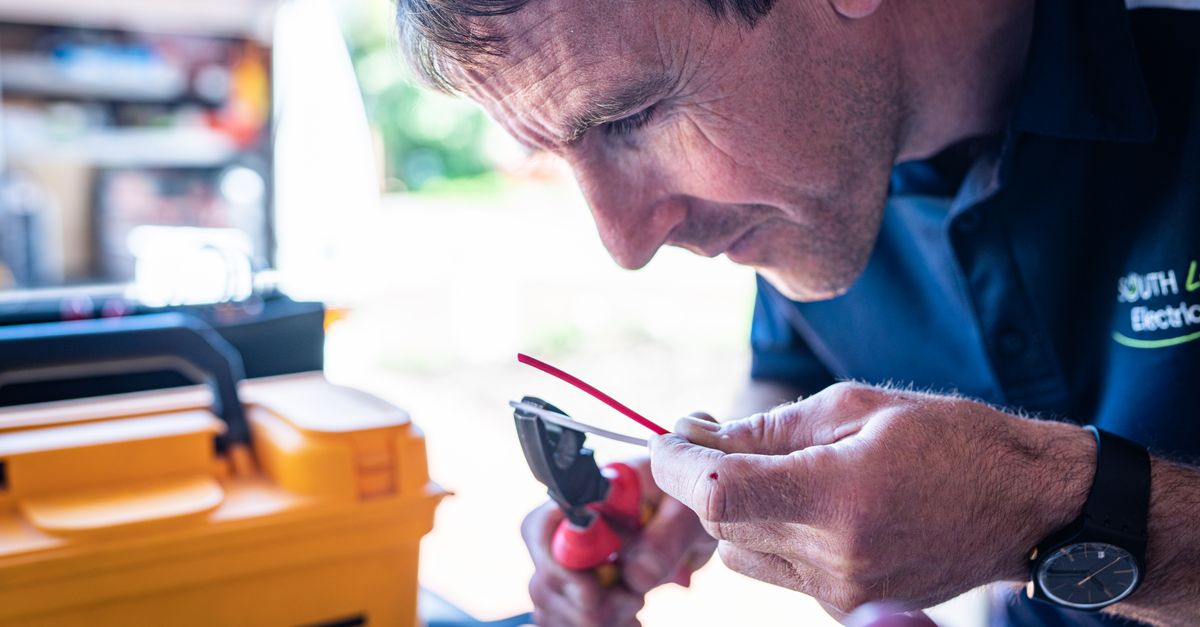
The most common causes of damaging surges include overloaded circuits, faulty wiring, and external grid events, so acting early is one of the smartest preventive measures before damage escalates.
The switchboard upgrade trigger is worth emphasising. If the switchboard is already being opened for a fuse box replacement or mains upgrade, adding an SPD at the same time is straightforward, and proper installation is essential to reduce risk to the home's electrical system. Waiting means paying for a second visit later. If you notice clocks flashing “12:00” after an interruption, repeated appliance resets, or other signs of unstable supply, it’s time to invest in surge protection.
How HD Electrical Handles Surge Protection in Sydney
Chris holds licence 397193C and is a Level 2 ASP electrician, accredited to work at the point where your home connects to the Ausgrid network, not just the internal circuits. That accreditation matters for surge protection work, because the installation involves the main switchboard and the incoming supply. After storms or unexplained equipment failure, a professional electrician can also assess surge-related damage or risk at the switchboard and incoming supply.
Every job starts with an assessment: checking switchboard space, understanding the supply characteristics of the property, selecting the appropriate SPD type, and recommending the right level of power supply protection for the property. That assessment can also identify overloaded circuits or extension cords that may be contributing to internal surges. Installation typically takes one to two hours and can be combined with any switchboard or mains upgrade to reduce the total time on site.
HD Electrical carries more than 300 five-star Google reviews across Sydney. For Inner West properties specifically, there's a dedicated page covering surge protection in the Inner West with suburb-specific detail.
To get started, use the contact page to describe your situation. Chris will come back to you directly.
Frequently asked questions
What is a power surge, in simple terms?
A power surge is a sudden spike in electrical voltage lasting a fraction of a second but reaching many times the standard 230V your home runs on. It can destroy electronics instantly, or wear them down gradually through repeated smaller surges over time.
Can a power board surge protector protect my whole home?
No. A power board is one of the individual surge protectors used for specific devices, so it only protects devices plugged directly into it and cannot cover hardwired appliances like your fridge, air conditioner, solar inverter, or EV charger. Plug-in protection can help prevent physical damage and data loss on computers or similar equipment, but it still will not cover hardwired circuits. It also degrades silently, so the protection disappears without any sign that anything has changed.
What causes most power surges in Sydney?
The most common causes of power surges in Sydney are switching events on the Ausgrid distribution network, lightning strikes affecting nearby power lines, and large appliances cycling on and off inside the home, though internal issues like overloaded circuits can also be responsible; among the broader causes of power surges, power outages and restoration events on the network can also trigger surges. Homes on overhead distribution lines in suburbs like the Inner West and parts of the North Shore are more exposed than those on underground cabling.
Who installs a surge protection device in Sydney?
An SPD must be installed by a licensed Level 2 ASP electrician, as the work involves the main switchboard and the incoming supply to the property. It is not a DIY job and cannot be done by a standard residential electrician without Level 2 accreditation.
When is the best time to have an SPD fitted?
The four main triggers are: after a storm or outage that caused flickering or appliance failure; before installing solar; before installing an EV charger; and when upgrading your switchboard, so both jobs can be done in a single visit.
Does surge protection affect my solar inverter warranty?
Many inverter manufacturers recommend or require surge protection as a condition of their warranty. Some owners also add an uninterruptible power supply for critical equipment during storms, but that is separate from the switchboard SPD. Installing an SPD before your solar system is commissioned is the cleanest approach. Your installer can confirm the specific requirement for your inverter model.
The High Demand Electrical teamHigh Demand Electrical publishes what it learns from the work itself.
Need Help Fast?
Related Services


Powering Your Needs with Expertise
If you’re looking for a reliable, experienced, and prompt electrician, look no further than High Demand Electrical. We cater to all your electrical needs, from routine maintenance to emergency repairs and complete system installations. Our skilled team is committed to providing professional service that ensures your electrical systems run smoothly. Whether it's a small task or a large project, give us a call today. Let us meet all your electrical demands with the quality and reliability you deserve.

Licensed Level 2 ASP electricians across Sydney. Same-day service and 24/7 emergency response.
Licence 397193C
ABN 87 051 836 527