Moisture in meter box: what homeowners must do
If you've spotted moisture in your meter box, treat it as a safety issue until an electrician proves otherwise. Water and electricity share the same enclosure in there, and that combination can turn a minor annoyance into a shock or fire risk fast. The single most important thing to do right now is simple: keep clear of the box and call a licensed electrician or your utility provider before you touch anything.
Some signs mean the danger is immediate, not theoretical:
- Sparking, buzzing, or crackling near the meter or switchboard
- A burning or acrid smell coming from the box
- Standing water that's touching wiring, breakers, or the meter itself
- Visible rust, corrosion, or white mineral crusting on metal parts
Do not touch the meter, switchboard, or any wiring if water is present. If you see sparks, smell burning, or suspect the water is in contact with live equipment, stay well back and call [000] or your local emergency electrical line immediately.
Key Takeaways
Moisture in a meter box demands a safety-first response: stay clear, verify the cause, and let a licensed electrician decide what needs replacing rather than just drying.
| Point | Details |
|---|---|
| Treat it as a safety issue | Keep clear of any wet meter box and never touch it if sparking, burning smell, or standing water is present. |
| Diagnose before fixing | Empty the box, log the meter reading, and recheck in 24 to 48 hours to tell condensation from a leak. |
| Drying often isn't enough | Equipment with electronic components can stay hazardous after drying and may need replacement, not refurbishment. |
| Know who's responsible | Utilities generally cover up to the meter; homeowners are responsible for equipment on their own side. |
| Call a licensed professional | High Demand Electrical offers emergency make-safe callouts and free site inspections for Level 2 work. |
Table of Contents
- Why moisture shows up in meter and switchboard boxes
- How to inspect the box safely and work out the cause
- What to do right now: the immediate safety checklist
- What an electrician checks and how they fix it
- Durable fixes: sealing, ventilation, and knowing when to relocate
- Who pays: responsibility, documentation, and rough timelines
- Why drying isn't always enough
- Frequently asked questions
- Sources
Why moisture shows up in meter and switchboard boxes
Condensation forms when warm, humid air meets a cooler metal surface inside the box, the same reason a cold drink sweats on a hot day. It's usually a fine mist or small droplets and tends to show up overnight or in early morning when temperatures swing. External ingress is a different animal entirely: damaged door seals, a warped or ill fitting lid, roof runoff draining toward the box, a leaking underground pipe, or groundwater rising after heavy rain can all push water inside.
- Condensation: clean droplets, worse at dawn or after cold nights, no ongoing water source
- Ingress or leak: puddles or standing water, murky or muddy colour, water that returns quickly after you mop it out
Pro Tip: Check nearby downpipes and any exposed pipework near the box. If moisture only appears after rain and lines up with a nearby drainage point, you're likely dealing with ingress, not condensation.
How to inspect the box safely and work out the cause
You can gather useful evidence without touching anything electrical. Stick to a visual check from a safe distance.
- Look for pooling water, rust streaks, or white mineral deposits on metal surfaces
- Note any smell, particularly a burnt or ozone-like odour
- Check whether the meter dial or digital display is fogged, discoloured, or unresponsive
- Note whether the moisture appeared straight after rain or seems constant regardless of weather
Photograph everything: the meter reading with a timestamp, the water level in the box, and any corrosion or staining. These photos matter later for utility claims or an electrician's assessment.
- A useful DIY test: empty the box, log the meter reading and time, then check again in 24 to 48 hours
- Fast refill within hours points to an active leak; a slow trickle back suggests groundwater; moisture only after rain points to surface ingress
Stop inspecting immediately and call a professional if you see live water touching equipment, hear sparking, or smell burning.
What to do right now: the immediate safety checklist
Work through this in order, and don't skip ahead to "fixing" anything yourself.
- Keep children, pets, and yourself clear of the box
- Only isolate power at the main switch if you can do so without touching wet surfaces or standing in water
- Photograph the scene: meter, water level, any damage, with timestamps
- Call the right party (utility for supply-side leaks affecting the meter, a licensed emergency electrician for anything electrical past the meter)
- Wait for professional clearance before touching or re-energising anything
Never do these things:
- Never touch a wet switchboard, meter, or wiring with bare hands
- Never use water, a hose, or a wet cloth to try to clear the box
- Never flip breakers back on after equipment has been wet, even if it looks dry
- Never assume a quick dry with a hairdryer or fan makes equipment safe again
If in doubt, book an emergency make-safe call-out. A Level 2 licensed electrician can isolate the supply safely and assess what's actually happened inside the box, something you genuinely can't judge from outside.
What an electrician checks and how they fix it
A licensed electrician arriving on a moisture call-out doesn't just towel things dry and flick the power back on. Expect a structured process built around proving the equipment is actually safe.
- Insulation resistance testing on affected circuits and equipment
- Moisture mapping to trace where water entered and how far it travelled
- Visual corrosion checks on terminals, busbars, and connection points
- Functional testing of breakers, RCDs, and any safety switches exposed to water
Ask for a written safety report, a clear answer on whether parts need replacing rather than drying, and a realistic time estimate for repairs. For equipment with electronic trip units or digital meters, the electrician may also need to consult the manufacturer, since some components carry specific guidance on refurbishment versus outright replacement after water exposure.
Durable fixes: sealing, ventilation, and knowing when to relocate
Short-term drying buys you time, but it rarely solves the underlying problem. The fix depends entirely on the cause you diagnosed earlier.
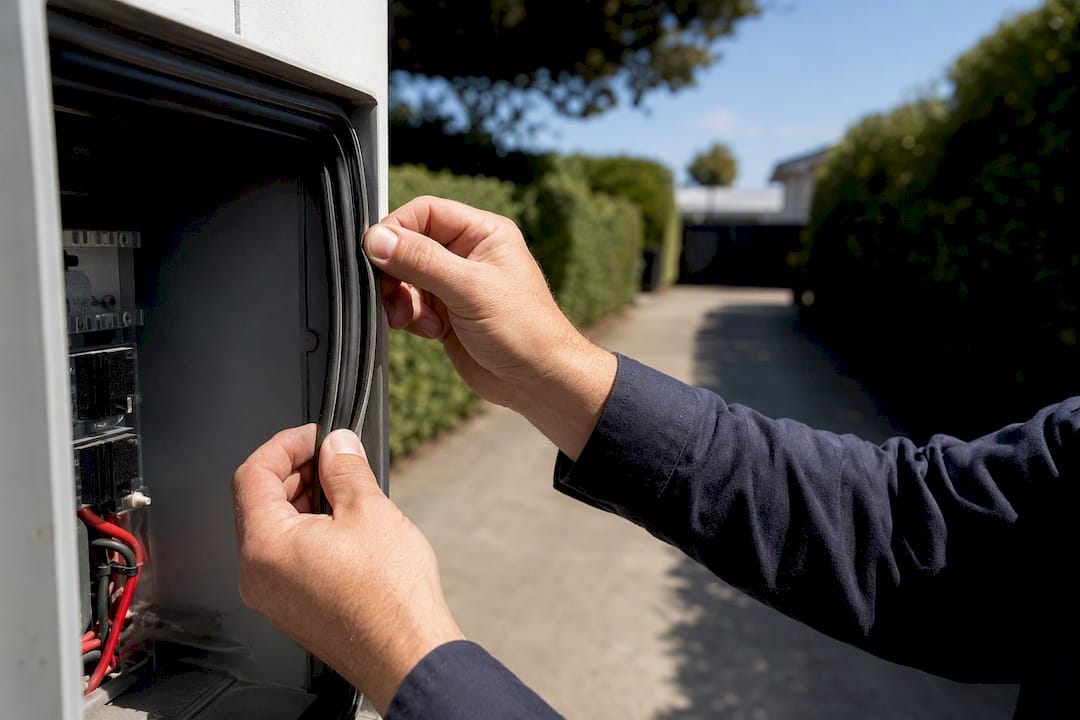
- Reseal the lid and any cable penetrations if the box has damaged or perished seals
- Add or improve drainage at the base, or raise the box slightly, if groundwater is the culprit
- Insulate cold water pipes running near the box to cut down on condensation
- Fit a properly rated weatherproof enclosure. IP ratings tell you how well an enclosure resists dust and water, and code guidance treats "damp" and "wet" locations differently, so the right enclosure depends on your specific exposure
- Consider relocating the meter entirely if the box sits in a spot that floods repeatedly
Desiccant packs can absorb minor ambient humidity but won't stop an active leak or repeated flooding, so don't rely on them as a permanent answer.
Pro Tip: Build a seasonal habit: check the box after the first heavy rain of the season and again roughly six months later. Catching a failed seal early is far cheaper than replacing a corroded switchboard.
Who pays: responsibility, documentation, and rough timelines
Responsibility usually splits at the meter itself. Utilities generally manage everything up to and including the meter, while homeowners are responsible for wiring and equipment on their side of it. That line matters because it determines who you call first and who covers the repair cost.
- Document every meter reading, photo, and timestamp, plus any calls or emails with the utility
- Diagnosis typically takes a single visit; an emergency make-safe can often happen same-day
- Permanent repairs, especially enclosure replacement or relocation, may take longer depending on parts availability
- If a utility attends and finds the fault is on your side of the meter, you may be charged a call-out fee, so get a clear scope from your electrician before assuming who's liable
Why drying isn't always enough
Water damage doesn't end when the puddle disappears. Guidance on flood and water-exposed electrical equipment is blunt on this point: equipment with electronic components, including breakers with electronic trip units, RCDs, AFCIs, and meters, generally needs replacing after water contact, not just drying out.
The reason is corrosion doesn't announce itself. Mineral deposits left behind by evaporated water can form conductive paths inside a device that look harmless but carry current where they shouldn't.
Water inflow combined with dust and poor contact points measurably raises fire risk inside switchboards, according to fire risk research on switchboard water ingress, and degraded insulation from past moisture can remain a hazard long after everything looks dry.
That's why manufacturer guidance on water-damaged gear so often lands on replacement over refurbishment for anything with electronics inside.
A field note on what we see most often
Most moisture call-outs we attend turn out to be one of two things: a perished door seal letting rain in, or condensation that's been ignored for years until corrosion set in. When you call, have your photos, your most recent meter reading, and a note on recent weather ready. That's usually enough for us to get a fair idea of what we're dealing with before we even arrive, and every job includes a safety and compliance check as standard.
Getting your meter box properly sorted
Hiring a random handyman for switchboard or meter work often means paying twice, once for a patch job, and again when a licensed electrician has to redo it to meet safety standards. High Demand Electrical is a certified Level 2 contractor, which means our electricians are qualified to work directly on the supply side of your meter, not just the wiring past it, so you're not stuck coordinating between two different trades.

Our call-out scope covers emergency make-safe work, full safety inspections with a written report, meter relocation, and switchboard upgrades where an old enclosure just isn't cutting it anymore. We also offer a free site inspection for Level 2 work, so you get a clear picture of what's needed before committing to anything. If you've found moisture in your meter box today, book an emergency make-safe call-out or contact us to arrange a safety inspection.
Frequently asked questions
Is a small amount of condensation in a meter box normal? Light condensation can occur without being an emergency, but persistent pooling, muddy water, or a box that refills quickly after emptying signals a leak or groundwater problem that needs investigating.
Can I dry out a wet meter box myself and switch it back on? No. Equipment with electronic components, including some breakers, RCDs, and meters, can remain unsafe even after drying and often needs professional assessment or replacement before reconnection.
Who pays for repairs if water gets into my meter box? It usually depends on location relative to the meter. Utilities typically handle issues up to and including the meter, while homeowners cover equipment and wiring on their side.
How quickly should I call an electrician after finding moisture? If there's any sign of sparking, burning smell, or water touching live equipment, call immediately. For minor condensation with no other signs, a same-week inspection is usually reasonable.
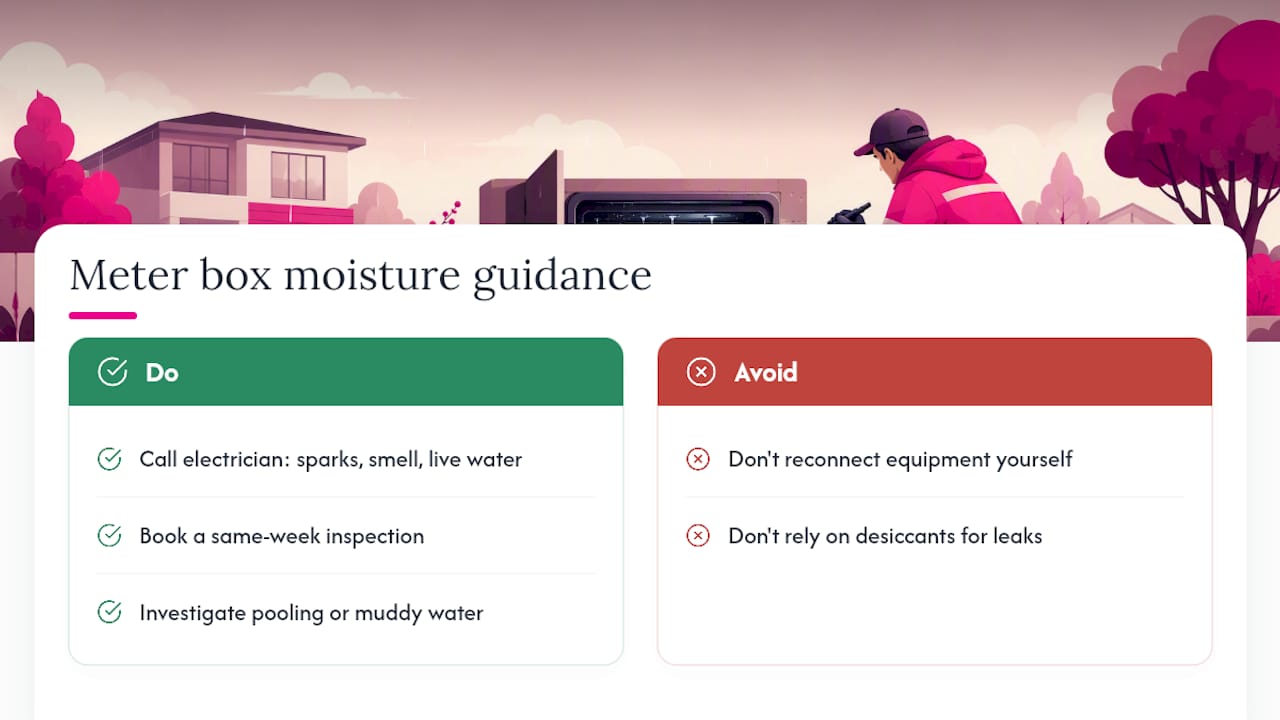
Will a desiccant pack fix moisture buildup for good? Desiccants can help with minor ambient humidity but won't solve an active leak, poor sealing, or repeated flooding. Those causes need a physical fix, not ongoing drying.
Sources
Powering Your Needs with Expertise
If you’re looking for a reliable, experienced, and prompt electrician, look no further than High Demand Electrical. We cater to all your electrical needs, from routine maintenance to emergency repairs and complete system installations. Our skilled team is committed to providing professional service that ensures your electrical systems run smoothly. Whether it's a small task or a large project, give us a call today. Let us meet all your electrical demands with the quality and reliability you deserve.