What Does a Home Recording Studio or Podcast Room Need Electrically in Sydney?
What does a home recording studio or podcast room actually need electrically? At minimum it needs a dedicated circuit that is not shared with fridges, air conditioners or dimmer switches, surge protection sized for the gear plugged into it, and lighting that will not introduce an audible hum into your recordings. Most Sydney homes built even ten or fifteen years ago were never wired with a studio in mind, so the electrical side of a build is rarely a simple matter of adding a few powerpoints.
⚡ Quick Answers: Home Recording Studio Electrical Needs
- Do I need a dedicated circuit? Yes, a separate circuit straight from the switchboard keeps interference from fridges, air conditioners and other appliances off your audio and video gear.
- Is surge protection really necessary? Audio interfaces, monitors, cameras and computers are expensive and sensitive, so a surge protection device at the switchboard is cheap insurance against a single storm event or network fault wrecking the lot.
- Does soundproofing affect the wiring? Yes, acoustic treatment and sealed walls change where cables can run and how powerpoints and switches are fitted, so the electrical plan should come before the soundproofing goes in, not after.
- Will dimmer lighting cause noise in recordings? Cheap dimmers and some LED drivers can introduce an audible buzz through nearby audio cables, so the dimming technology and circuit layout both matter.
- What if the switchboard is already full? A full or outdated switchboard is one of the most common discoveries during a studio build, and it usually needs addressing before new circuits can be added safely.
Below is a practical breakdown of what actually goes into wiring a Sydney home recording studio or podcast room properly, and why the electrical side deserves its own plan rather than an afterthought once the acoustic treatment is in.
1. Dedicated circuits keep your recordings clean
Every piece of audio gear, from a basic interface to a full mixing desk, is sensitive to electrical noise riding on the same circuit as other appliances. A fridge compressor cycling on, an air conditioner starting up or a pool pump switching over can all introduce a faint hum or buzz that a decent microphone will pick up. A dedicated circuit run straight back to the switchboard, carrying only your studio equipment, removes most of this risk at the source.
This matters even more in a podcast room, where long uninterrupted takes make an intermittent hum far more noticeable than in short music sessions. A licensed electrician can run a new circuit with its own breaker, sized correctly for the amplifiers, computers and lighting you actually use, rather than relying on whatever powerpoints happen to already be in the room.
Shared circuits are also how a power board gets overloaded in the first place, once a studio collects a desktop computer, two monitors, an interface, a webcam and a lighting rig all plugged into one double powerpoint through an extension lead. A proper power supply upgrade or additional circuit avoids that pile up entirely.
2. Surge protection matters more here than in most rooms
A home studio or podcast setup usually represents several thousand dollars of equipment concentrated into one small room, all of it sensitive electronics. AS/NZS 3000 specifically notes a home office, home theatre or computer network as the kind of space where surge protection devices are worth installing, precisely because of the concentration of sensitive gear. A single transient spike from a lightning event nearby, a network fault or even a large appliance switching off elsewhere in the house can be enough to damage an interface or a monitor that was never designed to absorb it.
A switchboard mounted surge protection device covers every circuit in the house in one installation, which is usually the more cost effective option compared with a separate surge board for every piece of gear. It also protects everything else plugged in elsewhere, not just the studio. If your home already has an older switchboard without this protection fitted, a studio build is a sensible time to add it alongside any other switchboard work, and our guide to whole house surge protection covers how the device itself works.
3. Soundproofing changes where cables can run
Acoustic treatment is not just foam on the walls. A genuinely quiet room usually involves decoupled wall linings, sealed door gaps, and sometimes a second layer of plasterboard or specialist acoustic board. All of that changes where a cable can physically be fished through a wall once the room is finished, and it is far cheaper to plan the electrical layout before the acoustic work closes the cavity than to chase a wall open afterwards.
This is the single biggest reason studio electrical work should be planned early rather than treated as an afterthought. Powerpoint positions, light switch locations, and any low voltage cabling for cameras or network gear all need to be decided and roughed in while the wall cavity is still open. Getting the sequencing wrong is the most common and most expensive mistake in a home studio build.
4. Lighting that will not interfere with your audio
Video podcasters in particular need consistent, flicker free lighting, since cheap LED panels and poorly matched dimmers can introduce both a visible flicker on camera and an audible buzz through nearby audio leads. Not every dimmer is compatible with every LED driver, and mixing the wrong combination is a common source of the faint whine some podcasters hear and cannot explain.
A trim dimmable lighting circuit, wired and specified correctly for the fittings you are using, solves this properly rather than relying on trial and error with off the shelf dimmer switches. If you already have dimmers installed elsewhere in the house and want to understand how they interact with your wiring, our guide to smart switches and dimmers explains the neutral wire requirement that catches a lot of older homes out.
5. When a studio build reveals an older switchboard needs attention
Adding even one or two new dedicated circuits is the point at which many Sydney homeowners discover their switchboard has no spare capacity left, or is still running on an old style fuse arrangement rather than modern circuit breakers. This is extremely common in homes built before the 1990s that have had rooms converted for new uses over the years without the switchboard ever being reassessed.
Rather than squeezing one more circuit breaker into an already crowded board, the safer and more future proof approach is usually a proper switchboard upgrade, which also creates room for whatever comes next, whether that is more studio equipment, a home office setup, or an electric vehicle charger down the track. An electrical safety inspection is a sensible first step if you are not sure whether your existing board can take the extra load before you commit to a full studio fit out.
Why it's Level 2 ASP work
Running a new internal circuit for your studio is standard licensed electrical work. It becomes Level 2 ASP work specifically when the switchboard itself needs its main switch upgraded, or when the consumer mains feeding the property are not rated to carry the additional load safely. Only an Accredited Service Provider is authorised to alter the consumer mains or the connection point between the network and your switchboard, which is why a studio build that uncovers an undersized or ageing board often needs a Level 2 electrician rather than a general tradesperson alone. A consumer mains installation or replacement is sometimes the real fix hiding behind what looked like a simple switchboard problem.
How High Demand Electrical helps
We treat a home studio or podcast room the same way we would any other electrical fit out: the wiring gets planned before the room is finished, not patched in afterwards. We assess your existing switchboard capacity, run dedicated circuits sized for your actual equipment, fit surge protection where it is genuinely needed, and specify lighting and dimming that will not fight with your audio gear. As one of Sydney's most trusted Level 2 ASPs, we also handle the consumer mains and switchboard side of the job directly when an older board needs replacing rather than referring that work elsewhere.
We are a licensed local team, not a call centre booking out jobs to whoever is free, servicing homes and businesses across Sydney's West, South West and Sutherland Shire. If you are mid renovation and acoustic treatment is already going in, get in touch before the walls close up so the electrical plan can be locked in while it is still easy and affordable to change.
Home Recording Studio Electrical FAQs (Sydney)
Do I need a dedicated circuit for a small podcast setup, or only a full studio?
Even a modest podcast corner with one or two microphones and a laptop benefits from its own circuit if it shares a wall with the kitchen or laundry. The cost of a single dedicated circuit is modest compared with chasing an intermittent hum after the room is finished. See power supply upgrades for how this is typically scoped.
Can I add studio circuits without upgrading my whole switchboard?
Sometimes, if there is genuine spare capacity and physical space on the existing board. In practice, many older Sydney switchboards are already close to full once you account for air conditioning, an electric vehicle charger or solar, which is why a quick capacity check is worth doing before you commit to a layout.
Will acoustic foam or soundproofing on its own fix electrical hum?
No. Acoustic treatment deals with sound reflecting around the room and sound passing through walls, but it does nothing for electrical interference picked up inside a cable or through a shared circuit. The two problems need different solutions, and both are worth addressing properly rather than assuming one will fix the other.
What is the difference between a surge protector I buy at a hardware store and one an electrician installs?
A plug in surge board only protects whatever is plugged directly into it, and a cheap one can wear out and stop protecting anything without any obvious sign. A device fitted at the switchboard by a licensed electrician protects every circuit in the house from a single point, and is tested and rated for the job rather than a budget consumer product. See whole house surge protection for more detail.
I am renting. Can I still improve the electrical setup for a home studio?
Any permanent electrical work needs the landlord's agreement, since it alters the property itself. A licensed electrician can still advise on lower impact options, such as a quality surge board and sensible equipment placement, while you discuss anything permanent like a new circuit with the owner first.
Ready to get your home studio or podcast room wired properly? Get a Switchboard Upgrade Quote or call 0402 559 777 to talk through your setup. Every job still needs a site assessment before we can confirm exact scope or pricing, since every home's existing wiring and switchboard condition is different.
Need Help Fast?
Related Services

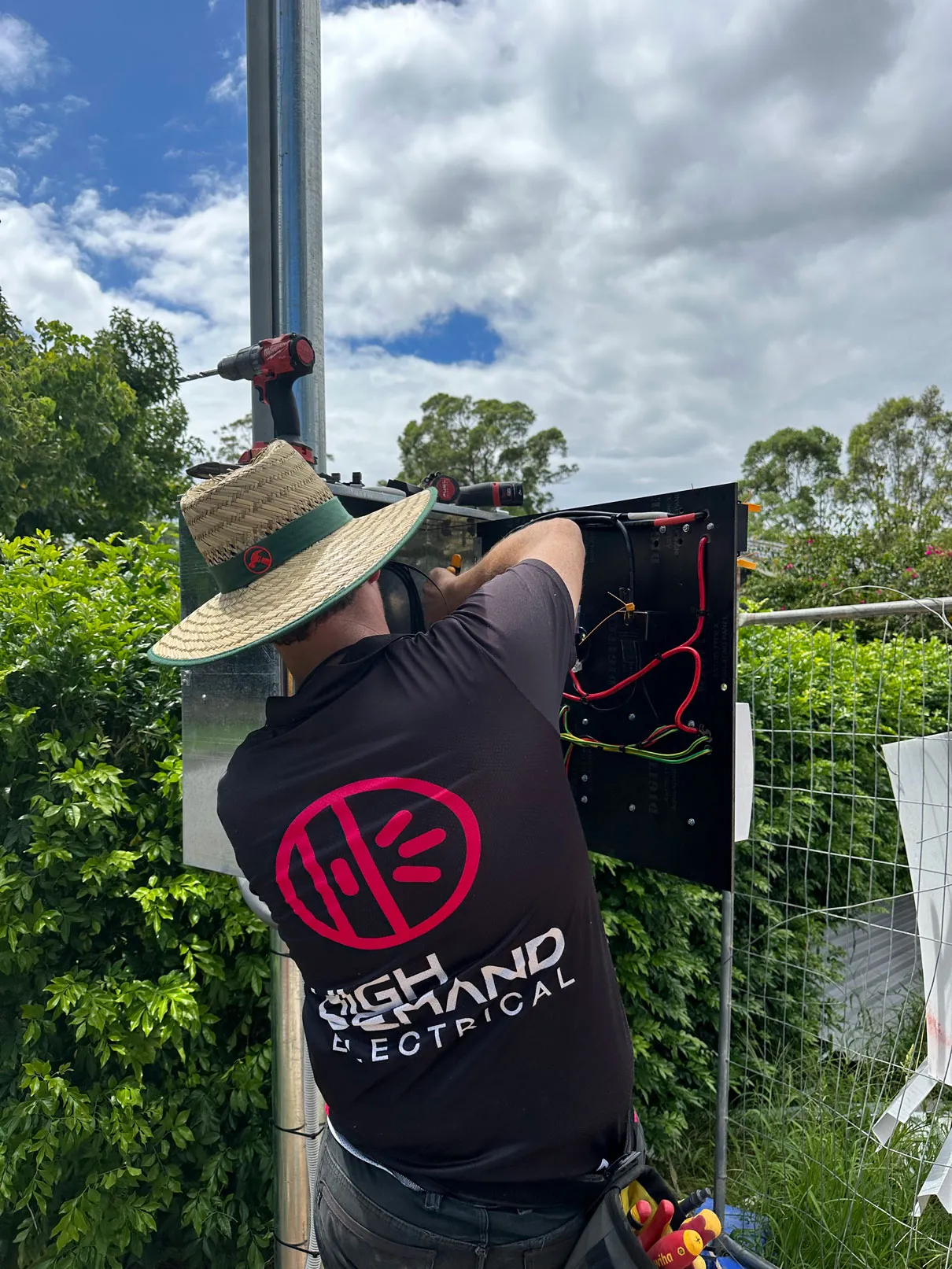

Powering Your Needs with Expertise
If you’re looking for a reliable, experienced, and prompt electrician, look no further than High Demand Electrical. We cater to all your electrical needs, from routine maintenance to emergency repairs and complete system installations. Our skilled team is committed to providing professional service that ensures your electrical systems run smoothly. Whether it's a small task or a large project, give us a call today. Let us meet all your electrical demands with the quality and reliability you deserve.

Licensed Level 2 ASP electricians across Sydney. Same-day service and 24/7 emergency response.
Licence 397193C
ABN 87 051 836 527
