
EV Charger Installation Cost Sydney: What It Costs in 2026 (and What Changes the Price)
Written by Chris · Licensed Level 2 ASP Electrician · Licence 397193C · Published 31 October 2026
Home EV charger installation in Sydney is not a fixed-price job. The charger itself is one cost, but what you actually pay depends heavily on whether your home's electrical supply and switchboard can handle the load. A 7.4kW single-phase charger draws 32A continuously; a 22kW three-phase charger draws 32A per phase. If the consumer mains or switchboard can't support that, the upgrade happens before the charger goes in, and most online quotes don't mention that at all.
In this guide
What follows are realistic price ranges for EV charger installation cost in Sydney, an explanation of what moves that number up or down, and clarification of when a Level 2 Accredited Service Provider (ASP) is required alongside the electrician. Read this before you call anyone for a quote.
EV Charger Installation Cost Sydney: Types and What They Draw
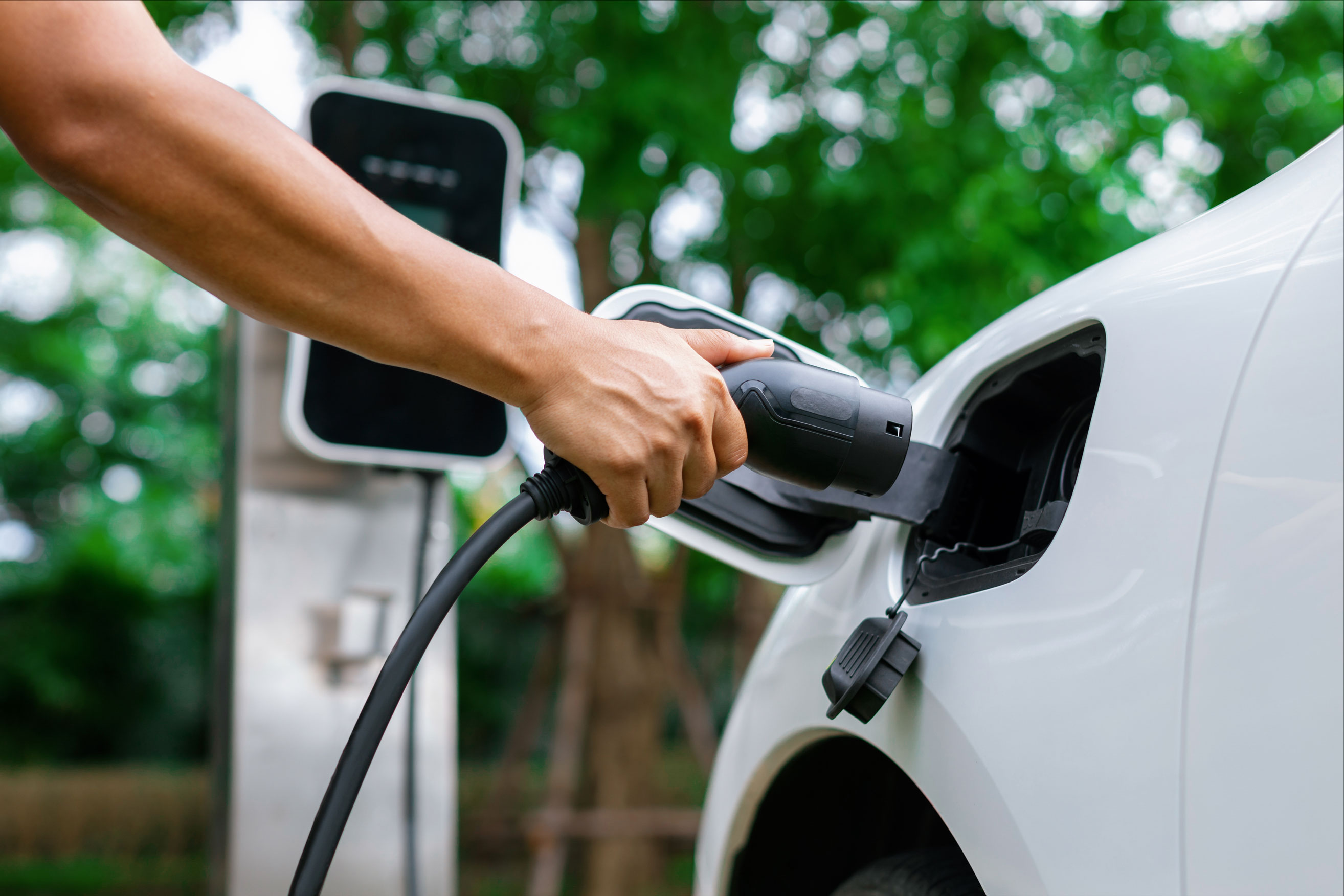
Single-phase AC charger (7.4kW) is the most common home charger in Australia. It draws 32A on a single-phase supply and adds roughly 40–50km of range per hour of charging. Most Sydney homes on a standard 63A single-phase connection can support one without any supply upgrade.
Three-phase AC charger (22kW) draws 32A across three phases and adds roughly 100–120km of range per hour. It requires a three-phase supply at the property, and not all Sydney homes have one. Before specifying a three-phase charger, verify your vehicle's maximum AC charge rate. Most Australian EVs charge at 7.4kW or less on AC regardless of what the charger supports.
EV charger installation cost ranges in Sydney (2026)

Single-phase EV charger installation — existing supply adequate
Where your home already has a 63A single-phase supply and an existing switchboard with a spare circuit position, the scope is straightforward: a dedicated wall charger installed on its own 32A circuit from the switchboard to the garage or carport, installation of the charging unit, and commissioning. This doesn't require a Level 2 ASP. The electrical wiring work for home EV charger installation must be done by a licensed electrician when the supply and board are suitable.
Typical range: $800–$1,800, depending on cable run length, switchboard capacity, and the charger model you've chosen. A short run in a new home, with the charger mounted close to the switchboard, sits at the lower end; if the car space is farther away, costs rise. Longer conduit runs through a roof space or under a slab push costs toward the top.
Single-phase EV charger installation — consumer mains upgrade needed
This is the scenario most online quotes skip, and it's the most common complication in Sydney's older suburbs. Homes built before 1980 are often on a 32A or 40A single-phase supply. That's undersized for a 7.4kW EV charger drawing 32A continuously, and the existing board may also lack the capacity or protection needed for the new charger circuit, so the consumer mains must be upgraded to 63A first. A standard electrician can't do this work. It requires Ausgrid approval and a Level 2 ASP.
Consumer mains upgrade cost: typically $2,500–$5,000, depending on cable run length and whether the point of attachment bracket needs replacing. HD Electrical's consumer mains upgrade pricing starts from $2,490.
Total cost (mains upgrade plus EV charger installation): typically $3,500–$6,500. In some homes, switchboard upgrades may also be required and should be scoped separately if identified. Because HD Electrical holds a Level 2 ASP licence (licence 397193C), both scopes can be handled in a single engagement rather than coordinating between two separate contractors.
If you're not sure what your current supply capacity is, confirm that available supply first so you can choose the right charger. The article on how to assess switchboard capacity before adding an EV charger walks through the checks in detail.
Three-phase EV charger installation
If your property is currently on single-phase and you want a three-phase EV charger, your home's supply phase determines whether that upgrade is even practical: an Ausgrid application for a three-phase service connection, new three-phase consumer mains, an upgraded switchboard, and the charger installation itself. The final cost depends largely on how far the Ausgrid three-phase network is from your property and whether any civil works are needed to reach your switchboard.
Typical range: $5,000–$12,000+. This is full Level 2 ASP scope. The article on getting three-phase power at home in Sydney covers the application process and what to expect from Ausgrid. But not all Sydney homes have one; most instead have single phase power, which limits the available charger size and charging speed.
EV charger installation in apartment buildings (strata)
Apartment owners in an apartment or strata building face a different set of approval and infrastructure hurdles. The building's common switchboard must be assessed for headroom before any charger goes in. Sub-metering is required so each resident's EV charging usage is billed separately rather than absorbed into the building's common power account. On top of that, strata committee approval is typically needed before work can begin, especially if the cable route to the car space crosses common property.
Cost varies widely depending on the building's existing infrastructure and whether multiple bays are being fitted at the same time, which significantly reduces the per-bay cost of sub-metering. There's no single reliable range for strata installs without a site assessment, and a site visit is usually needed before quoting because shared infrastructure and access conditions vary widely.
What drives the cost up or down?
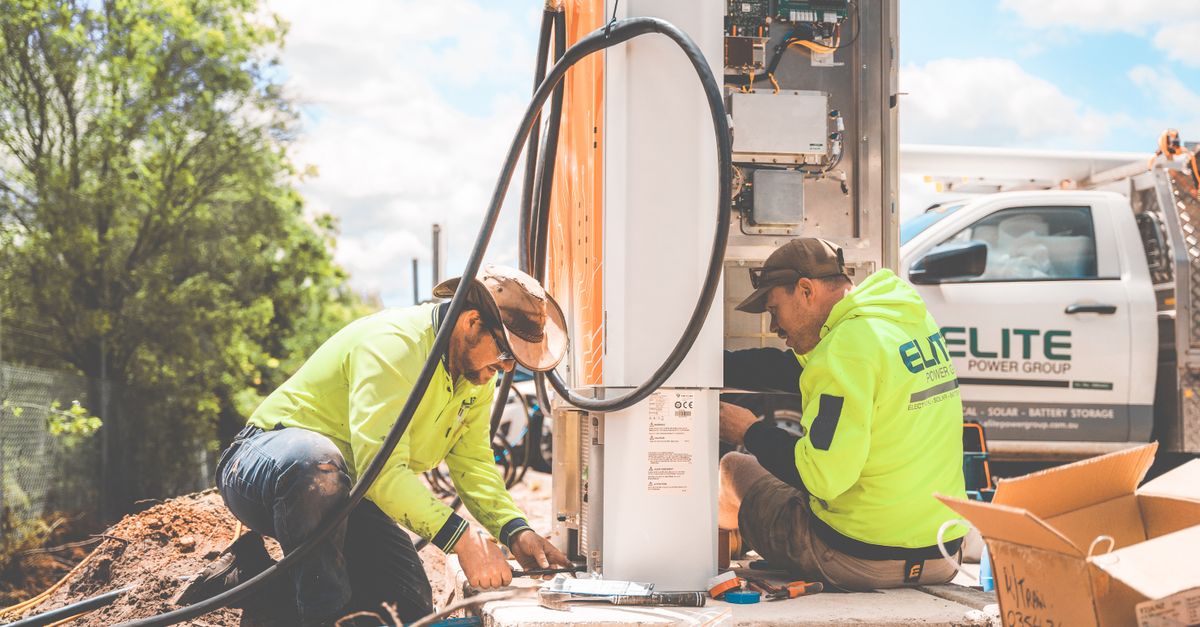
Consumer mains capacity, the single biggest variable. Homes on an undersized supply need a mains upgrade before the charger can go in, adding $2,500–$5,000 to the total.
Single-phase vs three-phase, if you need a three-phase supply brought in, expect the full cost to be significantly higher than a single-phase upgrade, and even the same charger can cost very different amounts to install depending on the property layout and electrical constraints.
Cable run distance, the further the switchboard is from where you want the charger, the more conduit and cable is needed. A charger in a basement car park under a multi-storey home costs more to wire than one in an adjacent garage, and a detached garage can push costs higher again if longer runs, trenching, or more complex routing are required.
Switchboard age and condition, older switchboards may need a new circuit breaker, additional space, or in some cases a full replacement before a dedicated EV circuit can be added. ceramic fuses and missing RCD protection are common reasons older boards need modification or replacement, and an asbestos meter panel, for instance, must be dealt with before any new work proceeds.
Charger model, the hardware itself varies in price. The charger brand, as well as features like app control and solar integration, can also affect both the hardware price and setup cost.
Strata or apartment building, sub-metering, common property approvals, and coordinating with building management all add time and cost.
Point of attachment condition, if the service entry point is damaged or non-compliant, it may need replacing as part of a mains upgrade, which adds to the Level 2 scope.
Why a Level 2 ASP matters for EV charger installations

Licensed NSW electricians can install the EV charger circuit when the existing supply is adequate. The catch is that a large proportion of Sydney homes, particularly those built before 1980, are on undersized consumer mains that can't sustain a 32A EV circuit running continuously. A general electrician can identify this problem. They can't fix it. Fixing it requires Ausgrid approval and a Level 2 ASP to carry out the work on the consumer mains.
In practice, this means you get a quote for the charger, the electrician arrives, discovers the mains are undersized, and the job stops. The EV charger install is then delayed because the original quote did not scope the full electrical work. You then need to find a Level 2 ASP, wait for a new quote, apply to Ausgrid, and book a second visit before the charger can be completed.
HD Electrical operates as a Level 2 ASP (licence 397193C), so the mains assessment, Ausgrid application, mains upgrade, and charger installation can all be scoped and completed as a full installation, with any required variations priced upfront before you decide. That's the practical difference between using a general electrician and using a Level 2 ASP for this type of job.
For the technical side, the article on what AS/NZS 3000 requires for your Sydney EV charger circuit covers the wiring obligations in detail. If you're thinking ahead to solar, battery storage, or multiple EVs, future-proofing your home for electric vehicles with a panel plan is worth reading first.
Getting a useful quote
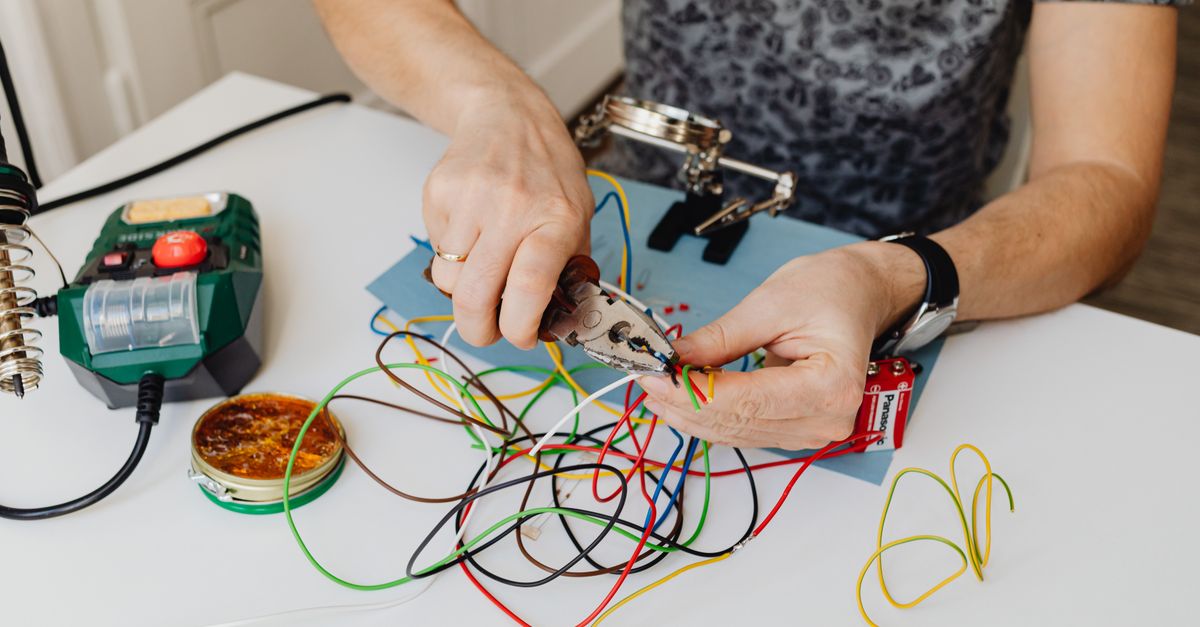
A quote that covers the full home EV charger job, not just charger installation in isolation, is more useful; without first checking consumer mains capacity and switchboard condition, it is still incomplete. Before accepting any price, confirm the following:
Has the consumer mains size been checked, or is the quote conditional on the existing supply being adequate?
Does the existing switchboard have room and suitable safety protection for a dedicated EV circuit?
If a mains upgrade is needed, can the same contractor do it, or will you need to source a Level 2 ASP separately?
If issues are found, does the quote include any switchboard upgrades, electrical work, and a compliant installation?
What is the Ausgrid application lead time if a supply upgrade is required?
Does the charger hardware include a specific charging station model or wall charger, or is it quoted separately?
If you want a quote that covers the full scope, supply assessment, mains upgrade if needed, and charger installation, contact HD Electrical through the contact page.
Frequently asked questions
What is the typical cost of EV charger installation in Sydney?
For a standard installation on a suitable single-phase home with a straightforward installation and adequate existing supply, expect $800–$1,800. If a consumer mains upgrade is also needed, the total typically falls between $3,500 and $6,500. A full three-phase connection plus charger can reach $5,000–$12,000 or more depending on site conditions. In practice, home charging is usually cheaper and more convenient than public charging, especially if you can use off-peak rates or solar power.
Do I need a Level 2 electrician to install an EV charger?
Not always. An EV charger installer must be a licensed electrician for the charger circuit, and a Level 2 ASP is needed where the supply itself must be altered. In New South Wales, this is regulated electrical work and the job should include the required compliance documentation when completed. If the consumer mains need upgrading to support the charger, that work requires Ausgrid approval and a Level 2 ASP. A general electrician cannot carry it out.
How do I know if my home needs a consumer mains upgrade before getting an EV charger?
If your home was built before 1980, there's a reasonable chance it's on a 32A or 40A single-phase supply, which is undersized for a 7.4kW EV charger drawing 32A continuously. Before any work begins, a licensed electrician or Level 2 ASP should assess the home’s electrical supply, the existing switchboard, and major loads. Heavy loads such as air conditioning can affect whether the charger can run at full output without load management.
Can I install a 22kW three-phase EV charger at home in Sydney?
Yes, but only if your property has a three-phase supply or you have one connected. Bringing in a three-phase service requires an Ausgrid application and is full Level 2 ASP scope work, with total costs typically ranging from $5,000 to $12,000 or more. Also verify your vehicle's maximum AC charge rate. Most Australian EVs cap out at 7.4kW on AC regardless of charger output.
How much does an EV charger installation cost in a strata apartment?
There's no reliable fixed range for strata installs. The building's common switchboard must be assessed, sub-metering is required, and strata committee approval is typically needed, all before installation begins. Costs depend heavily on the building's existing infrastructure and whether multiple bays are being done at once.
What is the difference between the charger cost and the installation cost?
The charger unit is the hardware cost and varies by charger brand and model, including options such as a tesla wall connector. The installation cost covers the dedicated circuit, cabling, switchboard work, commissioning, wall connector setup, and any required protection, board changes, or supply upgrade. Some quotes bundle both; others quote them separately. Always confirm what's included. Ask for quotes to separate charger hardware from installation so you can compare the same charger across different homes fairly.
The High Demand Electrical teamHigh Demand Electrical publishes what it learns from the work itself.
Need Help Fast?
Related Services

Powering Your Needs with Expertise
If you’re looking for a reliable, experienced, and prompt electrician, look no further than High Demand Electrical. We cater to all your electrical needs, from routine maintenance to emergency repairs and complete system installations. Our skilled team is committed to providing professional service that ensures your electrical systems run smoothly. Whether it's a small task or a large project, give us a call today. Let us meet all your electrical demands with the quality and reliability you deserve.

