What Is a Catch Power Relay and How Does It Cut Your Hot Water Bill?
What is a Catch Power relay? A Catch Power relay, also sold as the Catch Power Solar Relay or the multi channel Catch Control unit, is a small device wired into your switchboard that senses when your solar panels are producing more power than your home is using and redirects that spare power into your electric hot water system instead of exporting it to the grid for a low feed in tariff. Fitted properly by a licensed electrician, it can heat a full tank of hot water largely free on a sunny day, using power you would otherwise be selling back for a few cents a kilowatt hour.
⚡ Quick Answers: Catch Power Relays
- What does a Catch Power relay actually do? It monitors your solar export in real time and switches your electric hot water element on whenever there is spare solar power, so the tank heats from sunshine instead of the grid.
- Do I need solar panels already? Yes. A Catch Power relay only has something to divert when your system is exporting more than the house is using, so it is fitted alongside an existing rooftop solar system, not instead of one.
- Can it replace controlled load or off peak hot water? It can, but the hot water system usually needs to be moved off the controlled load tariff and onto continuous supply first, since a diverter needs to switch the element whenever solar is available, not only in a fixed off peak window.
- Is this a DIY job? No. The relay is wired into the switchboard, the hot water circuit and a current sensor on your meter or solar inverter cabling, all of which is licensed electrical work under AS/NZS 3000.
- Which units does High Demand Electrical install? We install and configure Catch Power's Green Catch, Catch Control and the newer multi channel Catch Control units, including jobs where the customer already owns the diverter and wants a licensed electrician to wire it in.
- Does it work with a home battery? It can, but the diverter and the battery's own controller both want to use the same spare solar power, so the system needs to be configured (usually with the multi channel Catch Control) to prioritise correctly rather than fight each other.
How a Catch Power Relay Actually Works
A current transformer, a small clip on sensor, sits on your meter or main switchboard cabling and constantly measures whether your home is exporting power to the grid. When it detects spare solar, the relay switches a contactor that sends that power to your electric hot water element instead. Most units run a soft start or proportional control so the element only draws as much power as is genuinely being exported, rather than switching the full element on and off in one go and pulling grid power to top it up.
The result is a hot water system that runs almost entirely on daytime sun on a good solar day, and simply reverts to its normal grid supply overnight or on overcast days when there is nothing spare to divert.
Catch Power Solar Relay vs Catch Control: What Is the Difference
Catch Power's original Green Catch and Solar Relay units are single channel, built to divert to one load, almost always the hot water system. The newer Catch Control range extends this to multiple channels, so a single unit can prioritise hot water first, then send any remaining spare solar to a pool pump, an EV charger or a home battery, in whatever order suits the household. If you already have a diverter and are adding a second big solar load such as an EV charger or a battery later, a multi channel Catch Control unit is usually the better long term choice over adding a second single channel relay.
Why Hot Water Is the Best Appliance to Solar Divert
Hot water is the one household load that can genuinely absorb hours of spare solar without you noticing. A 250 litre electric tank stores heat for later use, so it does not matter that the sun is only diverting power during the middle of the day. Compare that to a pool pump or an air conditioner, which only benefit from solar while they are actually running. For most Sydney homes an electric hot water system is also one of the largest single loads on the bill, so shifting even a few kilowatt hours a day from the grid to free solar adds up fast over a year.
Moving Your Hot Water Off Controlled Load First
Most Sydney homes with electric hot water still have it wired to a separate controlled load or off peak circuit and metered under a dedicated tariff through Ausgrid, Endeavour Energy or Essential Energy. That tariff only supplies power during set overnight or off peak windows, which is exactly the wrong schedule for a solar diverter that needs to switch the element on whenever the sun is out. Before a Catch Power relay can do its job properly, the hot water system usually needs to be rewired from the controlled load circuit onto continuous (main) supply, and the change reported to your distributor.
This is straightforward work for a licensed electrician but it does involve your network connection, so it is worth checking which distributor services your address and confirming your current tariff before booking the job. You can check your network area in seconds with our postcode checker to confirm whether you are on Ausgrid, Endeavour Energy or Essential Energy before the appointment.
See our guide to what controlled load actually means in NSW and how off peak electricity times work if you are not sure whether your hot water is already on controlled load.
What the Installation Actually Involves
A typical Catch Power installation on an existing solar system involves five things: confirming the hot water element and thermostat can handle the diverter's switching pattern, moving the circuit off controlled load onto continuous supply where needed, installing the relay and contactor in or near the switchboard, fitting the current sensor to the correct cabling (usually at the meter or the solar inverter's output), and configuring the unit's settings (boost timers, priority channels, and a manual override switch) to suit the household. On some jobs the existing hot water wiring and isolator are reused; on others, particularly older switchboards, a new circuit or an upgraded isolator is needed to safely accommodate the extra switching.
Because the sensor placement and calibration genuinely affect how well the diverter performs, this is not a plug and play accessory. An incorrectly placed sensor will either under divert (leaving spare solar exported for a few cents) or over divert (pulling grid power into the tank when there was no spare solar to begin with).
Why This Is Licensed Electrical Work
Wiring a relay into your switchboard, into the hot water circuit and, in most cases, changing a controlled load connection to continuous supply, is all work covered by AS/NZS 3000 and needs to be carried out and certified by a licensed electrician. High Demand Electrical holds EC Licence 397193C and Level 2 ASP accreditation, which matters here because moving a circuit off controlled load and back onto main supply is a change to how your property connects to the network, not just an internal rewire, and it needs to be done and reported correctly so your distributor's records match what is actually installed.
Catch Power With a Home Battery or an EV Charger
A growing number of the jobs we see are not simple, single appliance diverter installs. Homes that added a battery after their Catch Power relay was already running sometimes find the battery's own controller and the diverter are both trying to claim the same spare solar power, and the hot water system ends up drawing power it should not. The fix is usually reconfiguring the setup, and in some cases stepping up from a single channel relay to a multi channel Catch Control unit, so hot water, the battery and any other load (a pool, a ducted air conditioner, an EV charger) are prioritised in the right order rather than competing for the same kilowatts.
The same logic applies to EV charging. A solar only or dynamic load balancing EV charger setup needs its own compatible smart meter, separate from the diverter's sensor, so the charger and the hot water system are not reading the same signal and fighting over it. If you are planning an EV charger as well as a diverter, it is worth having both scoped together rather than adding one, then the other, months apart.
Suburb Case Study: Canley Vale
Problem: A homeowner in Canley Vale NSW 2166 came to us wanting a Catch Power solar relay fitted so her electric hot water system could run on spare solar instead of the grid. On site, our technicians found the existing switchboard had no spare room to physically fit the relay and its contactor.
Work Completed: Rather than leave the job half done, we relocated her hot water system from the controlled load circuit onto the main circuit and installed a new 24 hour timer on the existing switch, giving her control over when the system heats without needing the extra switchboard space a diverter would require.
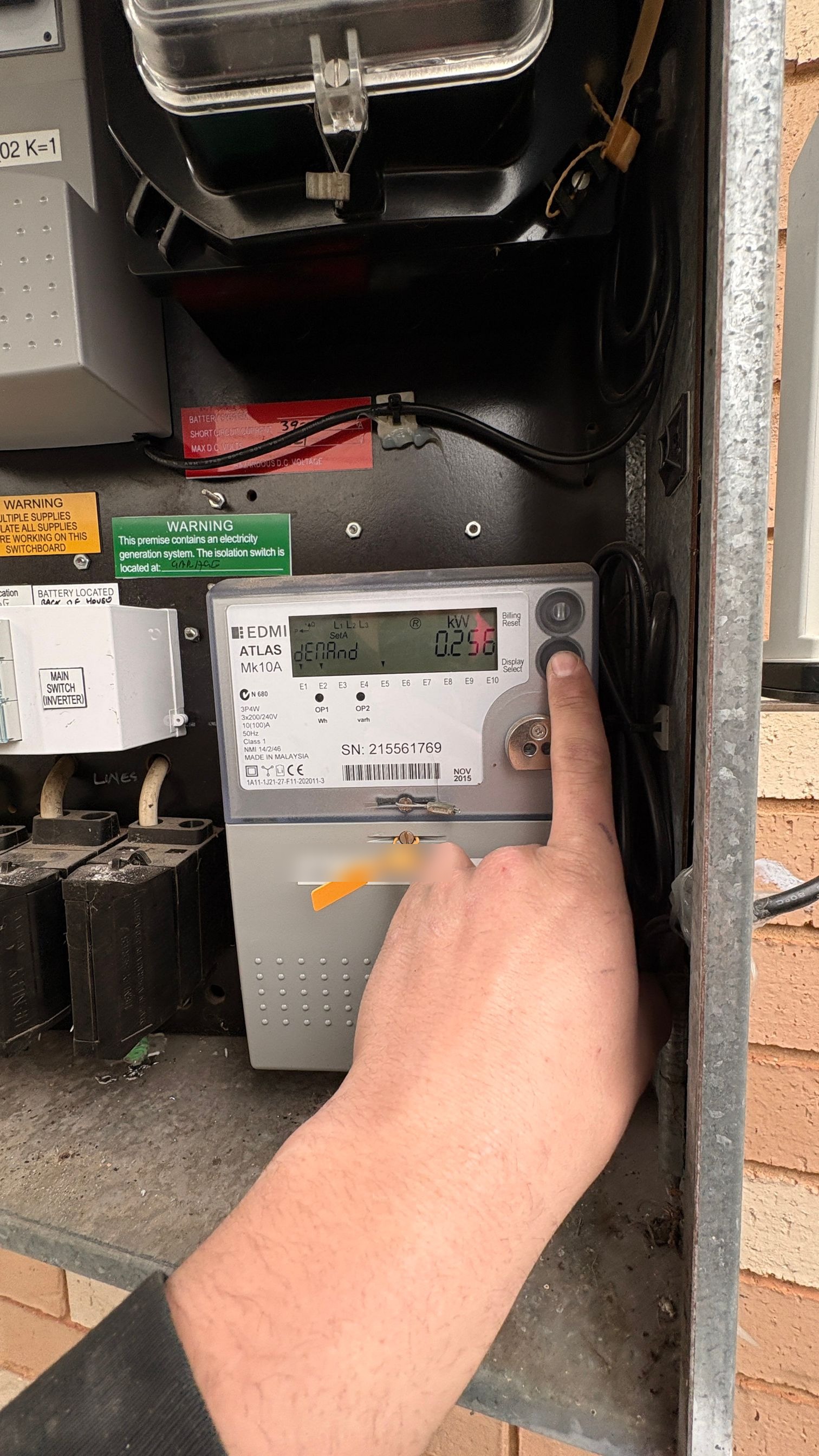
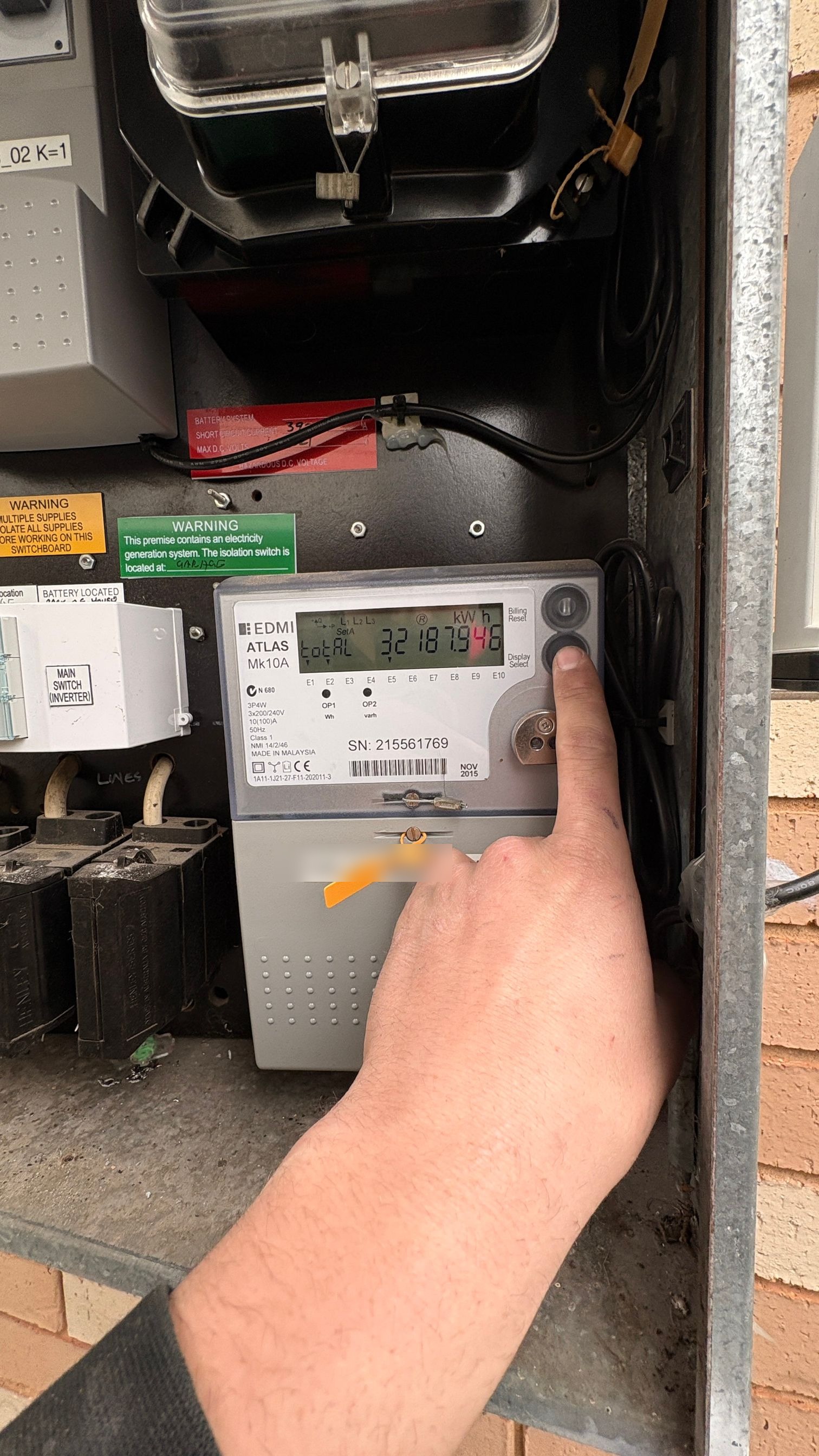
Result: Hot water now runs on a simple, manually adjustable timer instead of the old fixed off peak window, and the switchboard has been assessed for what it would take to fit a Catch Power relay down the track if she upgrades or frees up space. Not every home can fit a diverter on the first visit, and being upfront about that, with a genuinely useful fallback, is part of doing the job properly.
How High Demand Electrical Helps
High Demand Electrical is a licensed local team, not a call centre, and one of Sydney's more experienced installers when it comes to combining solar diversion, controlled load changes and switchboard capacity in the one visit. We assess your existing switchboard, hot water element and solar system on site, confirm whether your hot water needs to move off controlled load first, and install and configure the Catch Power unit so it is actually diverting correctly, not just switched on. If you already own a Catch Power or Catch Control unit and just need a licensed electrician to wire it in and get the settings right, that is a job we do regularly. We service homes across Sydney's West, South West, Inner West and Sutherland Shire, so if you are searching for a solar diverter installer near you, we are typically a short drive from most of Sydney's inner and western suburbs.
Related work we often pair with a diverter install includes a sub board check where the hot water circuit is on a separate board, and a broader look at switchboard upgrades where the existing board does not have room for the extra isolator and contactor.
Catch Power Relay FAQs (Sydney)
Do I need a new hot water system to install a Catch Power relay?
No. Most installs reuse your existing electric storage hot water system. The diverter changes how the element is powered, not the tank itself. See our heat pump versus gas versus solar hot water comparison if you are also weighing up a system upgrade at the same time.
Will a Catch Power relay work with a heat pump hot water system?
Generally no. Heat pumps use a compressor rather than a simple resistive element, and most are not designed to be cycled on and off by a diverter the way a standard electric element is. A diverter is best suited to a conventional electric storage or continuous flow element.
How long does installation take?
A straightforward install on an existing solar system with the hot water already on continuous supply is usually a half day job. Add time if the hot water needs to be moved off controlled load or if switchboard capacity work is required first.
Is a Catch Power relay worth it if I do not export much solar?
If your solar system is undersized for the household or mostly self consumed already, there may be little spare export left to divert. We can check your export pattern during a site assessment before recommending the job. See our free electrical tools and calculators for a starting point on sizing.
Can High Demand Electrical also install the EV charger and smart meter at the same time?
Yes. We regularly scope a Catch Power relay, an EV charger and a compatible smart meter for solar only or dynamic load balancing charging as one job, since they often share switchboard space and, in some setups, need to be configured so they are not reading the same signal.
Get a Catch Power Solar Relay Quote
If you want your hot water running on free solar power instead of a low feed in tariff, get a quote through our switchboard upgrades page or call 0402 559 777. Every job needs a short site assessment of your switchboard, hot water circuit and solar export before we can confirm scope and pricing, since every home's wiring and tariff setup is a little different.
Powering Your Needs with Expertise
If you’re looking for a reliable, experienced, and prompt electrician, look no further than High Demand Electrical. We cater to all your electrical needs, from routine maintenance to emergency repairs and complete system installations. Our skilled team is committed to providing professional service that ensures your electrical systems run smoothly. Whether it's a small task or a large project, give us a call today. Let us meet all your electrical demands with the quality and reliability you deserve.