Power Poles: What Homeowners and Property Managers Need to Know
That wooden pole standing in your backyard might seem like a simple fixture, but it carries far more responsibility than most homeowners realise. Private power poles are subject to strict regulations, ongoing maintenance obligations, and potential safety risks that can catch property owners completely off guard.
Whether you have just purchased a property with an existing pole, noticed some worrying signs of wear, or simply want to stay on top of your legal obligations, understanding how power poles work in NSW is essential knowledge. The rules governing these structures involve national standards like AS/NZS 3000 and AS/NZS 7000, state legislation, and distribution network requirements from providers like Ausgrid, Endeavour Energy, and Essential Energy.
This guide breaks down everything beginners need to know, covering who actually owns and is responsible for your pole, what NSW regulations require, how to spot warning signs, and what steps to take in an emergency. You will also learn why hiring the right qualified professional matters more than you might think. By the end, you will have a clear, practical roadmap for managing your power pole with confidence.
Who Actually Owns That Pole?
Most homeowners are surprised to learn they own a power pole at all. The distinction between a network pole and a private pole is rarely explained when a property changes hands, yet it carries real legal and financial consequences.
Here is how the split works:
Network poles are owned and maintained by your local distributor, either Ausgrid, Endeavour Energy, or Essential Energy. The distributor is responsible for everything up to the point of connection at your property boundary.
Private poles sit on your land or run from the street to your property. The moment you take ownership of the land, that pole becomes your asset and your responsibility, regardless of whether anyone told you so at settlement.
If your property is part of a strata scheme or managed complex, poles on common property are generally considered the responsibility of the owners corporation or property manager, though you should confirm this with your strata manager or legal adviser. This liability is frequently absent from maintenance budgets until a pole fails or an insurer raises it during a claim.
The practical boundary rule is straightforward: everything on the network side of your supply connection point belongs to the distributor; everything beyond it belongs to you.
If you are unsure which side your pole sits on, contact your local distributor directly and request a supply point confirmation. HDE works across all three networks, Ausgrid, Endeavour Energy and Essential Energy, and can help identify ownership as part of an initial site assessment if the answer is not immediately clear.
What NSW Regulations Actually Require
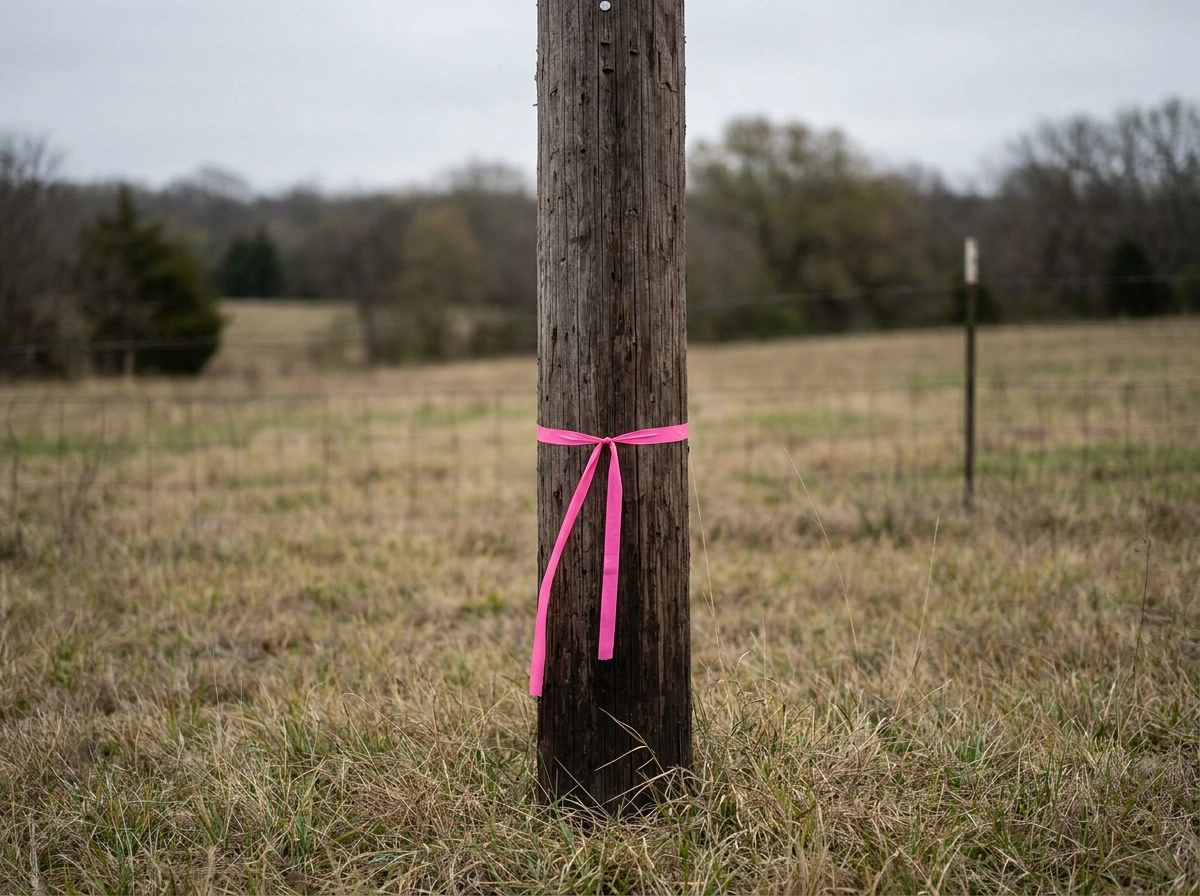
Once you know the pole is yours, the next question is what the law actually requires you to do with it. Four instruments set the framework in NSW.
AS/NZS 3000 (the Wiring Rules) governs the design, construction, and verification of all electrical installations in Australia. Private power poles and their associated wiring fall squarely within its scope, meaning the installation must meet minimum design standards and be verified as compliant.
AS/NZS 7000 applies specifically to overhead line design and covers aspects such as structural and conductor requirements for overhead infrastructure. Confirm with your Level 2 ASP how it applies to your specific installation. If your pole was installed without reference to this standard, it may not be structurally rated for the loads it is carrying.
The Gas and Electricity (Consumer Safety) Act 2017 (NSW) and associated regulations place obligations on participants in the gas and electricity supply chain; property owners should obtain specific legal advice on how these obligations apply to their private pole.
The Work Health and Safety Regulation 2017 (NSW) adds a further layer for landlords, businesses, and strata managers. Where workers or members of the public are near electrical infrastructure on your property, you carry additional obligations to identify and control that risk. Our services we offer include compliance assessments specifically for strata and commercial properties.
Non-compliance has practical consequences beyond safety. Council inspections, insurance disputes, and property transactions can all expose a non-compliant or uninspected pole at the worst possible moment. The trusted licensed electricians in Sydney NSW at HDE can assess whether your pole meets current standards before that happens.
Signs Your Pole Needs Attention
Knowing the regulations is only useful if you can recognise a problem in the first place. Here are six warning signs that your pole needs professional attention.
Rot or soft spots at ground level. Ground-level decay is a leading cause of timber pole failure. Once a year, press a screwdriver firmly into the base and just below the soil line. If the wood compresses noticeably, a recognised indicator of significant decay, the pole has lost structural integrity and requires professional assessment.
A noticeable lean. A pole that has shifted more than a few degrees from vertical, particularly after rain or high winds, indicates a compromised footing. A leaning pole is no longer rated to carry the conductor load safely and needs assessment immediately.
Cracking, splitting, or splintering. Longitudinal cracks along the pole's body reduce its load-bearing capacity and let moisture penetrate the timber. This deterioration accelerates in coastal and semi-rural NSW environments where humidity and salt air are persistent factors.
Sagging or swaying overhead conductors. If the wires attached to your pole are visibly sagging or moving in light wind, the pole may no longer be maintaining correct conductor tension. This is both a safety hazard and a potential network compliance issue.
Age. Timber poles have a design life of roughly 30 to 40 years depending on species and preservative treatment. If your pole predates the early 2000s, a formal condition inspection is overdue regardless of how it looks on the surface.
Burn marks or discolouration near the top. Scorching or dark staining around conductor attachment points suggests arcing or insulation breakdown. This warrants urgent professional assessment, not a watch-and-wait approach.
Ausgrid, Endeavour Energy, or Essential Energy: Does It Matter?
Once you know your pole needs attention, the next practical question is: who do you actually deal with to get the work approved and completed?
In NSW, three distributors divide the state between them. Ausgrid and Endeavour Energy serve urban and semi-urban regions across Sydney and surrounds; check your electricity bill or use your distributor's online network-area tool to confirm which network serves your property. Essential Energy covers regional and rural NSW. Your distributor determines which application forms, approval processes, and inspection requirements apply to your job, so confirming which network serves your property is the first practical step before any work is scoped or quoted.
This matters more than most owners realise. Each distributor runs its own disconnection and reconnection approval process, with its own forms and internal timeframes. Straightforward jobs can move through in a few business days; complex work on busier networks can take several weeks. Submitting the wrong forms, or incomplete information, resets that clock entirely.
A Level 2 ASP accredited with all three NSW distributors can lodge the correct applications from the outset and liaise directly with each distributor's field teams, which is where delays most commonly occur.
One point that surprises many owners: reporting a hazardous pole to your distributor does not shift responsibility to them. The network will note the report, but engaging a qualified contractor to carry out the repair or replacement remains entirely the owner's obligation.
Repair, Replace, or Go Underground? A Decision Framework
The right course of action for your pole depends on its condition, your plans for the property, and how you weigh short-term cost against long-term risk.
Repair is worth considering when a formal condition assessment confirms the pole retains structural integrity. Re-staying a leaning pole with ground anchors, for example, can extend service life at lower upfront cost. But repairs only make sense when the assessment supports them; skipping that step first is false economy.
Full replacement is the right call when rot depth exceeds structural thresholds, when the pole has reached end of design life (typically 30 to 40 years for treated timber), or when a renovation or subdivision requires a different conductor configuration. If any of those conditions apply, repair is not a viable alternative.
Underground mains conversion eliminates the pole entirely. It removes ongoing maintenance liability, improves streetscape and property aesthetics, and significantly reduces the risk of storm-related supply disruption. If a pole already needs replacement and the property sits in an area prone to falling trees or severe weather, conversion is frequently the stronger financial decision over the asset's lifetime, not just a premium option.
Timing also intersects with planning approvals. If electrical upgrades are required as part of a subdivision or DA process, coordinating both scopes under one contractor avoids scheduling gaps.
Network approval lead times vary by distributor and can add weeks to a project. Engaging a Level 2 ASP for an assessment early, before DA lodgement or construction start, is the most reliable way to protect your timeline. A contractor offering complementary Level 2 ASP services can scope the full picture in one visit.
What to Do When a Storm or Emergency Damages Your Pole
Planning decisions aside, storm damage does not wait for a convenient moment. Here is what to do if a pole on your property is damaged.
Treat any fallen or severely leaning pole as a live hazard. Keep everyone, including neighbours and bystanders, a safe distance clear, do not approach downed conductors. If there is immediate danger to life, call 000 first.
Call your network distributor's faults and emergencies line (details on their websites and your electricity bill). They will send a crew to make the network connection safe. They will not, however, repair or replace your private pole; that remains your responsibility as the owner.
Document everything before any work starts. Photograph and video the pole, conductors, and surrounding damage from multiple angles. Insurers routinely require pre-repair evidence for storm damage claims, and missing documentation is one of the most common reasons claims are disputed or reduced.
Engage a Level 2 ASP for an emergency make-safe. A Level 2 ASP can safely isolate the pole from the network and secure the site, stopping the hazard from escalating while a full repair or replacement scope is prepared and approved.
Check your insurance policy now, not after the storm. Coverage for private electrical infrastructure varies significantly between policies, check your specific policy wording with your insurer.
Be prepared for delays after widespread storm events. When multiple properties are affected simultaneously, distributor response queues grow. Having a Level 2 ASP already engaged means reconnection can proceed as soon as network capacity allows, rather than waiting to source a contractor from scratch.
Why You Need a Level 2 ASP, Not Just an Electrician
Whether you're dealing with storm damage or a routine replacement, who you hire matters legally, not just practically.
A standard licensed electrician cannot connect, disconnect, or perform any work on the network side of your supply. That restriction is set by NSW law. Only contractors holding Level 2 Accredited Service Provider (ASP) accreditation are legally authorised to perform those tasks.
What makes Level 2 ASP different from a standard electrical licence
ASP accreditation is issued and overseen by the network distributors, not just a licensing board. To qualify, a contractor must demonstrate competency in working safely on both live and de-energised network infrastructure, hold specified insurance, and show relevant experience and access to appropriate equipment. That is a materially higher bar than a standard electrical licence.
Accreditation is also subject to ongoing oversight and can be suspended or cancelled, meaning a legitimate Level 2 ASP is accountable to the distributor at all times.
Why using an unaccredited contractor creates serious problems
If an unaccredited contractor attempts network-side pole work, the distributor will not accept the work for reconnection. Your supply stays off. The contractor also faces regulatory penalties. There is no shortcut that saves time or money here.
What a Level 2 ASP actually does for you
A Level 2 ASP manages the entire job from assessment and applications through to reconnection and sign-off, one contractor, one point of accountability.
For strata managers and businesses with governance obligations, an ASP holding ISO 9001 (quality), ISO 45001 (safety), and ISO 14001 (environmental) certifications operates under a documented management system, providing an additional and auditable layer of assurance.
Coordinating a standard electrician and a separate network contractor adds cost, scheduling risk, and split accountability. A single Level 2 ASP eliminates all three.
Next Steps for Homeowners and Property Managers
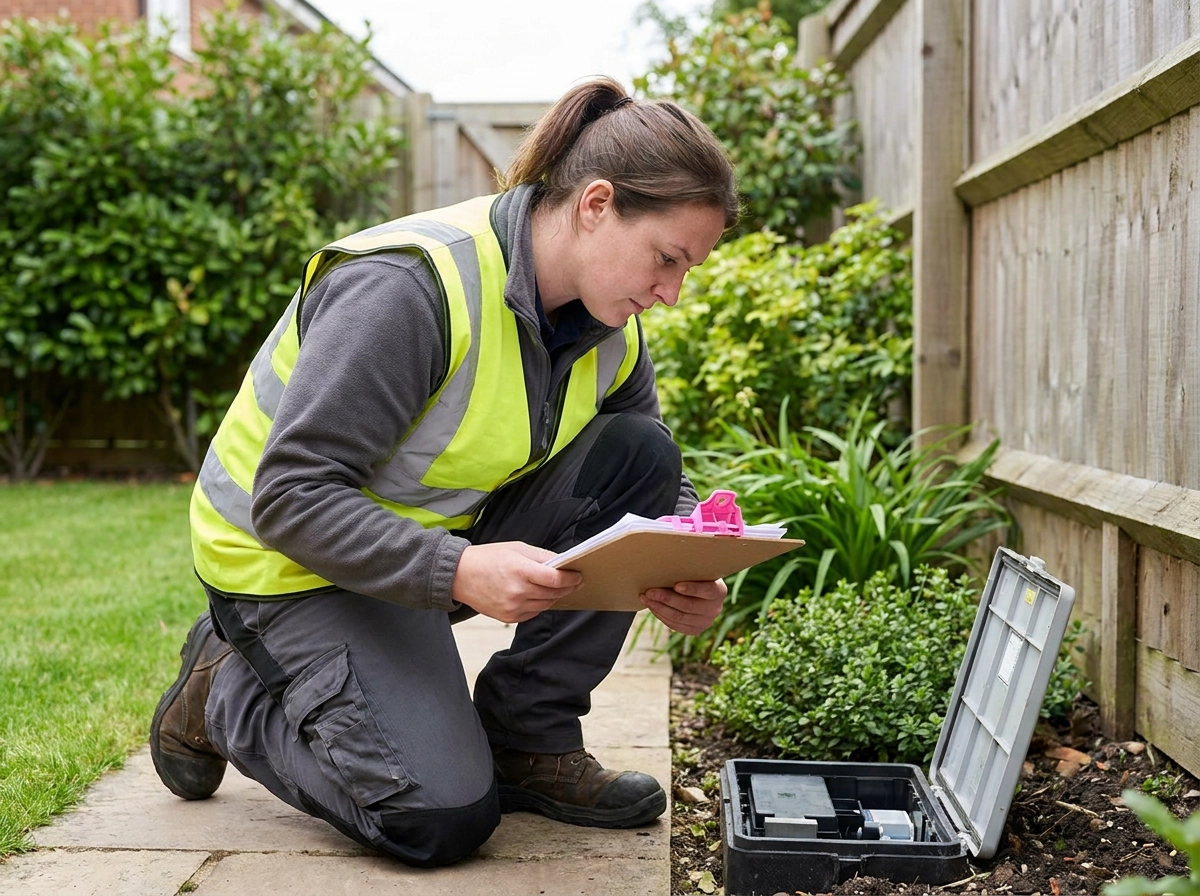
Knowing you need a Level 2 ASP is the final piece of understanding. Here is what to do with it.
Schedule a condition assessment if your pole has not been formally inspected recently, ideally before storm season rather than after. A visual inspection by a qualified Level 2 ASP will identify rot, structural movement, or conductor issues early, when options are broader and costs are lower.
Identify your network distributor now, it determines forms, approvals, and timeframes. Check your electricity bill or contact the distributor directly if unsure.
Do not wait if warning signs are already present, contact a Level 2 ASP immediately.
If a renovation, subdivision, or DA is in progress, request a quote early. Network application lead times vary by distributor and project complexity; engaging early protects your timeline.
High Demand Electrical provides site assessments, network applications, and all physical works across Sydney and NSW. From first inspection through to reconnection and compliance sign-off, HDE manages the entire process as a single accountable contractor. Review the full range of overhead and network services we offer or contact HDE directly to arrange an assessment.
Conclusion
Power poles are easy to overlook until something goes wrong. But as this guide has shown, ownership boundaries, regulatory obligations, and network distributor requirements all create real responsibilities for homeowners and property managers. The steps covered in this guide, ownership, warning signs, and qualified engagement, consistently separate costly emergencies from manageable maintenance.
The difference between a straightforward repair and an unplanned outage often comes down to timing. Proactive assessment gives you options; waiting removes them.
High Demand Electrical brings together inspection, network applications, and physical works under one roof, so nothing falls through the cracks. If your pole is ageing, a project is underway, or you simply want clarity on your obligations, contact HDE today and get the answers you need before the situation demands them.
Need Help Fast?
Powering Your Needs with Expertise
If you’re looking for a reliable, experienced, and prompt electrician, look no further than High Demand Electrical. We cater to all your electrical needs, from routine maintenance to emergency repairs and complete system installations. Our skilled team is committed to providing professional service that ensures your electrical systems run smoothly. Whether it's a small task or a large project, give us a call today. Let us meet all your electrical demands with the quality and reliability you deserve.

Licensed Level 2 ASP electricians across Sydney. Same-day service and 24/7 emergency response.
Licence 397193C
ABN 87 051 836 527
