What Are the Electrical Requirements for a Medical Imaging or Radiology Clinic in Sydney?
What are the electrical requirements for a medical imaging or radiology clinic in Sydney? A diagnostic imaging clinic needs dedicated circuits for each piece of equipment, a switchboard sized for high momentary loads, surge protection for sensitive electronics, RCD protection that meets AS/NZS 3000, and in many cases backup power so a scan is never interrupted mid procedure. Getting this right from the start, rather than retrofitting it later, is the difference between a clinic that runs smoothly and one that is forever troubleshooting nuisance trips.
⚡ Quick Answers: Imaging Clinic Electrical Requirements
- Does x ray equipment need its own circuit? Yes, almost every x ray unit needs a dedicated circuit sized and earthed to the manufacturer's own specification, separate from general power.
- Can a normal switchboard handle an x ray machine? Often not without an upgrade, since x ray units draw a short, high momentary load that a switchboard sized only for everyday clinic power may not be rated for.
- Do imaging clinics need surge protection? Yes, diagnostic electronics are expensive and sensitive, and a voltage spike can damage or recalibrate equipment, so surge protection is standard practice.
- What happens to a scan if the power drops out? Without backup power, a scan in progress is lost and the equipment may need recalibration, which is why many clinics add a backup supply for critical imaging rooms.
- Who installs the electrical supply for an MRI or CT suite? Large scale equipment like MRI and CT sits with the equipment manufacturer's own installation team and specialist biomedical engineers, not a general electrician.
- Does a new imaging clinic fit out need Level 2 work? Often yes, if the switchboard, consumer mains or supply capacity needs upgrading to carry the clinic's total load.
1. Dedicated circuits for imaging equipment
Every genuine piece of diagnostic imaging equipment, from a wall mounted x ray unit to a portable ultrasound machine or a bone densitometry scanner, comes with its own manufacturer specification for power. That specification usually calls for a dedicated circuit, run directly from the switchboard with nothing else sharing that breaker, so the equipment never sees a voltage dip caused by another device switching on elsewhere in the clinic.
Manufacturers are often specific about earthing too, sometimes asking for a separate equipotential earth point near the imaging table or console so the equipment reads a clean, stable reference. A general power point installed for everyday clinic use will not meet this, which is why the electrical design for an imaging room should start with the equipment manufacturer's installation manual, not a generic fit out plan.
Getting this wrong does not usually show up straight away. It shows up months later as intermittent error codes, failed self tests, or image artefacts that a service technician eventually traces back to a shared or poorly earthed circuit. Planning dedicated circuits for this equipment as part of your Level 2 electrician scope from day one avoids that entire category of problem. If you are instead setting up a physiotherapy or allied health clinic rather than a dedicated imaging practice, our guide to allied health clinic electrical requirements covers the equipment loads typical of that setting.
2. Switchboard capacity and maximum demand
Imaging equipment is unusual in how it draws power. Rather than a steady load like lighting or air conditioning, an x ray exposure can pull a short, high momentary current for a fraction of a second, then drop back to almost nothing. A switchboard sized only for the clinic's average, everyday demand can be caught out by that spike.
This is why maximum demand calculations matter for an imaging clinic in a way they might not for a standard retail or office fit out. The switchboard, the supply cable, and sometimes the connection to the street all need to be sized for the clinic's genuine peak demand, not just its average running load. In many existing buildings, especially older strip shopping centres and converted houses now used as clinics, the existing supply simply was not designed for this and needs a switchboard upgrade or a broader power supply upgrade before imaging equipment can go in safely.
A proper maximum demand assessment also protects you from a more subtle problem: nuisance tripping. A switchboard running close to its rated capacity will trip under a combination of everyday loads plus an imaging exposure, often at the worst possible moment for a patient already on the table.
3. Surge protection for sensitive diagnostic electronics
Diagnostic imaging equipment is expensive, and its control electronics are sensitive to voltage transients in a way that a kettle or a printer is not. A single surge, whether from a lightning event, a network switching fault, or even other equipment in the building switching off, can damage components or force a full recalibration before the machine can be used again.
Surge protection fitted at the switchboard, and ideally again at the point of use for the most sensitive equipment, gives that electronics a buffer against these transients. For a clinic that has just spent a significant amount on imaging equipment, this is one of the lowest cost ways to protect that investment, and it is worth discussing directly with your electrician at the design stage rather than adding it as an afterthought once the equipment is already on site.
4. Backup power so a scan is never lost
A power outage mid scan is more than an inconvenience. Depending on the equipment and the stage of the exposure, an interrupted scan can mean a lost image, a patient who needs to be rebooked, or in some cases a machine that needs to run through its own recovery sequence before it can be used again.
This is why many imaging clinics look at backup power for at least their critical imaging rooms, even if the rest of the clinic runs on normal mains power. Depending on the clinic's size and budget, that can range from an uninterruptible power supply sized just for the imaging console, through to a generator connection that covers the whole practice during a longer outage. You can read more in our dedicated guide to backup power for medical equipment.
Sydney's storm season also makes this a genuinely practical concern rather than a theoretical one. A clinic that has already dealt with storm damage to its supply, or that has needed an emergency make safe after an outage, usually moves backup power up the priority list quickly.
5. RCD protection under AS/NZS 3000
Like any commercial premises, an imaging clinic's circuits need residual current device protection in line with AS/NZS 3000. The detail that catches clinics out is choosing the right type and placement of RCD for sensitive equipment. A nuisance trip on a general power circuit is annoying. The same nuisance trip on a circuit feeding an imaging machine mid exposure is a genuinely bad outcome, so the RCD arrangement for these circuits needs to be planned around the equipment's own electrical characteristics, not just applied as a blanket rule across the whole switchboard.
An electrical safety inspection of an existing clinic is a sensible way to confirm the current RCD setup actually matches what the imaging equipment needs, rather than assuming the original fit out got it right.
6. New tenancy fit out versus retrofitting an older building
A brand new tenancy fit out gives you the cleanest path. The switchboard, the dedicated circuits, the earthing arrangement and the supply capacity can all be designed around the imaging equipment from the first set of drawings, often alongside a Level 3 design if the new load means the connection to the network needs to change.
Retrofitting an older building for imaging equipment is a different job. The existing switchboard may be decades old, the consumer mains may not have the spare capacity for the new load, and there is often no spare space in the switchboard enclosure for additional dedicated circuits without a broader upgrade. In these cases the practical first step is usually a consumer mains and switchboard assessment, so you know the real scope before committing to an equipment purchase and a fit out budget.
If the clinic is also moving from a single phase supply to a three phase supply to run the new equipment, that is its own project with its own lead time, covered in more detail in our guide to a single phase to three phase upgrade.
Why it's Level 2 ASP work
Most of what sits behind an imaging clinic's switchboard, consumer mains and supply capacity is Level 2 Accredited Service Provider work, meaning it has to be carried out by a provider accredited by the local network distributor, not just any licensed electrician. If the clinic's new load means the supply needs to be upgraded, the consumer mains need replacing, or the connection point itself needs work, that falls to an ASP like High Demand Electrical rather than general electrical contracting.
It is also worth being upfront about where this work ends. Large scale hospital grade imaging equipment such as an MRI or a CT scanner is a different category of installation again, usually handled by specialist biomedical engineers and the equipment manufacturer's own installation team, who deal with the machine's specific shielding, cooling and commissioning requirements. A Level 2 ASP electrician's role for that kind of equipment is generally limited to the general power supply, switchboard capacity and site preparation that the specialist team then builds on, not the imaging equipment's own internal installation.
How High Demand Electrical helps
High Demand Electrical is one of Sydney's most trusted Level 2 ASPs, and we work directly with clinics planning a new imaging room or upgrading an existing one. That means assessing your switchboard and supply capacity against the actual equipment you are installing, not a generic checklist, and sorting out dedicated circuits, surge protection and RCD arrangements so the electrical side of your fit out is ready before the imaging equipment itself arrives on site.
We are a licensed local team, not a call centre, and we service clinics and medical practices across Sydney's West, South West and Sutherland Shire. If your practice is weighing up backup power for a critical imaging room, we can talk you through realistic options and real costs rather than a one size fits all quote, and if your building needs a broader supply upgrade before new equipment can go in, we can scope that as part of the same job. For general medical and dental fit out advice alongside the imaging specific detail on this page, see our guide to medical and dental practice electrical fit outs.
Medical Imaging Clinic Electrical Requirements FAQs (Sydney)
Does an x ray room need special earthing?
Yes, most x ray and imaging equipment manufacturers specify an earthing arrangement for the equipment that goes beyond standard power point earthing, and this should be checked against the manufacturer's installation manual rather than assumed. See our guide to medical and dental practice electrical fit outs for the broader fit out picture.
Can an existing clinic switchboard be upgraded for new imaging equipment?
In most cases yes, though the scope depends on the age and capacity of the existing switchboard and consumer mains. A proper switchboard upgrade assessment will tell you whether it is a straightforward job or part of a larger supply upgrade.
Does an ultrasound machine need the same electrical treatment as an x ray unit?
Not always to the same degree, since ultrasound draws a steadier, lower load than an x ray exposure, but it still benefits from a dedicated circuit and surge protection given how sensitive and expensive the equipment is.
Who is responsible for the electrical side of an MRI or CT installation?
For hospital grade equipment like MRI and CT, the detailed installation sits with the equipment manufacturer's own specialist team and biomedical engineers, while a Level 2 ASP electrician typically handles the general power supply and switchboard capacity that the room is built around.
How much does it cost to upgrade a clinic's power supply for imaging equipment?
It depends heavily on the equipment, the existing switchboard and consumer mains, and whether the connection to the network needs to change, so costs vary widely between a straightforward switchboard upgrade and a full supply upgrade. Every job needs a site assessment before we can give you an accurate figure.
If you are planning a new imaging room or upgrading an existing clinic's power supply, get a switchboard upgrade quote from High Demand Electrical. Call 0402 559 777 to talk through your equipment and your building, and keep in mind every job needs a site assessment before we can confirm the scope or the price.
Need Help Fast?
Related Services

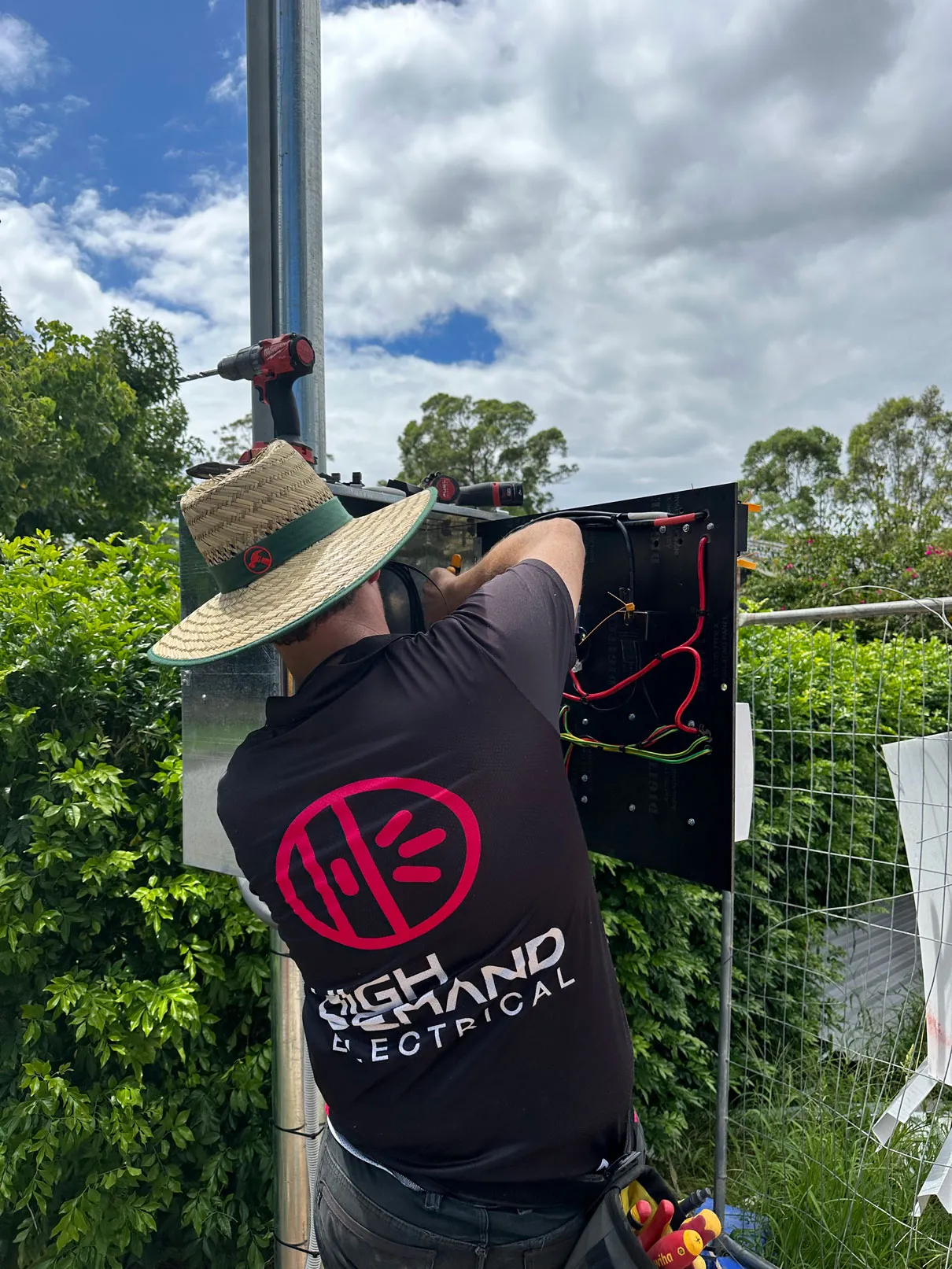

Powering Your Needs with Expertise
If you’re looking for a reliable, experienced, and prompt electrician, look no further than High Demand Electrical. We cater to all your electrical needs, from routine maintenance to emergency repairs and complete system installations. Our skilled team is committed to providing professional service that ensures your electrical systems run smoothly. Whether it's a small task or a large project, give us a call today. Let us meet all your electrical demands with the quality and reliability you deserve.

Licensed Level 2 ASP electricians across Sydney. Same-day service and 24/7 emergency response.
Licence 397193C
ABN 87 051 836 527
