Electrical Connections for Duplexes and Granny Flats: What You Need to Know
A granny flat is usually powered by a sub-main from the main house's switchboard, while a duplex normally needs a separate network connection and meter for each dwelling. Which option you need depends on whether the dwellings will be sold separately, how the land is titled, the total load, and what the local network allows.
Getting this right at design stage saves money and avoids delays at handover.
Table of Contents
- How is a granny flat usually connected?
- When should a granny flat have its own meter?
- How are duplexes connected?
- How do you size supply for two dwellings?
- What does the build sequence look like?
- How High Demand Electrical helps builders and owners
- FAQs
How is a granny flat usually connected?
Most secondary dwellings are supplied through a sub-main cable from the main switchboard to a sub-board in the granny flat. It is the simplest and cheapest option, but the flat's load now shares the house's supply, so the combined maximum demand must be calculated. Older homes on a small single-phase supply often need a power supply upgrade first. Read more in our granny flat connection guide.
When should a granny flat have its own meter?
- It will be rented and the tenant should pay their own electricity bill.
- You want separate solar or tariff arrangements.
- The sub-main run would be long and expensive, and a separate connection point is closer.
A separate meter is generally arranged through the network and a retailer, with metering work by a Level 2 ASP. Rules differ between distributors, so confirm what your network permits before design is finalised.
How are duplexes connected?
Duplexes are normally given separate supplies so each dwelling can be owned, sold or tenanted independently. This may mean two service lines or underground mains, two meter positions and two main switchboards, all shown on the electrical plans. If the lot is being subdivided, the network connection must suit the final title boundaries, not just the build.
How do you size supply for two dwellings?
Maximum demand is calculated for each dwelling from its planned loads: cooking, hot water, air conditioning, EV charging, pool equipment and solar. Our maximum demand calculator gives a starting point. Where demand is high, three-phase supply may be required.
What does the build sequence look like?
- Electrical design and maximum demand calculation at DA or CDC stage.
- Network application for new or altered connections.
- Temporary builders supply during construction.
- Consumer mains, meter boxes and switchboards installed.
- Permanent connection by a Level 2 ASP, CCEW and NOSW lodged.
How High Demand Electrical helps builders and owners
We plan and deliver new electrical connections for granny flats, duplexes and triplexes across Sydney, from temporary supply to final connection. Builders can bundle every stage through our builder electrical connection packages, delivered by our Level 2 ASP team (Licence 397193C).
FAQs
Related reading
- New Service Connection for a Sydney Granny Flat: Step by Step
- Meter Amalgamation: Combining Two Electricity Meters Into One
- Temporary builders supply through to permanent connection
- When a renovation requires the point of attachment or meter to move
Related reading: How Are Group Homes and Supported Accommodation Developments Connected for Power in Sydney? | Can a Sydney Property Have More Than One Electricity Connection?
Need Help Fast?
Related Services
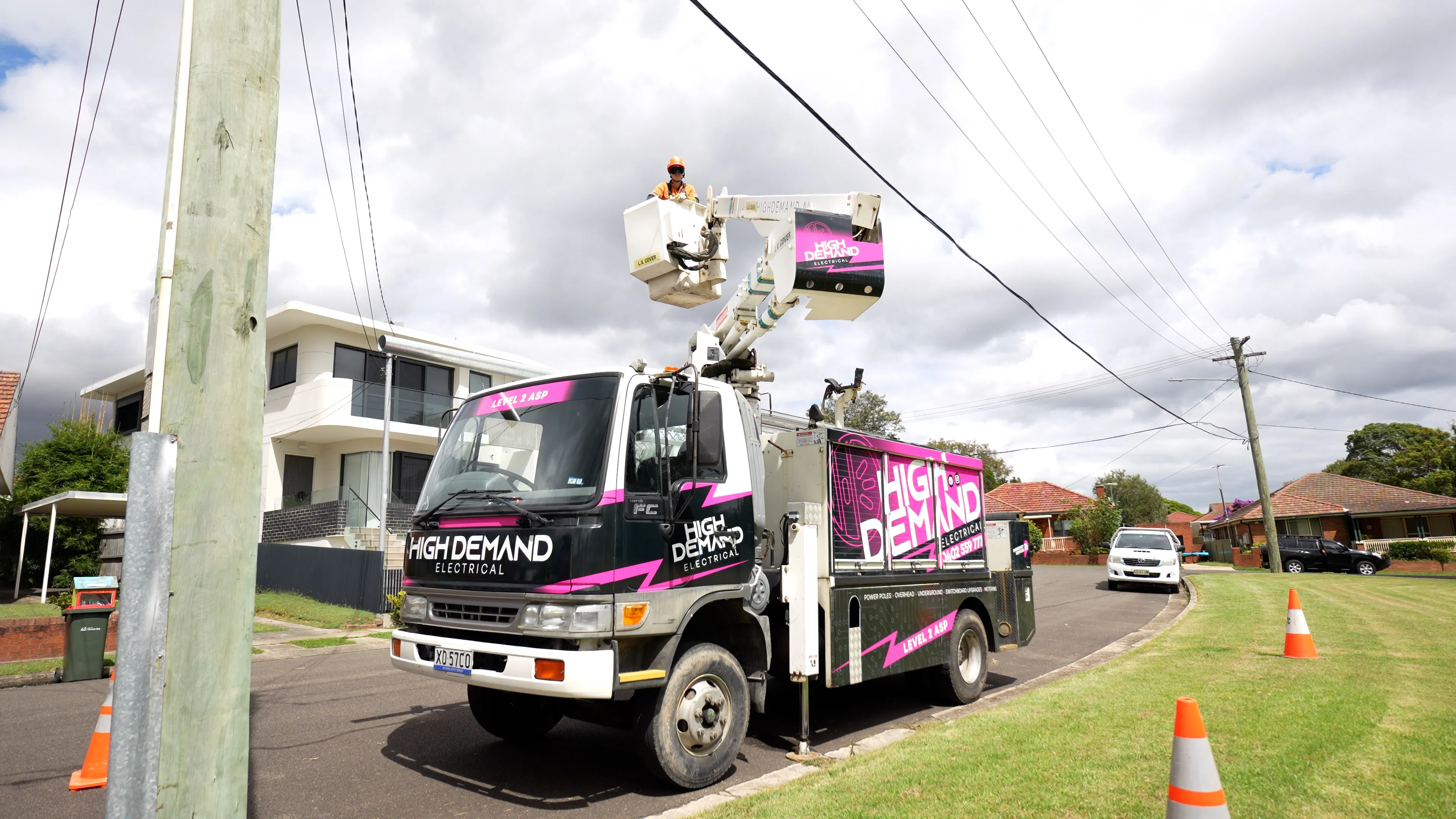

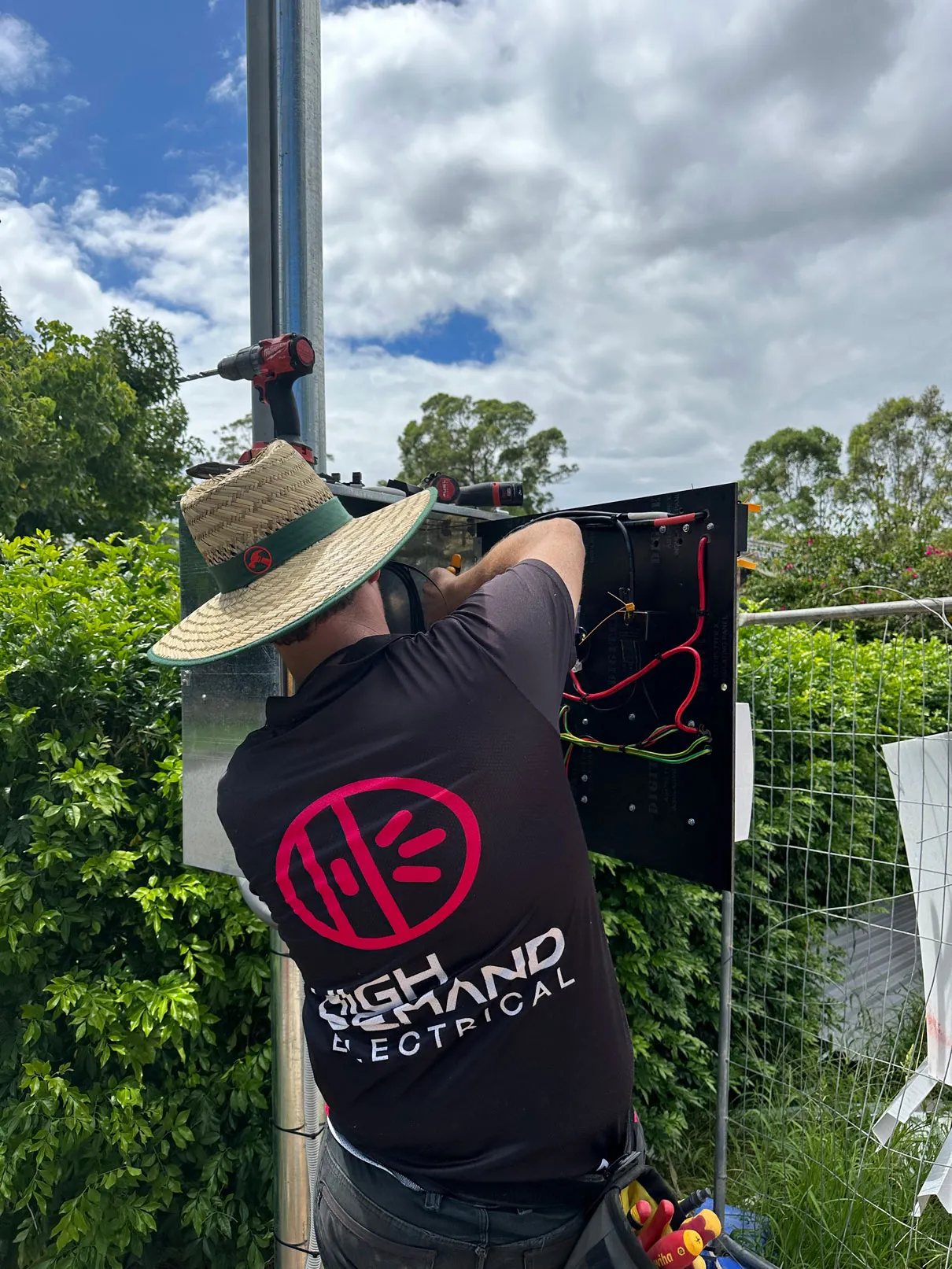
Powering Your Needs with Expertise
If you’re looking for a reliable, experienced, and prompt electrician, look no further than High Demand Electrical. We cater to all your electrical needs, from routine maintenance to emergency repairs and complete system installations. Our skilled team is committed to providing professional service that ensures your electrical systems run smoothly. Whether it's a small task or a large project, give us a call today. Let us meet all your electrical demands with the quality and reliability you deserve.

Licensed Level 2 ASP electricians across Sydney. Same-day service and 24/7 emergency response.
Licence 397193C
ABN 87 051 836 527
