Electric Oven Installation Sydney: What to Know & What It Costs
Written by Chris · Licensed Level 2 ASP Electrician · Licence 397193C
Do you need an electrician to install an electric oven in Sydney, and what does it cost? Yes, almost always. Electric ovens draw serious power, usually need a dedicated circuit, and connecting one is licensed electrical work in NSW. Most Sydney installs run $180 to $320 for a straightforward swap onto an existing circuit, rising to $700 or more if a new circuit or a switchboard upgrade is needed.
⚡ Quick Answers: Electric Oven Installation Sydney
Can I install my new oven myself? No. Connecting an oven to your home's wiring is electrical work under the Electricity (Consumer Safety) Act and must be done by a licensed electrician.
What's the average cost? $180 to $320 for a straightforward swap on an existing circuit, plus $200 to $500 if a new dedicated circuit needs to be run.
Does my oven need its own circuit? Yes, a standard electric oven draws 15 to 20 amps continuously, too much to safely share with other appliances.
What if my switchboard can't handle it? A switchboard upgrade will be quoted separately, typically $900 to $2,000, and future proofs your home for other appliances or an EV charger.
How long does installation take? One to two hours for a simple swap, two to four hours if new wiring is needed.
Do I get paperwork afterwards? Yes, a Certificate of Compliance for Electrical Work (CCEW) confirming the job meets Australian standards.
Why Electric Oven Installation Isn't a DIY Job
A standard wall power point delivers 10 amps, enough for a kettle or a laptop. A standard electric oven draws between 15 and 20 amps of continuous power during a bake cycle, and a full freestanding range with a ceramic or induction cooktop on top can pull even more. That's why ovens need a dedicated circuit, a cable running directly from your switchboard to the oven with no other appliances sharing it.
In NSW, connecting an oven is classified as electrical work under the Electricity (Consumer Safety) Act, and there's no DIY exemption. If you self connect an oven and something goes wrong, your home insurance may refuse to pay out. For most Sydney homes, the good news is that installation is a straightforward job a licensed electrician completes in two to four hours.
What the Electrician Actually Does During Installation
A lot of homeowners picture the job as plugging in a power cord. In reality, a proper oven installation involves several distinct steps, each of which matters for safety and long term reliability.
Assessing Your Switchboard Capacity
Before work begins, a good electrician checks your switchboard for spare capacity. Older Sydney homes, particularly those built before the 1980s, often have fuse based switchboards that weren't designed for today's appliance loads. If your board is already close to capacity, a switchboard upgrade may be needed before the oven installation can proceed. See our guide to switchboard upgrade costs in Sydney for what that involves.
Running a Dedicated Circuit, If Needed
If there's no existing circuit, the electrician runs new cable from your switchboard to the oven location and installs the correctly rated circuit breaker to protect it. This is the most labour intensive part of the job, especially in two storey homes or where cabinetry makes cable routing harder. In most single storey homes with reasonable switchboard access, running a new circuit adds an hour or two to the job.
Safe Disconnection of the Old Appliance
If you're replacing an old oven, or switching from gas, the electrician safely disconnects the existing appliance first. For gas appliances, a licensed gas fitter handles the gas line disconnection separately, your electrician only handles the electrical side. Coordinating both trades on the same day avoids a second call out and gets the kitchen back in action sooner.
Connecting and Testing the New Oven
With the circuit in place, the electrician connects the new oven to the supply per the manufacturer specifications, confirms all connections are properly terminated, and checks the unit is securely positioned with proper ventilation clearances. They'll then test that the oven powers on, the circuit breaker responds correctly, and all functions work, before issuing a Certificate of Compliance for Electrical Work (CCEW). Keep this document, you may need it for insurance claims or when you sell.
Electric Oven Installation Costs in Sydney (2026)
Costs vary with the complexity of the job, the age of your home, and whether new wiring is needed. These figures are indicative for Sydney metro; your electrician will confirm the final price in a written quote before work begins.
Straightforward swap on an existing circuit: $180 to $320 including labour and minor materials, the most common scenario
New dedicated circuit required: add $200 to $500 depending on cable run length and switchboard accessibility
Switchboard upgrade also required: typically $900 to $2,000 depending on scope, an investment that future proofs your home for other appliances and EV charging
Freestanding range (oven and cooktop combined): similar to a wall oven where an existing circuit is already in place
Replacing a Gas Oven or Cooktop with Electric Appliances
Switching from gas to electric cooking is increasingly common in Sydney as homeowners renovate or look to pair cooking with solar power. The electrical work is more substantial than a like for like swap, for two reasons. First, there's typically no existing dedicated circuit for a wall oven or range in a previously gas kitchen, so new circuits need to be run. Second, if you're also installing an induction cooktop, that's a second high draw appliance needing its own dedicated circuit.
It's worth getting a switchboard capacity assessment upfront if you're adding two large circuits at once, since older Sydney homes can hit the trigger point for an upgrade you'd have needed soon anyway. The electrician handles the electrical connections; a licensed gas fitter caps the gas line. Coordinate both trades together to avoid extra call out fees.
What to Check Before the Electrician Arrives
Know your oven's power requirements. Check the spec sheet or rating label so the electrician can size the circuit correctly.
Clear access to the oven cavity and any cabinetry the cable needs to route through.
Know your switchboard's location and make sure it's accessible, particularly if it's padlocked or in a storeroom.
Have the appliance on site where possible, so the electrician can confirm the connection type before starting.
Mention recent electrical work, such as a switchboard upgrade or EV charger installation, so the electrician understands your current capacity.
Induction vs Ceramic vs Gas Cooktop: Does It Change the Electrical Work?
If you're installing a new oven alongside a new cooktop, common in a kitchen renovation, the cooktop type matters for the electrical scope. Induction and ceramic cooktops both need their own dedicated circuit, separate from the oven, and induction units typically draw 7 to 10kW for a full size 60cm or 90cm cooktop. If you're keeping an existing gas cooktop and only installing a new electric oven, the scope is simpler, just the oven circuit. Every high draw kitchen appliance needs its own dedicated circuit; sharing one is a common cause of tripping and a genuine fire risk.
Do I Need a Certificate After the Installation?
Yes. Every piece of electrical work in NSW, including oven installation, must be accompanied by a Certificate of Compliance for Electrical Work (CCEW), issued by the electrician who completes the job. If your electrician doesn't offer one, ask for it, it's not optional. Without it, an insurance claim related to the appliance can be refused, and the missing paperwork can cause problems during a building inspection when you sell.
How High Demand Electrical Helps
High Demand Electrical is a licensed local Sydney team, not a call centre, and Chris holds a Level 2 ASP licence (397193C) as well as his standard electrical licence. For a straightforward oven swap, that just means you're getting an experienced electrician; if the job turns up a deeper issue with your switchboard, consumer mains or metering, the same team can diagnose and fix it in one visit rather than calling in a second trade. If you've got a new oven waiting to go in, or you're planning a kitchen renovation, get in touch for a no obligation quote. We'll assess your switchboard capacity, confirm whether new circuits are needed, and arrange installation across Sydney.
Electric Oven Installation FAQs (Sydney)
Can I install an electric oven myself in NSW?
No. All electrical connections, including oven installation, must be completed by a licensed electrician in NSW. Self installation is illegal and voids your home insurance.
How long does oven installation take?
A straightforward swap where a dedicated circuit already exists typically takes one to two hours. If a new circuit needs to be run, allow two to four hours, and a half day if a switchboard upgrade is also required.
What's the difference between a hardwired oven and a plug in oven?
Some electric ovens connect via a dedicated plug and socket, others are hardwired directly into the circuit. Either way, the connection must be made by a licensed electrician, and the safety requirements are the same.
Do I need a new circuit if I'm just replacing my existing oven?
Not usually. If the existing circuit is correctly rated for the new oven's power draw, the electrician connects the new appliance to it directly. They'll confirm this on the day.
Ready to get your new oven installed properly? See our induction cooktop installation guide if you're upgrading your cooktop at the same time, or our guide to switchboard upgrades if you're concerned your panel can handle the extra load. For a quote, contact High Demand Electrical or call 0402 559 777. We service all of Sydney, with pricing confirmed after a short site assessment.
Related Services
Powering Your Needs with Expertise
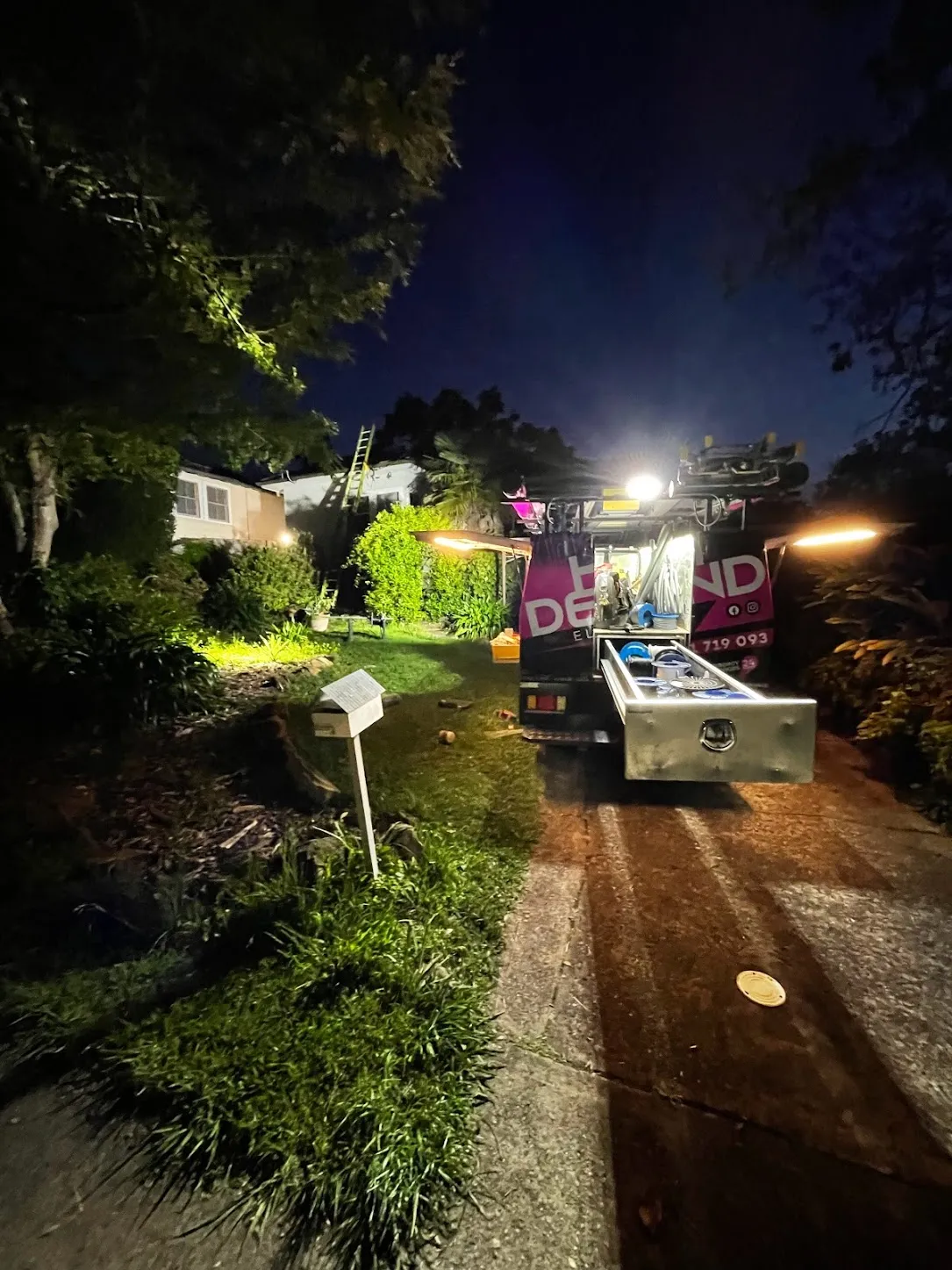
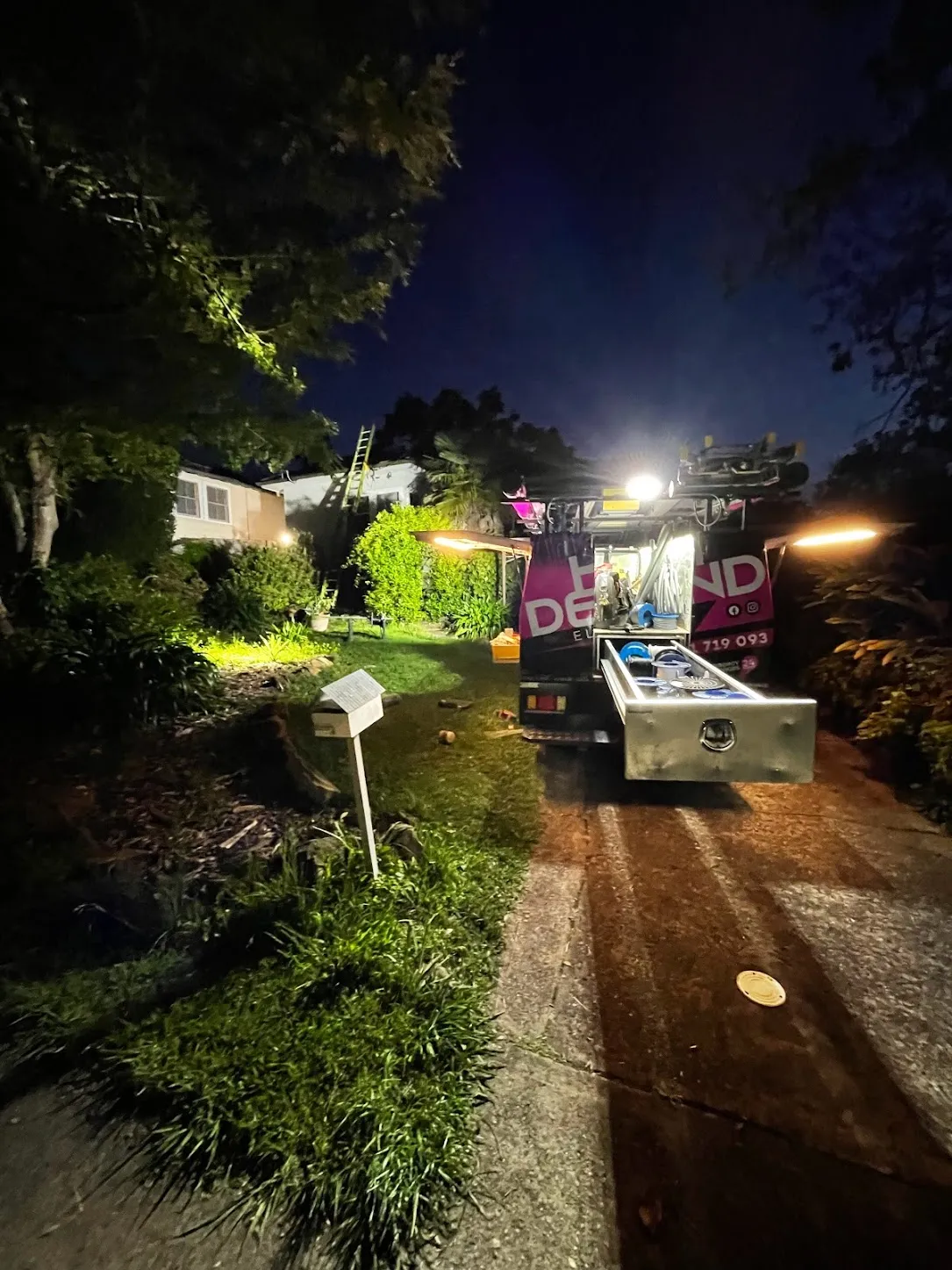
If you’re looking for a reliable, experienced, and prompt electrician, look no further than High Demand Electrical. We cater to all your electrical needs, from routine maintenance to emergency repairs and complete system installations. Our skilled team is committed to providing professional service that ensures your electrical systems run smoothly. Whether it's a small task or a large project, give us a call today. Let us meet all your electrical demands with the quality and reliability you deserve.