Continuous Flow Hot Water: Does It Need an Electrician?
Does a continuous flow hot water system need an electrician, not just a plumber? Gas continuous flow units mainly need a plumber and gas fitter, but electric continuous flow and heat pump systems draw serious power, often needing a dedicated circuit, a bigger breaker and sometimes a switchboard upgrade before installation, which is licensed electrical work. Even gas units typically need an electrician for the power supply to the unit's ignition and control system.
⚡ Quick Answers: Continuous Flow Hot Water and Electrical Work
- Do all continuous flow hot water systems need an electrician? Gas units need an electrician mainly for a small control circuit, while electric and heat pump continuous flow systems need a full dedicated circuit sized for a much heavier load.
- Why do electric continuous flow units draw so much power? They heat water instantly on demand rather than storing a heated tank, which means a much higher instantaneous power draw than a standard storage hot water system to achieve the same flow rate.
- Can my existing switchboard handle a new continuous flow unit? Not always. Older switchboards, especially those already close to capacity, often need a circuit assessment or an upgrade before a high draw continuous flow system can be added safely.
- Is a heat pump hot water system the same as continuous flow? No. A heat pump system still uses a storage tank and draws power more gradually, while continuous flow heats water instantly as it is used, with a correspondingly different electrical load profile.
- What size circuit does an electric continuous flow unit need? It depends on the specific unit's kilowatt rating, which can range widely, so the cable and breaker sizing has to match the manufacturer's electrical specifications exactly.
- Who sizes and installs the circuit for a new hot water system? A licensed electrician assesses your existing switchboard capacity and installs a correctly sized dedicated circuit for the specific unit being installed.
1. Why continuous flow changes the electrical equation
A standard electric storage hot water system heats a tank gradually over hours, spreading its power draw out and drawing a relatively modest, steady load most of the time. A continuous flow system has no storage tank at all. It has to heat water to the target temperature instantly, the moment a tap is turned on, which means the heating element has to be powerful enough to do in seconds what a storage system does over hours.
That translates directly into a much higher instantaneous electrical load, and it is why electric continuous flow units are far less common in Australian homes than their gas equivalents, which can draw that same instant heat from a gas flame rather than from the electrical supply.
2. Gas continuous flow units still need electrical work
Even a gas continuous flow system is not purely a plumbing job. Modern gas units use electronic ignition, digital temperature controls and sometimes a recirculation pump, all of which need a reliable power supply, typically from a dedicated general power outlet near the unit. A plumber and gas fitter handle the gas and water connections, but the power point itself, and confirming it sits on a suitable circuit, is electrical work.
This is a common gap in DIY and budget installations, where the gas and water side gets done properly but the power point is an afterthought, sometimes run off an extension lead or an overloaded nearby circuit that was never meant to carry it long term.
3. Sizing a circuit for an electric continuous flow unit
Electric continuous flow units vary significantly in their power rating depending on flow rate and the temperature rise required, and the manufacturer's installation specifications set out the exact circuit size, cable size and breaker rating needed for that specific model. An electrician works from these manufacturer specifications rather than a generic rule of thumb, because undersizing the circuit risks nuisance tripping or overheating, while a circuit that is far oversized is simply an unnecessary cost.
Cable sizing itself follows AS/NZS 3000 and AS/NZS 3008 for current carrying capacity over the specific run length involved, accounting for cable routing, ambient conditions and any derating factors that apply to that installation.
4. Checking existing switchboard capacity first
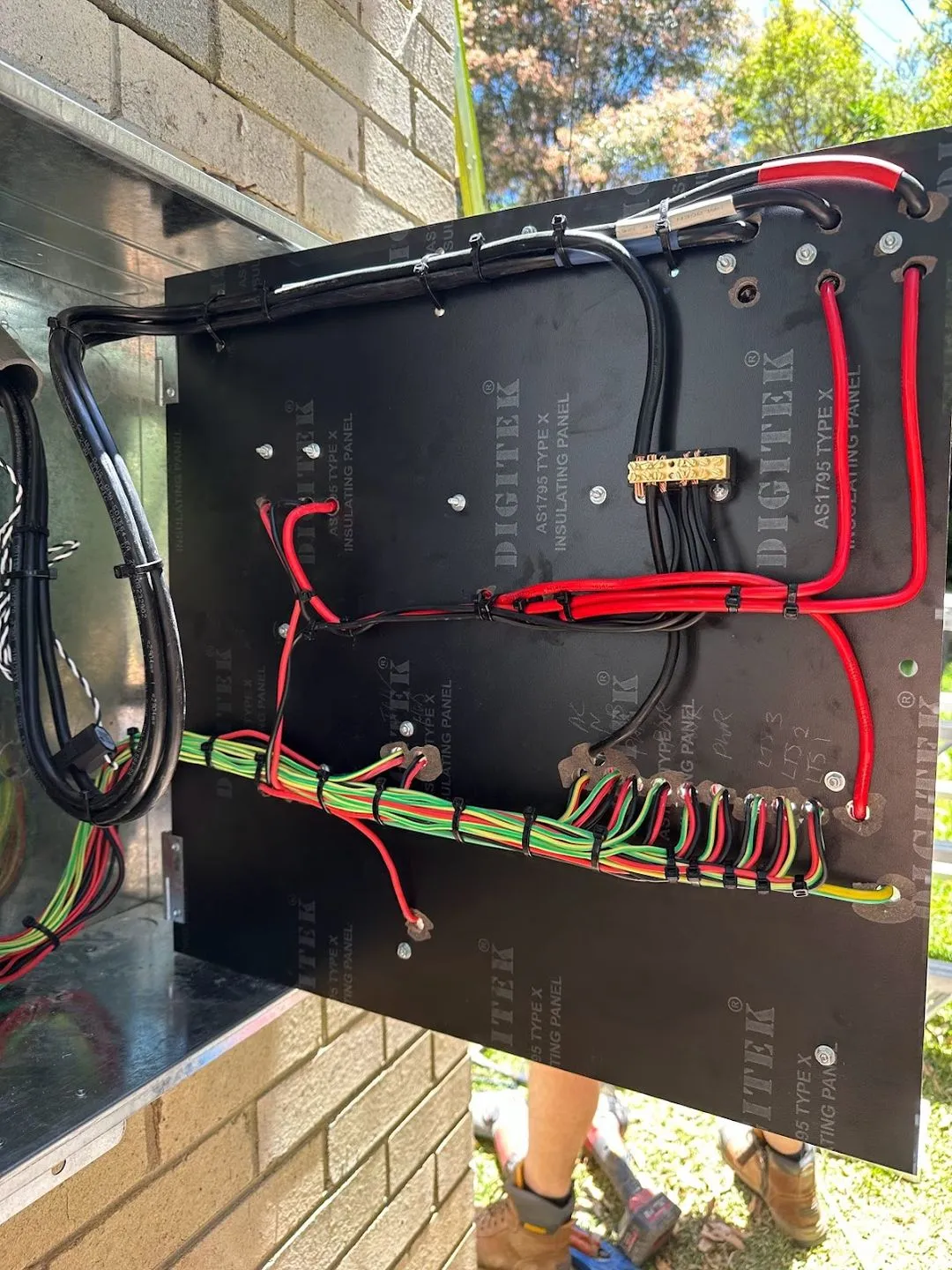
Before any new high draw circuit is added, whether for continuous flow hot water, an electric vehicle charger or anything else, the switchboard's total capacity has to be checked against what is already connected. Many older Sydney homes have switchboards that were adequate for the appliances in use decades ago but are now genuinely close to their limit once air conditioning, electric cooking and other modern loads are accounted for.
Adding a demanding new circuit to an already stretched switchboard without checking capacity first is how nuisance tripping and overloaded mains become a recurring problem. Our switchboard upgrades service covers exactly this kind of capacity check and upgrade where needed.
5. Heat pump hot water is a different electrical animal
Heat pump hot water systems are sometimes confused with continuous flow, but they work quite differently. A heat pump unit still heats and stores water in a tank, using a refrigerant cycle similar to an air conditioner to extract heat from the air rather than from a resistive element, which means a lower, steadier power draw than either a standard electric storage tank or an electric continuous flow unit. Heat pump systems typically need a standard circuit rather than the heavier dedicated circuit an electric continuous flow unit requires. Our guide to heat pump versus electric storage hot water compares the two in more detail, including the electrical differences between them.
Choosing between heat pump and continuous flow is primarily a hot water performance and running cost decision for the homeowner, but the electrical requirements differ enough that it is worth confirming which system is actually planned before any circuit work begins.
6. Three phase supply for larger continuous flow installations
Larger properties, or homes installing a continuous flow system sized for several bathrooms running simultaneously, sometimes need more capacity than a standard single phase supply can comfortably provide. In these cases a single phase to three phase upgrade spreads the electrical load across three phases rather than one, giving the home significantly more usable capacity for a high draw continuous flow unit alongside everything else already connected.
This is more common on larger homes or where several electric continuous flow units are being installed to serve separate bathrooms, rather than a typical single unit household installation. Our sister site HD Inner West has a related guide to heat pump hot water placement in a terrace, which covers a similar sizing and location problem for a narrower inner west block.
7. What happens when the job reveals an undersized supply
Occasionally a continuous flow hot water installation is the moment an undersized overall electrical supply gets discovered, particularly in an older home that has never had its consumer mains reviewed. If the supply itself, not just the internal switchboard, is the limiting factor, the fix moves into consumer mains or power supply upgrade territory, which involves the network distributor rather than just internal rewiring.
You can check your network area in seconds with our postcode checker to confirm whether you are on Ausgrid or Endeavour Energy before any distributor application is needed, since the application process and timeframes differ between the two networks.
8. Planning the installation sequence properly
The most efficient sequence for a new continuous flow hot water installation is a switchboard capacity check first, followed by the circuit installation, then the actual hot water unit installation by the plumber or gas fitter, with the electrical work generally completing before or alongside the plumbing connection rather than as an afterthought once the unit is already mounted. Coordinating the trades this way avoids a unit sitting installed but unable to be commissioned because the power point or circuit is not yet ready. Our guide to what a hot water system electrician actually does covers this coordination in more detail, and a hot water timer is worth considering at the same time if running costs are a priority.
For a renovation involving a new bathroom or laundry layout, it is worth raising the hot water system choice with your electrician early, alongside any other planned circuits, rather than treating it as a separate, later decision.
Why it's licensed electrical work
Sizing and installing a dedicated circuit for a continuous flow hot water system, and confirming the switchboard has the capacity to support it safely, is licensed electrical contracting work under AS/NZS 3000. Where the installation reveals a genuinely undersized supply from the network itself, that work moves into Level 2 electrician territory requiring a network application.
How High Demand Electrical helps
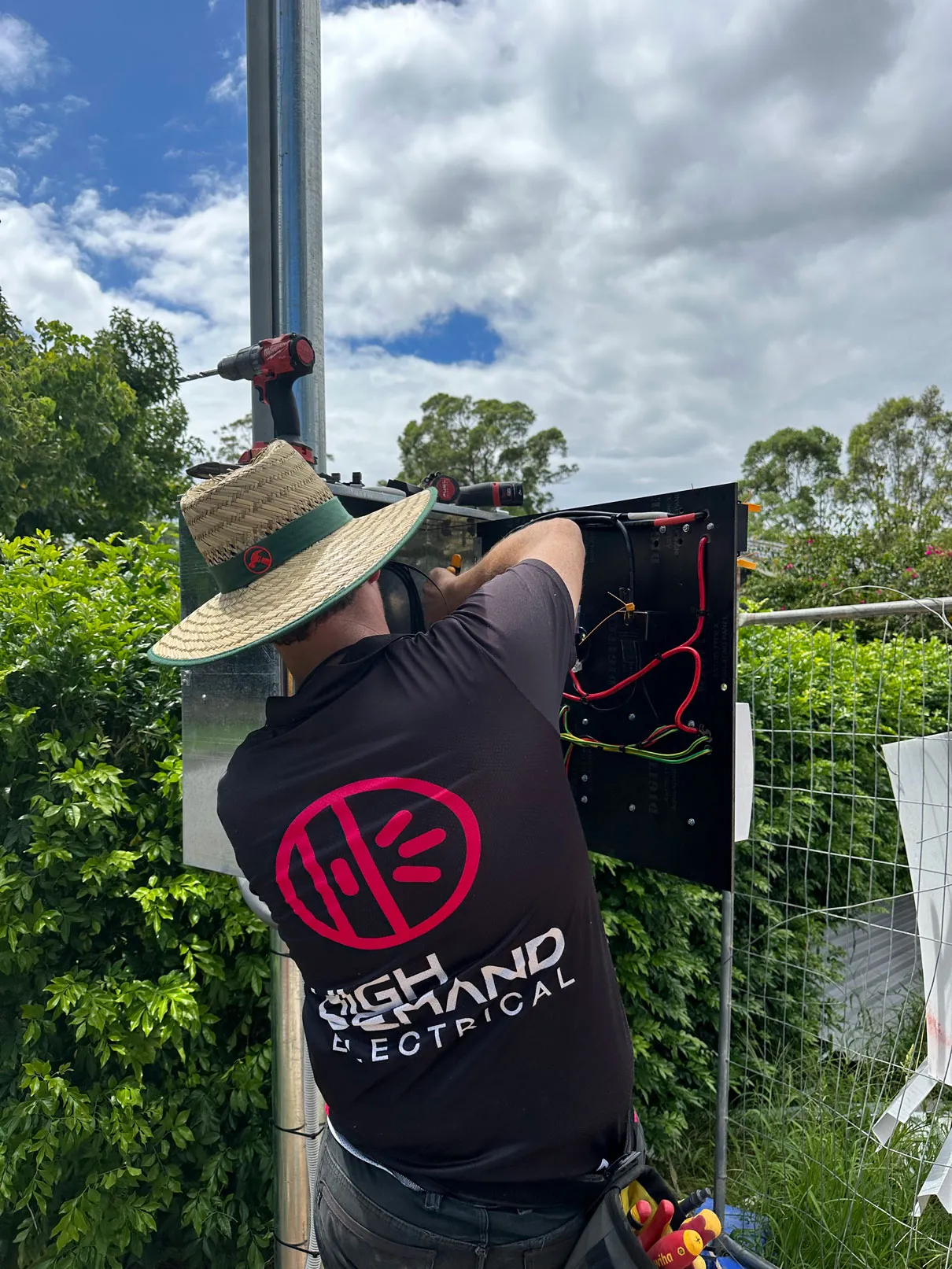
We are a licensed local team, not a call centre, and for new hot water installations across Sydney's West, South West and Sutherland Shire we check switchboard capacity, size the circuit correctly to the manufacturer's specifications, and coordinate with your plumber or gas fitter so the job runs smoothly from both trades. Where a continuous flow system reveals a bigger supply issue, we explain the options plainly rather than pushing straight to the most expensive fix.
Continuous Flow Hot Water FAQs (Sydney)
Can I install the power point for a hot water unit myself?
No. Any new or dedicated circuit for a hot water system is licensed electrical work under AS/NZS 3000, and incorrect sizing can cause nuisance tripping, overheating or a genuine fire risk.
Will my existing switchboard cope with a new continuous flow unit?
It depends on what else is already connected and how much spare capacity remains. A proper check is the only reliable way to know, rather than assuming an older switchboard will cope.
Is electric continuous flow cheaper to run than gas?
Running costs depend on your electricity and gas tariffs and the specific unit's efficiency, and this is really a question for your plumber or hot water supplier rather than an electrical one. We can confirm what the electrical side will cost to install either way.
Do I need a three phase upgrade for continuous flow hot water?
Only for larger installations with significant simultaneous demand, such as several bathrooms running at once. See our guide to single phase to three phase upgrades for when this actually makes sense.
Who checks switchboard capacity before a new hot water system?
Call High Demand Electrical on 0402 559 777 to have your switchboard assessed before your new continuous flow or heat pump hot water system is installed. See our switchboard upgrades page for more.
Get a Switchboard Assessment Quote: Call High Demand Electrical on 0402 559 777 before installing a new continuous flow hot water system, so the circuit is sized correctly the first time. Every job needs a site assessment before scope or pricing is confirmed.
Need Help Fast?
Related Services
Powering Your Needs with Expertise
If you’re looking for a reliable, experienced, and prompt electrician, look no further than High Demand Electrical. We cater to all your electrical needs, from routine maintenance to emergency repairs and complete system installations. Our skilled team is committed to providing professional service that ensures your electrical systems run smoothly. Whether it's a small task or a large project, give us a call today. Let us meet all your electrical demands with the quality and reliability you deserve.

Licensed Level 2 ASP electricians across Sydney. Same-day service and 24/7 emergency response.
Licence 397193C
ABN 87 051 836 527
