
Short Circuit Sydney: What It Means and When to Call a Level 2 Electrician
Written by Chris · Licensed Level 2 ASP Electrician · Licence 397193C · Published 24 October 2026
One moment everything's working. The next, a circuit has tripped, a room's gone dark, or the whole property has lost power. This article explains what a short circuit actually is, the most common reasons it happens in Sydney homes, what to do right now, and when the fault is serious enough that only a Level 2 electrician can legally restore your power. If you already know you need help, contact our team and we'll take it from there.
In this guide
Short Circuit Meaning Sydney: What Is a Short Circuit?
A short circuit occurs when electricity takes an unintended path through your wiring, producing a sudden rush of current far higher than the circuit was designed to carry. The fault creates a low resistance path, so current flows much faster than intended. The damage happens in a fraction of a second.
Two forms exist. The first is a fault between the active (live) wire and the neutral wire: when those two conductors make direct contact where they shouldn't, the circuit breaker trips almost instantly. The second is a ground fault short circuit from the active wire to earth, whether that's the metal casing of an appliance, a damp surface, or the earth wire itself. This type is sometimes called an earth fault, and it's the safety switch (RCD) that responds rather than the circuit breaker.
Both devices exist for the same reason: cut the power before the wiring overheats and before anyone gets hurt, protecting the wiring system from further damage and reducing the risk of electric shock. In a properly protected home, either a breaker or a safety switch trips within milliseconds. You can read more about how safety switches are installed and tested in our guide to safety switch costs in Sydney.
Older Sydney homes with ceramic fuse boards don't have breakers to trip. A short circuit blows the fuse wire instead, because ceramic fuses were the older protective devices used before breakers. Replacing that wire won't fix anything if the fault is still present, it'll just blow again. If your home still has a fuse board, see our article on fuse box replacement costs in Sydney for the full picture.
Common causes of short circuits in Sydney homes
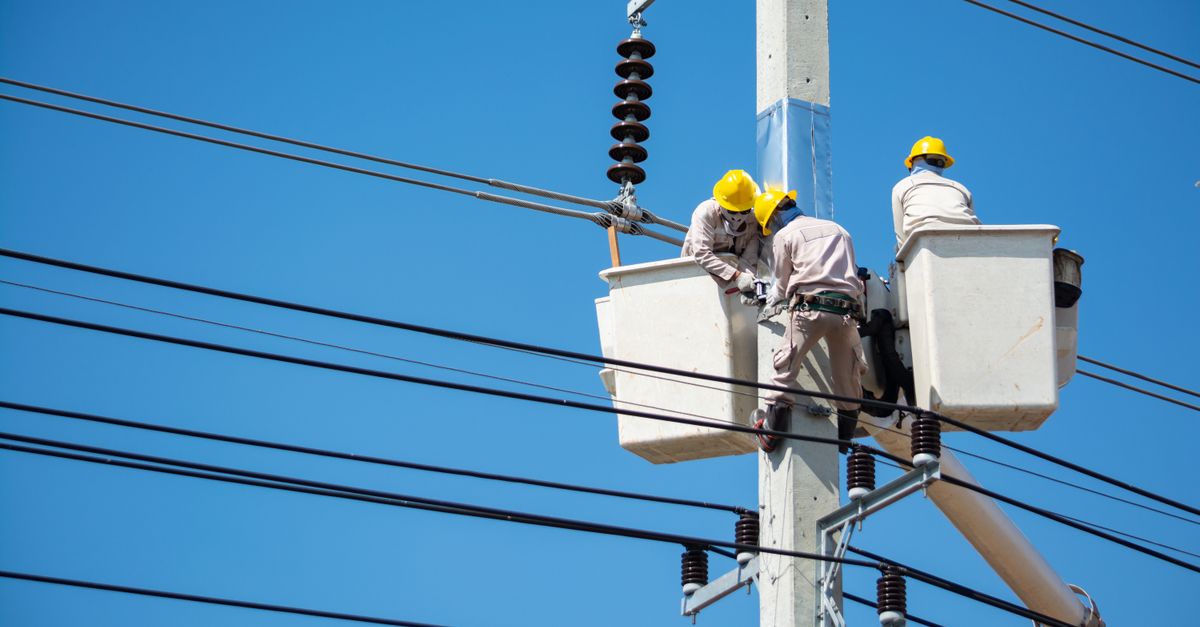
Wiring insulation breaks down over time. In Federation-era and post-war homes across inner Sydney, cables installed decades ago can become brittle, cracked, or worn through entirely, with damaged insulation leaving bare wires able to meet. Exposed conductors are the most common source of short circuits found during inspections. In older homes, faulty wiring and loose connections are also common triggers.
Faulty appliances are the other major culprit. A damaged kettle, a washing machine with a failing motor, or an overloaded power board can all develop an internal short that feeds back into the house circuit. If the trip lines up with electrical devices running on one circuit, suspect the appliance first.
Water ingress is a real risk in Sydney, particularly after heavy storms when roof or wall leaks bring moisture into ceiling cavities where cables run. Damp wiring is a direct path to an earth fault, and exposed wiring with moisture can create a ground fault. Rodents and possums in roof spaces chew through cable sheathing just as reliably, leaving conductors exposed, and the home's wiring can also develop loose terminals over time.
What to do if you have a short circuit

Work through these steps in order. Don't rush straight to resetting a tripped breaker or tripped circuit.
Step 1. If a circuit breaker has tripped, unplug every appliance on that circuit before you reset it. That means removing plugs such as phone chargers from the wall outlet, not just switching them off. If the breaker holds after resetting, plug appliances back in one at a time to find the faulty one. A breaker that trips again immediately with nothing plugged in means the fault is in the fixed wiring. Leave that circuit off to prevent further damage. You need a licensed electrician.
Step 2. If a safety switch has tripped, follow the same process. Unplug appliances on the affected circuits, then reset. A safety switch that trips repeatedly with nothing connected points to a wiring fault or a fault in a hardwired appliance such as a hot water system or range hood.
Step 3. If you notice warning signs such as a burning smell, or there are scorch marks or discolouration around a power point or light fitting, stop. Don't attempt to reset anything. Turn off the main switch if it's safe to reach it, as this cuts the power source and can reduce the risk of an electrical fire, and call an electrician for professional attention. Scorch marks mean the fault has already caused heat damage and fire risk is real. Severe faults can start a fire or, in the worst case, lead to even death.
Step 4. If the entire property has lost power but none of the breakers inside your switchboard have tripped, the fault may not be inside the house at all. The problem could be at the service fuse, the point where the network cable enters your property. That's a different situation, covered below.
When a short circuit needs a Level 2 electrician, not just any electrician
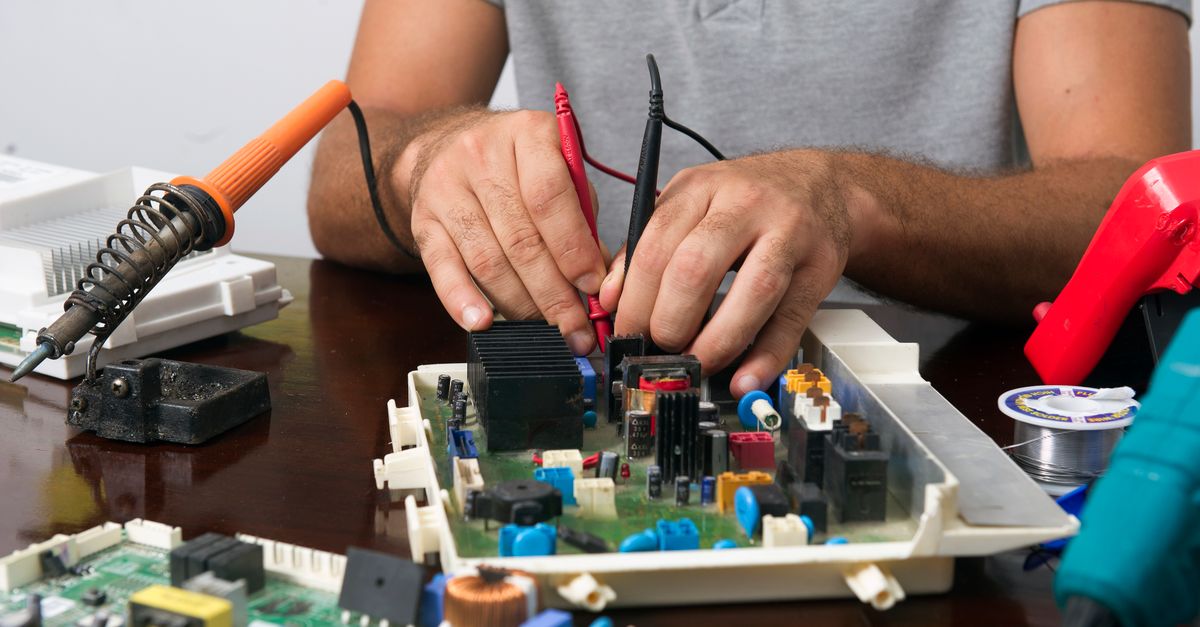
Most short circuits are resolved by a licensed electrician tracing and repairing a fault in the internal wiring, or replacing a faulty appliance. That's standard electrical work.
There is a point in the electrical supply chain, though, where a general electrician's authority stops. Between the street and your switchboard sits the service fuse, also called the main fuse or, in older Sydney homes, the barge fuse. It's the cut-out installed where Ausgrid's (or Endeavour Energy's) network cable enters your property. Because it's network infrastructure rather than internal wiring, it's sealed, and only an authorised trade can open it.
A short circuit severe enough to blow the service fuse leaves the whole property without power, and your internal breakers won't have tripped because the fault is upstream of them. A general licensed electrician cannot replace the service fuse. It's not a legal grey area: only an Ausgrid-authorised Level 2 Accredited Service Provider (ASP) can carry out that work. The same restriction applies through Endeavour Energy's authorisation process for the outer western Sydney area.
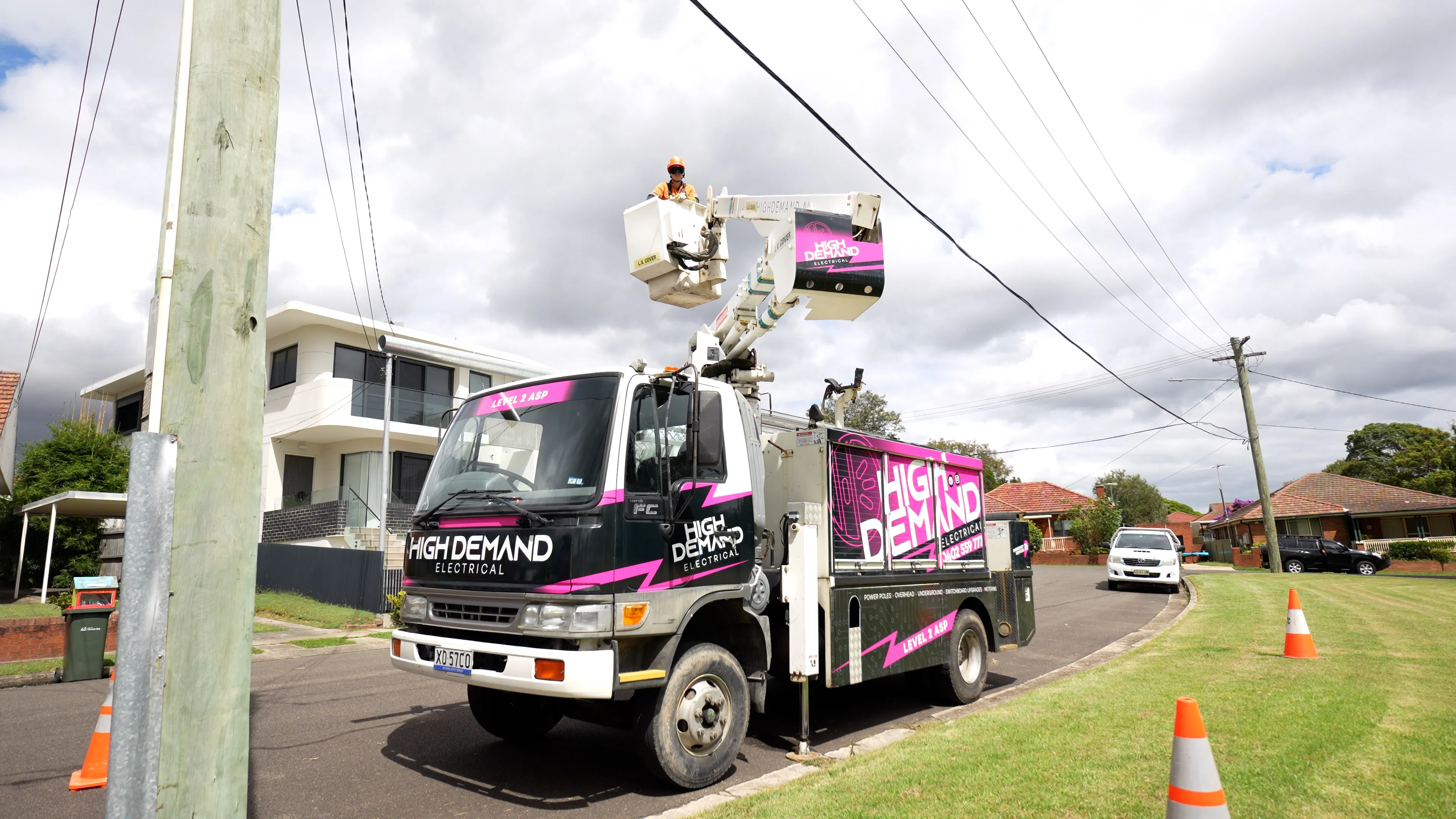
High Demand Electrical holds Licence 397193C as a Level 2 Accredited Service Provider. Our team is authorised to replace service fuses, repair consumer mains (the cables running from the service fuse to your switchboard), and work on metering equipment. A general electrician sent to do this job can't restore your power; they'll have to call a Level 2 ASP anyway. Contacting the right trade from the start matters, especially when the fault happens overnight or on a weekend.
Our team is available 24 hours a day. If you've lost all power and your switchboard looks undisturbed, get in touch and describe what you're seeing. We can advise whether the service fuse is the likely cause before we attend.
Frequently asked questions
What does short circuit meaning actually refer to in plain language?
Electrical short circuits happen when electricity strays from the intended electrical circuit, usually when a live wire and neutral wire make direct contact and create very little resistance. The circuit breaker or safety switch trips almost immediately to prevent fire or injury.
My short circuit tripped a breaker in Sydney — can I just reset it?
If one circuit has tripped, unplug everything on that circuit first, then reset. If the breaker holds, plug appliances back in one at a time to find the faulty one. If it keeps tripping, repeated tripping can also mean too much current from an overload, not just a short circuit. If it trips again with nothing plugged in, the fault is in the fixed wiring. Only a licensed electrician or qualified sparky should work on fixed wiring or replace protective devices, so don't keep resetting.
What is the difference between a circuit breaker tripping and a safety switch tripping?
A circuit breaker trips when current flows at unsafe levels, including overloads and short circuits between the active and neutral wires. A safety switch, also called one of the residual current devices, responds to earth-fault short circuits where electrical current is leaking to earth and detects an imbalance caused by a ground fault. Both cut power to prevent harm, but they protect against slightly different fault types.
My whole house has lost power and none of the breakers have tripped. What has happened?
If the switchboard looks undisturbed but the property has no power, the fault is likely at the service fuse, the network cut-out before your switchboard. A general electrician cannot replace this; you need a Level 2 Accredited Service Provider authorised by Ausgrid or Endeavour Energy.
Who is the network distributor for my area in Sydney?
Ausgrid covers most of Sydney. Endeavour Energy covers the outer west. Both require their own Level 2 ASP authorisation for work on service fuses and consumer mains.
Can High Demand Electrical replace a blown service fuse?
Yes. High Demand Electrical holds Licence 397193C as a Level 2 Accredited Service Provider, which authorises our team to replace service fuses, repair consumer mains, and work on metering equipment on the Ausgrid network. We are available 24 hours a day.
The High Demand Electrical teamHigh Demand Electrical publishes what it learns from the work itself.
Related Services
Powering Your Needs with Expertise
If you’re looking for a reliable, experienced, and prompt electrician, look no further than High Demand Electrical. We cater to all your electrical needs, from routine maintenance to emergency repairs and complete system installations. Our skilled team is committed to providing professional service that ensures your electrical systems run smoothly. Whether it's a small task or a large project, give us a call today. Let us meet all your electrical demands with the quality and reliability you deserve.

