
Electrician Engadine: The Complete Guide
Written by Chris · Licensed Level 2 ASP Electrician · Licence 397193C · Published 14 October 2024
Engadine is one of the more self-contained suburbs in Sutherland Shire: large lots, older housing stock, and significant tree coverage along boundaries and laneways. Many properties here have private power poles on their land, a legacy of how the area was developed through the 1960s and 1970s. Attending to one of these poles requires a Level 2 Accredited Service Provider, a specific electrical licence for work on equipment connected to the Ausgrid network. A standard electrician cannot legally do this work.
In this guide
- What is a Level 2 ASP electrician?
- The most common Level 2 electrical jobs in Engadine
- Bushfire zone and private pole considerations
- Why one provider for the whole job matters
- Frequently asked questions
High Demand Electrical (HD Electrical) holds Level 2 ASP licence 397193C and operates across Engadine and the wider Sutherland Shire. This guide covers the Level 2 jobs that come up regularly in the suburb: private power pole replacement, overhead-to-underground conversion, and consumer mains upgrades for homes moving toward solar and EV charging.
What is a Level 2 ASP electrician?
An Accredited Service Provider holds a licence from Ausgrid to work on the parts of the electrical system between your property and the grid: the service line, service fuse, consumer mains cables, and metering equipment. That scope sits outside a standard electrical contractor's licence entirely. In Engadine, with its mix of private poles, overhead consumer mains, and large-lot properties where underground conversion is increasingly common, Level 2 ASP work comes up regularly. Every job in this category also requires coordination with Ausgrid. Application, disconnection, and reconnection are all network-managed processes that the ASP handles on the property owner's behalf.
HD Electrical is triple ISO certified (ISO 9001, ISO 45001, ISO 14001) and has accumulated more than 300 verified reviews. Those certifications matter for Level 2 ASP work because submissions to Ausgrid are documented and tracked, and quality management systems are central to how that's done correctly.
The most common Level 2 electrical jobs in Engadine
Private power pole inspection and replacement
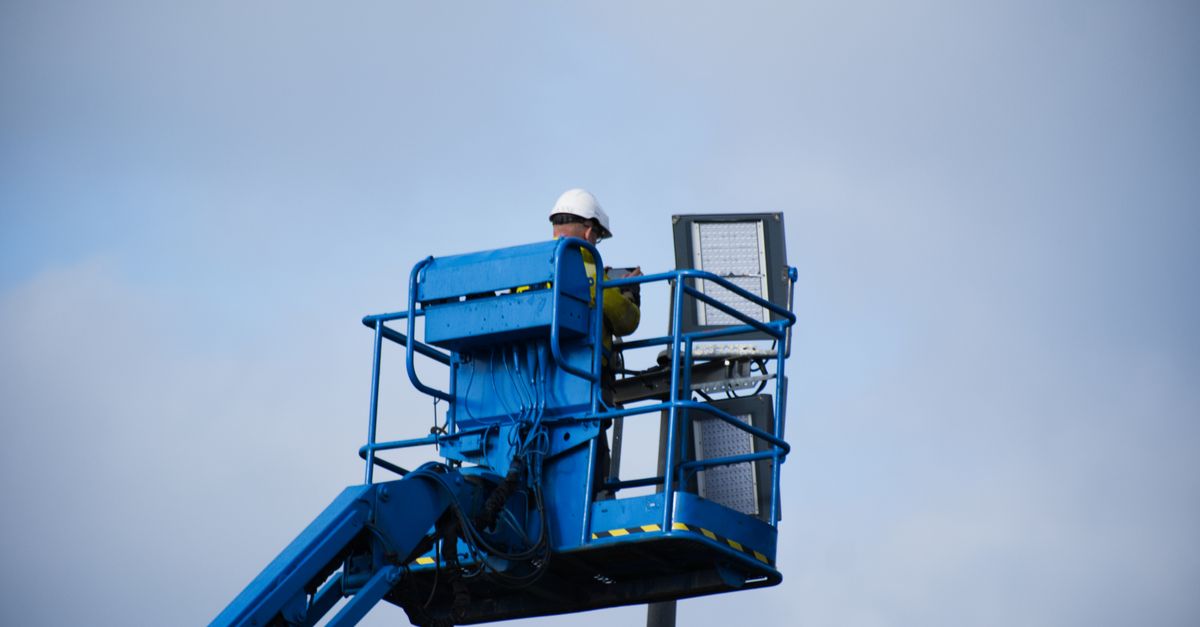
A private power pole sits on private land, past the Ausgrid service point. That means the property owner, not Ausgrid, is responsible for maintaining and replacing it. Most private poles in Engadine were installed in the 1960s and 1970s, and timber poles of that era have a typical service life of 25 to 40 years. A large proportion of the suburb's private poles are now well past, or fast approaching, end of life.
Watch for rot or soft timber at ground level, visible cracking along the pole shaft, a lean of more than two to three degrees from vertical, or a flag from an arborist who noticed the pole while working near the boundary. That last scenario is extremely common. Many Engadine homeowners discover they have a private pole, and that it's in poor condition, only because a tree contractor raised it during a landscaping job.
Replacing a private pole runs in four stages. First, a Level 2 ASP condition inspection and report. Then an Ausgrid application for temporary disconnection of the service line. The pole replacement itself requires a certified engineering inspection before reconnection can proceed. Finally, the Level 2 ASP reconnects the service line and reinstates metering.
Engadine's proximity to Georges River National Park adds a specific dimension here. Parts of the suburb are classified as bushfire-prone land (BPL) under the NSW Rural Fires Act. A timber pole in poor condition, surrounded by dry vegetation, is a documented ignition risk, and some building insurers are now asking for written evidence of private pole condition as a condition of cover for properties on or near bushfire-prone land. A Level 2 ASP inspection report satisfies that requirement. If replacement is needed, documenting the work through a licensed ASP also provides a clear paper trail for future insurance renewals.
For more background on who is responsible for aerial service cables on private property, the article on private aerial service cable responsibility covers the ownership boundary in plain terms.
Overhead-to-underground consumer mains conversion
Overhead consumer mains are being converted to underground across Engadine with increasing regularity. The drivers are usually one of three things: a major renovation that prompts owners to address aging cables, a landscaping project where overhead lines conflict with planned tree planting or structures, or a straightforward decision to eliminate ongoing maintenance exposure. An overhead service line crossing a large lot is a long-term liability. It requires periodic inspection, is vulnerable to storm damage, and becomes a problem whenever vegetation grows into the corridor.
Converting to underground involves civil trenching along the cable route, laying conduit and underground cable to current specification, and Level 2 ASP work at both ends: disconnecting from the overhead service point and connecting the new underground cable into the metering and switchboard. HD Electrical manages both the ASP connection work and the civil component in one engagement, so the property owner deals with one contractor rather than separately coordinating an electrician and a civil crew.
The underground power connection guide explains how new underground connections are structured in Ausgrid territory, including what the network requires before a new service is energised.
Consumer mains upgrade for solar and EV charging
Older Engadine homes, particularly those built before the 1980s, are often on 32A or 40A single-phase consumer mains. That supply was sized for the loads of the era: lights, a hot water system, and basic appliances. Run a solar export system, ducted air conditioning, and an EV charger at the same time and it simply isn't adequate.
Upgrading to 63A or greater single-phase supply, or converting to three-phase, requires an Ausgrid application, a metering reconfiguration, and replacement of the consumer mains cable from the service point to the main switchboard. All of that is Level 2 ASP scope. HD Electrical manages the Ausgrid application, the metering change, and the cable replacement as a single job, so the property owner doesn't need to separately engage the network or a metering coordinator.
Engadine's larger lot sizes also mean consumer mains cable runs are often longer than in denser suburbs. Longer runs require cable sizing to be calculated against voltage drop, not just ampacity. Get this wrong and you end up with undersized cables that limit actual usable capacity even after the upgrade. It's worth raising this explicitly when comparing quotes for consumer mains work.
The consumer mains upgrade guide covers what the process involves, how long it takes, and what Ausgrid requires before and after the work.
Switchboard upgrades for 1960s–70s Engadine homes
Post-war development left Engadine with a significant number of ceramic fuse boards still in service. These boards pre-date modern RCD (residual current device) protection requirements and are often missing RCBO protection on individual circuits as well. Beyond the safety gap, older ceramic boards frequently can't accommodate the additional circuits that come with a solar inverter, EV charger, or air conditioning system.
A switchboard upgrade is most efficiently done alongside a consumer mains change or metering job, because the Level 2 ASP scope already covers the metering and connection side. One engagement handles both the domestic panel replacement and the Ausgrid-connected elements, rather than requiring two separate contractor visits. If the existing board has an asbestos backboard, which is not uncommon in homes of this era, that needs to be identified before any work begins. Removal follows a separate compliance pathway.
For detail on what a switchboard upgrade costs and what factors move the price, the switchboard upgrade cost guide provides a breakdown specific to Sydney properties.
Bushfire zone and private pole considerations
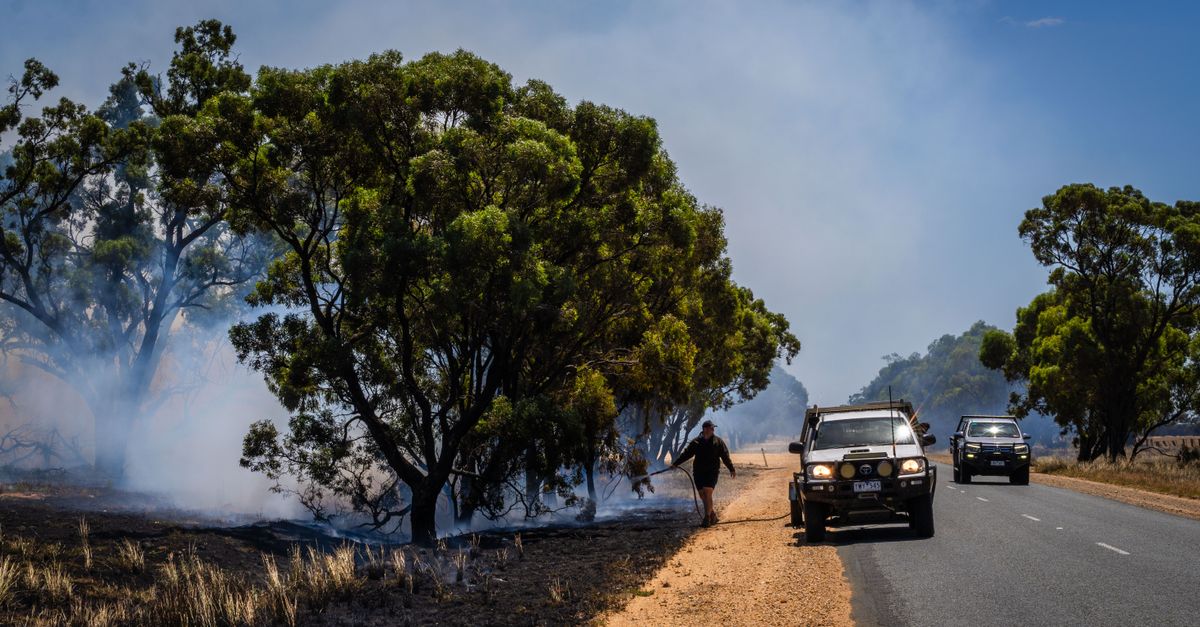
Engadine is partly classified as bushfire-prone land under the NSW Rural Fires Act, particularly in areas bordering Georges River National Park. For property owners in those areas, private pole condition is a fire risk and insurance question, not just a maintenance one. Timber poles near dry grass and leaf litter are a documented ignition source during fire weather. Inspecting proactively makes more sense than waiting for a visible symptom to appear.
A Level 2 ASP condition inspection produces a written report on pole integrity, lean, rot depth, and estimated remaining service life. That document is useful for insurance purposes and, where replacement is triggered, provides the baseline for the engineering sign-off Ausgrid requires before reconnection. If a pole is flagged during a pre-sale building inspection, having the ASP report already in hand avoids delays at settlement.
Why one provider for the whole job matters
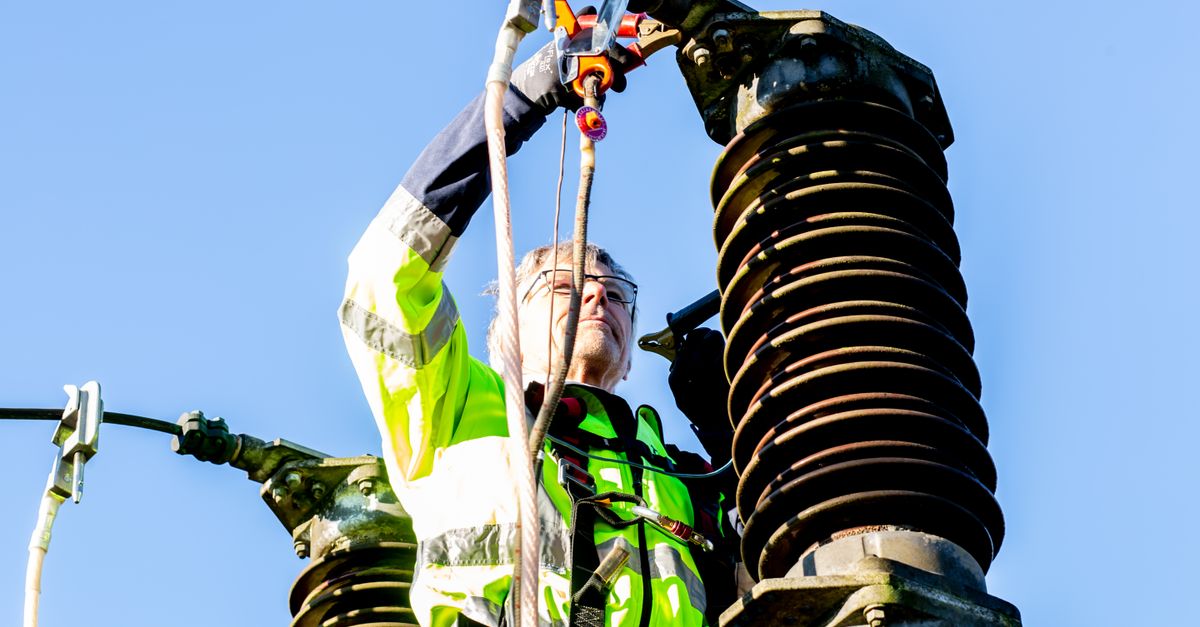
Level 2 ASP work in Engadine typically involves three moving parts: the Ausgrid application and coordination, the physical electrical work on the service and metering equipment, and in many cases civil works (trenching) or structural work (pole engineering). Split those elements across multiple contractors and the property owner becomes the project manager, chasing sign-offs, aligning schedules, and resolving scope gaps when something falls between parties.
HD Electrical manages the Ausgrid application, the Level 2 ASP electrical work, and the coordination of civil and engineering components under one engagement. For Engadine homeowners dealing with a pole that needs replacing, or a consumer mains that needs upgrading before solar panels can be commissioned, that single point of contact removes the main source of delay.
To discuss a job or request a site assessment, visit the contact page or call 0402 559 777.
Frequently asked questions
How do I know if I have a private power pole on my Engadine property?
A private power pole is any pole located on your land, past the Ausgrid service point. If a pole stands within your property boundary and the service line runs from it into your home, it's almost certainly private and your responsibility to maintain. An arborist or building inspector sometimes identifies this during unrelated site work.
Can a standard electrician replace a private power pole?
No. Private pole replacement requires a Level 2 Accredited Service Provider because the work involves disconnecting and reconnecting the Ausgrid service line. A standard electrical contractor licence doesn't cover this scope, and Ausgrid won't reconnect a service line unless the reconnection work is done by a licensed ASP.
Does Ausgrid pay for private power pole replacement in Engadine?
No. Private power poles in Engadine sit on private land past the Ausgrid service point, so maintenance and replacement costs fall to the property owner. Ausgrid manages the service line on their side of the connection point only.
Why would my insurer want documentation of my private pole's condition?
Properties on or near bushfire-prone land in Engadine carry elevated risk from timber poles in poor condition near dry vegetation. Some insurers are now asking for written evidence of pole condition as part of cover for rural-fringe properties. A Level 2 ASP inspection report documents the pole's structural integrity and satisfies that requirement.
What supply capacity do I need to run solar, air conditioning, and an EV charger at once?
Many older Engadine homes are on 32A or 40A single-phase consumer mains, which isn't adequate for those three loads running simultaneously. Upgrading to 63A or greater single-phase, or converting to three-phase, is the standard solution and requires Ausgrid approval plus Level 2 ASP installation.
How long does a consumer mains upgrade take from application to completion?
From Ausgrid application to completed reconnection, a consumer mains upgrade in Engadine typically takes 2–4 weeks. That window covers Ausgrid's application processing time and their scheduling of the disconnection and reconnection. Complex jobs—such as a simultaneous three-phase conversion or a longer cable run requiring civil work—can extend beyond that range. HD Electrical manages the application and coordinates the network booking as part of the job, so the property owner doesn't need to deal with Ausgrid directly.
The High Demand Electrical team
High Demand Electrical publishes what it learns from the work itself.
Related Services
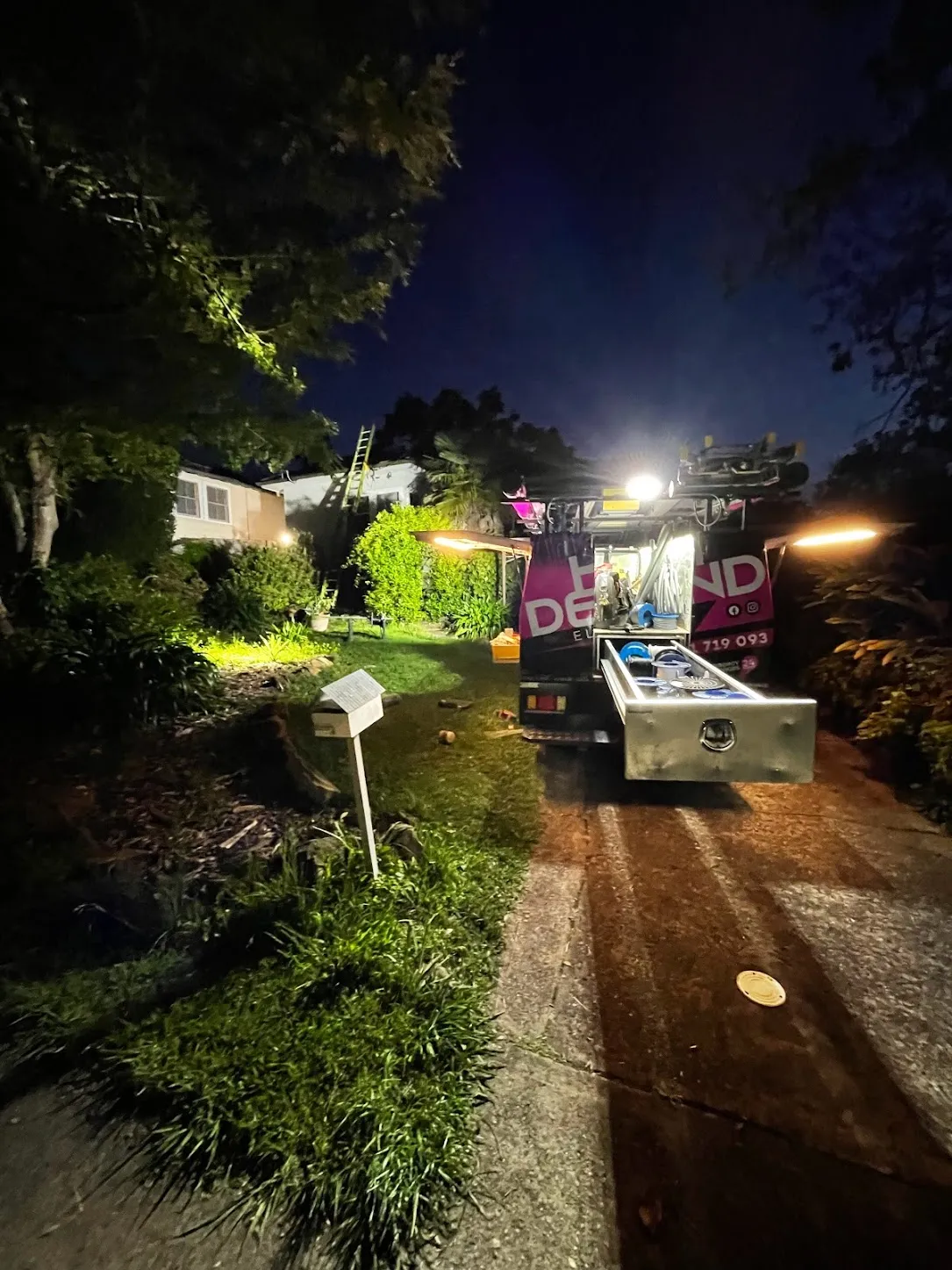
Powering Your Needs with Expertise
If you’re looking for a reliable, experienced, and prompt electrician, look no further than High Demand Electrical. We cater to all your electrical needs, from routine maintenance to emergency repairs and complete system installations. Our skilled team is committed to providing professional service that ensures your electrical systems run smoothly. Whether it's a small task or a large project, give us a call today. Let us meet all your electrical demands with the quality and reliability you deserve.

