
Switchboard Upgrade Cost Sydney: What It Costs in 2026 (and What Changes the Price)
Written by Chris · Licensed Level 2 ASP Electrician · Licence 397193C · Published 13 October 2026
Switchboard Upgrade Cost Sydney: What Does a Switchboard Upgrade Actually Involve?
Your switchboard distributes power through your home via circuit breakers, sitting between the street supply and your internal circuits. In many older properties, an outdated switchboard or old switchboard may mean old fuse boxes with ceramic fuses, no RCD protection, and a setup sized for only a fraction of today’s load. That can create electrical hazards, electrical faults, and safety risks for the home’s electrical system. That’s the core problem an electrical switchboard upgrade fixes: it improves electrical safety and helps the board cope with modern power needs and modern appliances.
In this guide
The distinction that matters for pricing: replacing the board itself is work a general licensed electrician can perform, provided the existing supply cables and metering stay in place. The moment the job touches the cables running from the Ausgrid connection point to your main board (the consumer mains), or requires a metering change, it becomes Level 2 Authorised Service Provider (ASP) territory. Those two scopes look similar from the outside but carry very different regulatory requirements, approval processes, and costs, with legal compliance and the switchboard upgrade process becoming more involved once metering or supply work is part of the job.
Chris from High Demand Electrical holds ASP licence 397193C and is triple ISO certified (ISO 9001, ISO 45001, ISO 14001), which means he can handle both the domestic panel work and the Ausgrid network connection work under one engagement.
Switchboard upgrade cost ranges in Sydney (2026)

Basic switchboard replacement (panel swap only)
This scope covers removing the old fuse board and fitting a new switchboard with a new switchboard enclosure and circuit breaker protection. No consumer mains work. No metering change. The typical range is $1,200 to $2,500, with the main variables being the number of circuits in the new board, how accessible the existing switchboard is, and whether an asbestos backboard needs to come out first. In most cases, this basic upgrade applies to the existing circuits and the board itself rather than adding new circuits or additional circuits.
A small older home with eight circuits on a straightforward wall-mounted board will sit toward the lower end. A larger home needing a 20-circuit board with dual RCD protection and individual circuit labelling will push toward the top, as a compliant board will usually include modern circuit breakers, residual current devices, safety switches (RCDs), and RCD safety switches as core safety features. No Level 2 ASP licence is required for this scope, provided there's no work on the Ausgrid connection. This is one of the lower typical price ranges for residential switchboard upgrades.
Switchboard upgrade with consumer mains replacement
This is the scope most homeowners end up needing once a proper assessment is done. The condition of the existing installation and existing wiring can affect whether consumer mains replacement is required as part of the electrical system upgrade. Existing consumer mains cables that are undersized (a 32A or 40A service that can't support solar, an EV charger, or ducted air conditioning), deteriorated, or need relocating must be replaced alongside the board. This is Level 2 ASP work. It requires an Ausgrid application and can only be carried out by a licensed ASP.
Typical cost is $2,500 to $5,000 or more, depending on cable run length, whether the supply is overhead or underground, whether the service is single or three phase, and labour costs. High Demand Electrical's consumer mains upgrade service is priced from $2,490. Some homes later need phase upgrades to meet future electrical demands. The full scope is covered in the consumer mains upgrade guide for Sydney homeowners.
Three-phase upgrade
Upgrading from single-phase to three-phase is one of the more complex installations in residential electrical work because it involves larger phase switchboards as well as more supply and connection work than a standard replacement. Large ducted air conditioning systems, commercial workshops, and high-powered EV chargers (22kW and above) all require it. The job involves new consumer mains, an Ausgrid application for a three-phase service connection, and a new three-phase switchboard.
The typical range is $5,000 to $10,000 or more. Three-phase upgrades may also be needed where multiple circuits, high loads, or future expansion require more capacity than a standard setup can provide. The biggest cost variable is distance from the nearest three-phase Ausgrid street supply and whether trenching is required to run underground cables to the property. Some streets simply don't have three-phase available nearby, which adds significant cable and civil work. The guide to three-phase power for Sydney properties goes into detail on what's involved.
Switchboard upgrade with asbestos removal
Many Sydney homes built before 1990 have switchboard backboards made from asbestos-containing fibrous cement sheeting, and in older properties this is one of the safety risks and hidden costs that can affect the job. The law requires a licensed asbestos removalist to remove this material before any switchboard replacement proceeds. An electrician can't handle it directly, and it's not optional.
Add $500 to $1,500 to the overall job cost, depending on backboard size. High Demand Electrical can coordinate the asbestos removalist engagement on request, so you're not left sourcing a separate contractor, and sometimes a new meter box or other meter box work is identified at the same time depending on the condition of the existing setup. The legal requirements are covered in the article on asbestos switchboard backboard removal in older Sydney homes.
What drives the price up (or down)?
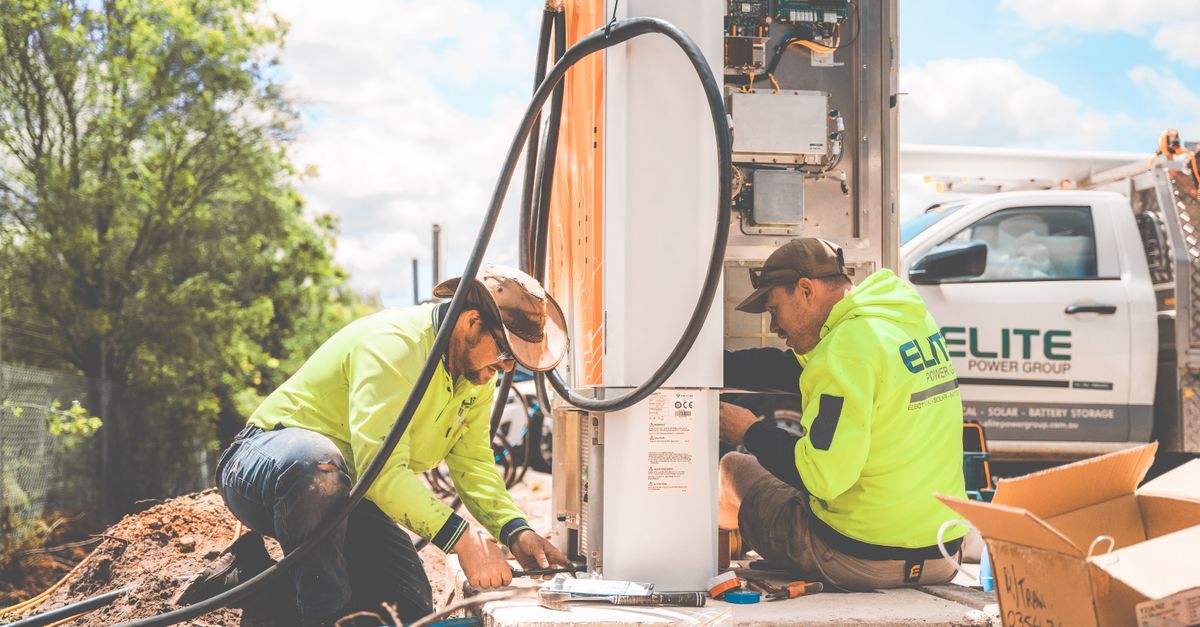
Several key factors affect switchboard upgrade cost, especially the size of the board, the supply type, and any distributor or Level 2 work tied to the job.
Number of circuits: More circuits mean more circuit breakers, more RCBOs, and more labour for the internal wiring of the board. Larger homes may also need a larger switchboard enclosure and more electrical components, which raises cost. A 20-circuit board costs more than a 10-circuit board, even if everything else is equal.
Single-phase vs three-phase: Three-phase jobs usually involve phase switchboards, extra cabling, and higher labour because the installation is more complex. They also carry significantly higher material and approval costs.
Consumer mains replacement: If the cables from the Ausgrid connection point to your board need replacing, that adds Level 2 ASP work, materials, and Ausgrid coordination to the job.
Point of attachment bracket: The bracket where overhead cables attach to your home sometimes needs replacing at the same time. It's not expensive in isolation but adds to the total.
Overhead vs underground consumer mains: Underground cable runs cost more for materials and installation, but there's no pole work involved. Overhead work may require an elevated work platform (EWP) depending on height. The article on when electrical jobs need an EWP covers that cost factor in more detail.
Asbestos backboard: As above, this adds a licensed removalist engagement and delays the electrical work until the board area is cleared.
Ausgrid metering change: If the metering configuration needs to change alongside the switchboard work, work on the electricity meter or service fuse can require distributor coordination and may affect timing and price. That can include adding solar export metering or upgrading to an interval meter, plus a metering coordinator engagement and potentially a Type 4 or Type 4A meter installation.
Emergency callout vs scheduled job: After-hours and emergency rates apply for urgent work. Scheduling during business hours on a planned basis is always less expensive, and competitive pricing should be based on an itemised scope rather than headline price alone.
Do you need a Level 2 ASP electrician for a switchboard upgrade?
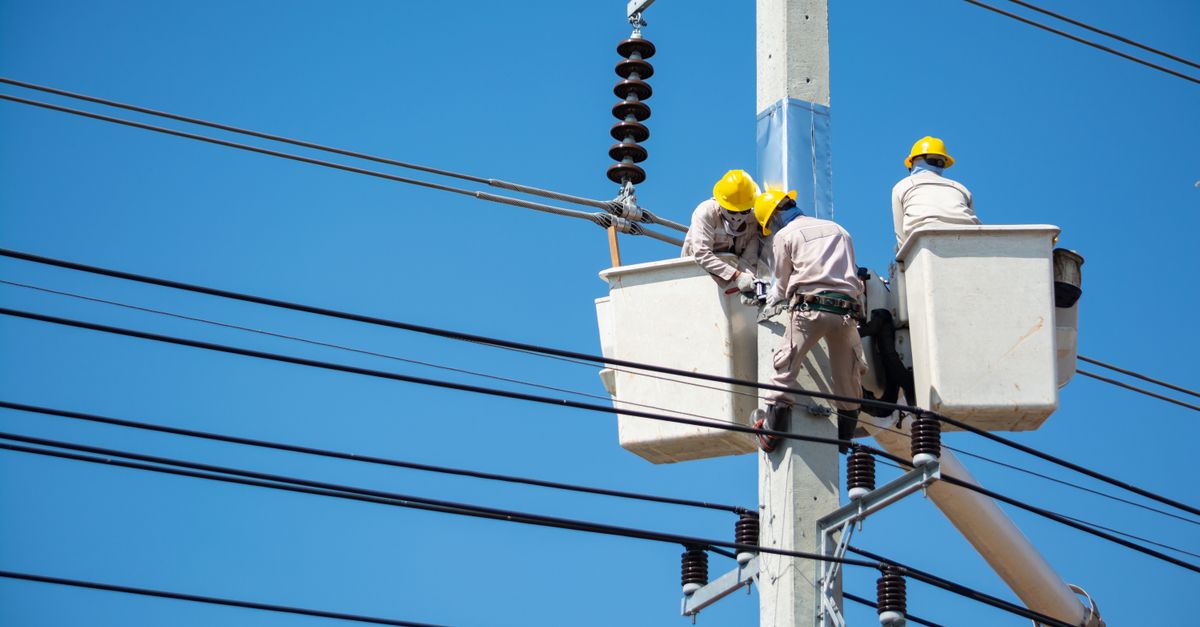
Not always, but more often than people expect. A pure panel swap where the consumer mains cables are in good condition, the service size is adequate, and no metering work is required can be done by any licensed electrician. Before confirming whether Level 2 ASP work is required, a qualified electrician should assess the existing switchboard, supply cables, and metering setup. The moment the job involves the consumer mains cables, a new service connection, or changes to Ausgrid metering, a Level 2 ASP licence is mandatory.
The practical problem is that many homeowners don't know whether their consumer mains need replacing until an electrician actually inspects the board. That assessment matters for legal compliance and for identifying whether the existing installation can safely support modern switchboards and future electrical demands. If one contractor says the consumer mains don't need touching while another says they do, that gap usually reflects the difference between a general electrician's scope and an ASP's assessment of what's actually safe and compliant. A DIY call or incomplete assessment can create electrical safety issues and increase the risk of electric shock. Leaving undersized or deteriorated consumer mains cable in place isn't a cost saving. It's a deferred problem.
The checklist for choosing a Level 2 electrician in Sydney covers the key questions to ask before committing to a quote.
Getting a quote
High Demand Electrical provides switchboard upgrade quotes across Sydney. Chris holds ASP licence 397193C, carries triple ISO certification, and has 300+ verified reviews. Quotes cover the full electrical switchboard upgrade, including the board, consumer mains, Ausgrid engagement, asbestos coordination, and other likely additional works where identified, so there are no surprises once the job starts. Itemised quotes also help surface hidden costs, labour costs, and whether the meter or board arrangement needs changes. Completed work should also include testing and a compliance certificate.
To request a quote, visit the contact page. For urgent situations, including a blown fuse board, an arcing board, or a power loss, call 0402 559 777.
Frequently asked questions
How much does a basic switchboard upgrade cost in Sydney?
A straightforward panel swap usually sits at the lower end of the typical cost ranges, while boards that need more capacity or extra protection sit higher. These jobs usually replace old fuse boxes with a new switchboard fitted with modern circuit breakers and safety switches. The main variables are the number of circuits and whether an asbestos backboard needs to be removed first.
Why does a switchboard upgrade cost more when it involves consumer mains?
Consumer mains work requires a Level 2 ASP licence, an Ausgrid application, and specialised cables and hardware, and costs more not only because of approvals but also because labour rises with accessibility, cable runs, and other complex installations. The job moves from a domestic panel swap to a network-connected upgrade with regulatory steps, which adds both labour and approval costs. High Demand Electrical's consumer mains upgrade starts from $2,490. For homes that need safe capacity for current and future loads, this broader scope is a significant but necessary investment.
How much extra does asbestos removal add to a switchboard upgrade?
Asbestos switchboard backboards are common in Sydney homes built before 1990. Removal by a licensed asbestos removalist typically adds $500 to $1,500 to the total job cost, depending on the size of the backboard.
Do I need a Level 2 ASP for a switchboard upgrade?
Only if the job involves the consumer mains cables, a new Ausgrid service connection, or a metering change. A pure panel swap with no network connection work can be done by a general licensed electrician, but most boards in older Sydney homes need more than just the panel replaced. After an inspection, a seasoned professional electrician or qualified electrician can confirm whether it is simply a panel swap or if network-side work is required.
How much does a three-phase switchboard upgrade cost in Sydney?
The typical range is $5,000 to $10,000 or more, depending on how far the nearest three-phase Ausgrid supply is, whether trenching is required, and the specification of the new board. Properties needing phase upgrades, a meter change, or longer cable runs usually sit toward the higher end of that range. It is the most complex and expensive residential switchboard upgrade scope.
Will I lose power during a switchboard upgrade?
Yes, power will be off for part of the job. A basic panel swap may take a few hours. A full consumer mains replacement with Ausgrid involvement requires a planned outage coordinated with the network. In a planned switchboard upgrade, the electrician tests the existing circuits before power is restored. Scheduling the work in advance lets you plan around the outage. Modern boards provide comprehensive protection, with optional surge protection against voltage spikes and better protection against electrical fires or frequent power outages.
The High Demand Electrical teamHigh Demand Electrical publishes what it learns from the work itself.
Related Services

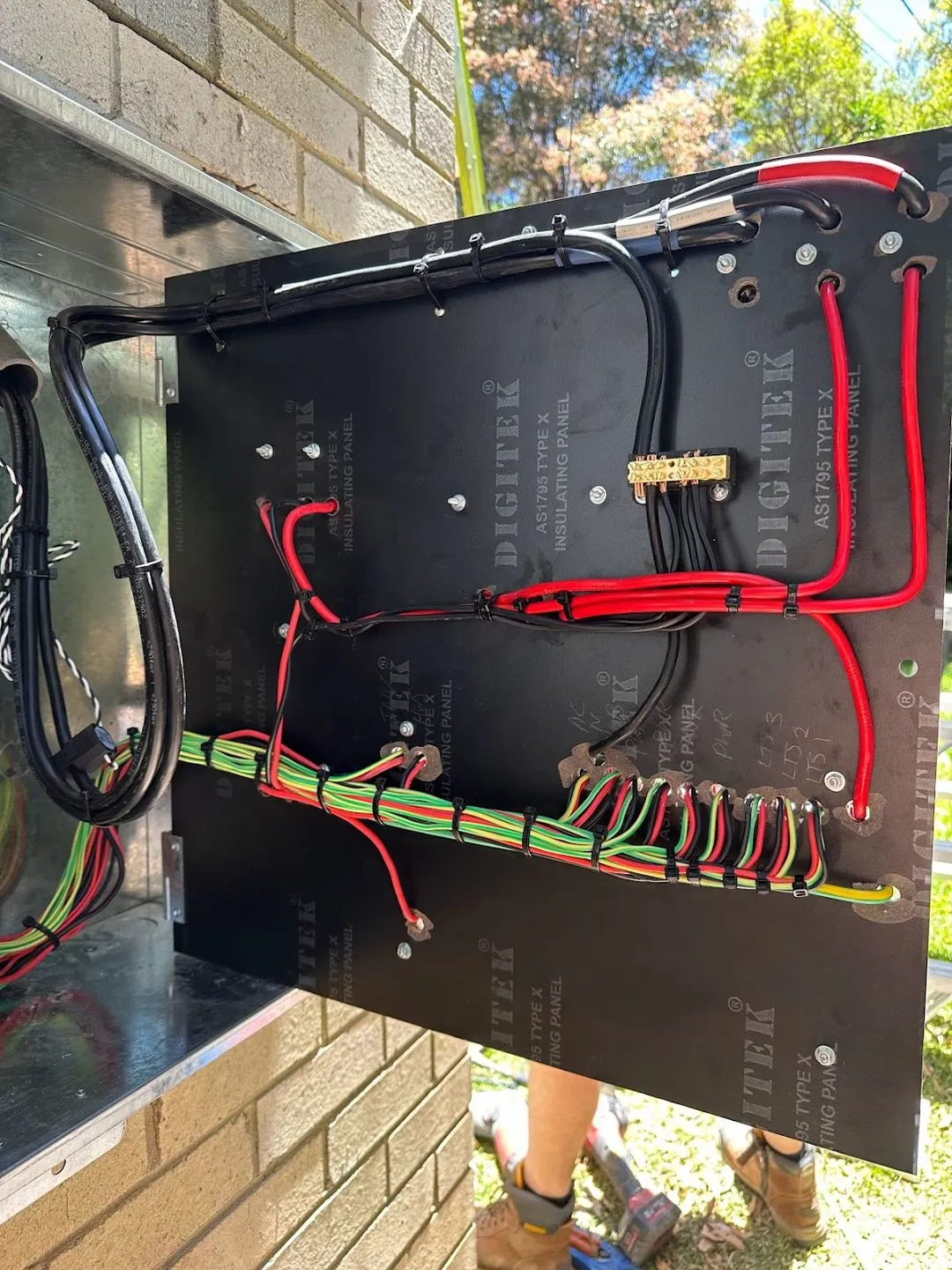

Powering Your Needs with Expertise
If you’re looking for a reliable, experienced, and prompt electrician, look no further than High Demand Electrical. We cater to all your electrical needs, from routine maintenance to emergency repairs and complete system installations. Our skilled team is committed to providing professional service that ensures your electrical systems run smoothly. Whether it's a small task or a large project, give us a call today. Let us meet all your electrical demands with the quality and reliability you deserve.

