Building Near Power Lines in NSW: Clearances, Easements and What You Can Actually Build
Can you build near an overhead power line in NSW? Usually yes, but easements and safe approach distances limit exactly where and how close, and getting it wrong can mean a stop-work order or a rebuild. Here's what a network easement actually restricts, the distances that apply to renovators and builders, and when your distributor needs to be part of the conversation before you start.
👉 See our network installation services →
1. Easements: what the network actually owns the right to
An easement doesn't give the distributor ownership of your land, but it does register a permanent right for them to have their equipment there, and to access it for maintenance and repair. Depending on how the easement is worded, that can restrict building structures, changing ground levels, planting certain trees, or even fencing within its boundaries. Before designing anything near a line or an easement marked on your title, get a copy of the easement terms from the title search, since they vary property to property.
2. Safe distances during construction
Separate from what you can permanently build, there are strict safe approach distances that apply while work is actually happening near live lines, covering cranes, scaffolding, excavators and even people simply working nearby. Our guides to Ausgrid's safe approach distances and Endeavour Energy's minimum safe working distances cover exactly how far machinery, scaffolding and tradespeople need to stay from live conductors during a build, which is a different question from where the finished structure can sit.
3. Clearances for the finished structure
Once construction is finished, a different set of clearance rules governs how close the building itself can sit to an overhead line. A service line running to your property has to clear specific heights above driveways, roofs and accessible structures, and building up ground levels or adding a new structure underneath can breach those clearances even without touching the line. If your project involves a pool, deck, carport or pergola anywhere near an overhead line, it's worth checking our service line clearance guide for the specific heights before locking in a design.
4. Talking to your distributor before you commit
For anything that might affect network infrastructure, a large excavation, a structure near an easement, or work close to a substation or transmission line, contact your distributor early rather than after council approval. Ausgrid and Endeavour Energy both run their own vicinity approval processes for larger projects, and getting that conversation started during design avoids a redesign later. Check your network area in seconds to confirm who you need to talk to.
5. Moving or undergrounding a line for your project
In some cases a distributor will relocate or underground a section of line to accommodate a development, but it's a significant project in its own right, generally at the property owner's cost, and needs to be planned well ahead of any construction timeline. Our guide to why Sydney still has overhead power lines covers why this isn't a simple or cheap request, and converting overhead to underground for your own connection is generally a far more achievable version of the same idea.
6. Your own private assets follow a different rule again
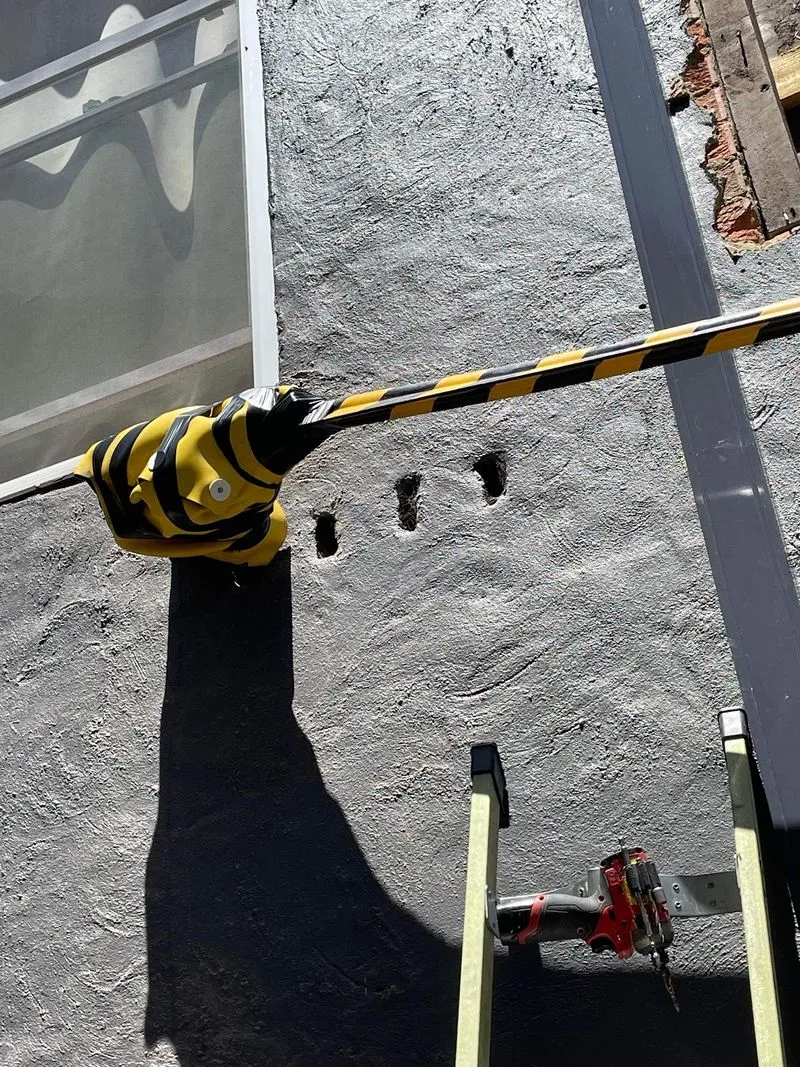
If the line in question is your own private power pole or overhead wiring, rather than the network's, the clearance and construction rules sit with you as the asset owner rather than with an easement. Our tiger tail installation guide covers a practical, low cost way to make a private line more visible during construction work nearby.
Why it's Level 2 ASP work
Anything involving the distributor's line, an easement negotiation, or the service connection to your property needs to go through an accredited Level 2 ASP, since that's who's authorised to liaise with Ausgrid or Endeavour Energy on network side matters.
How High Demand Electrical helps
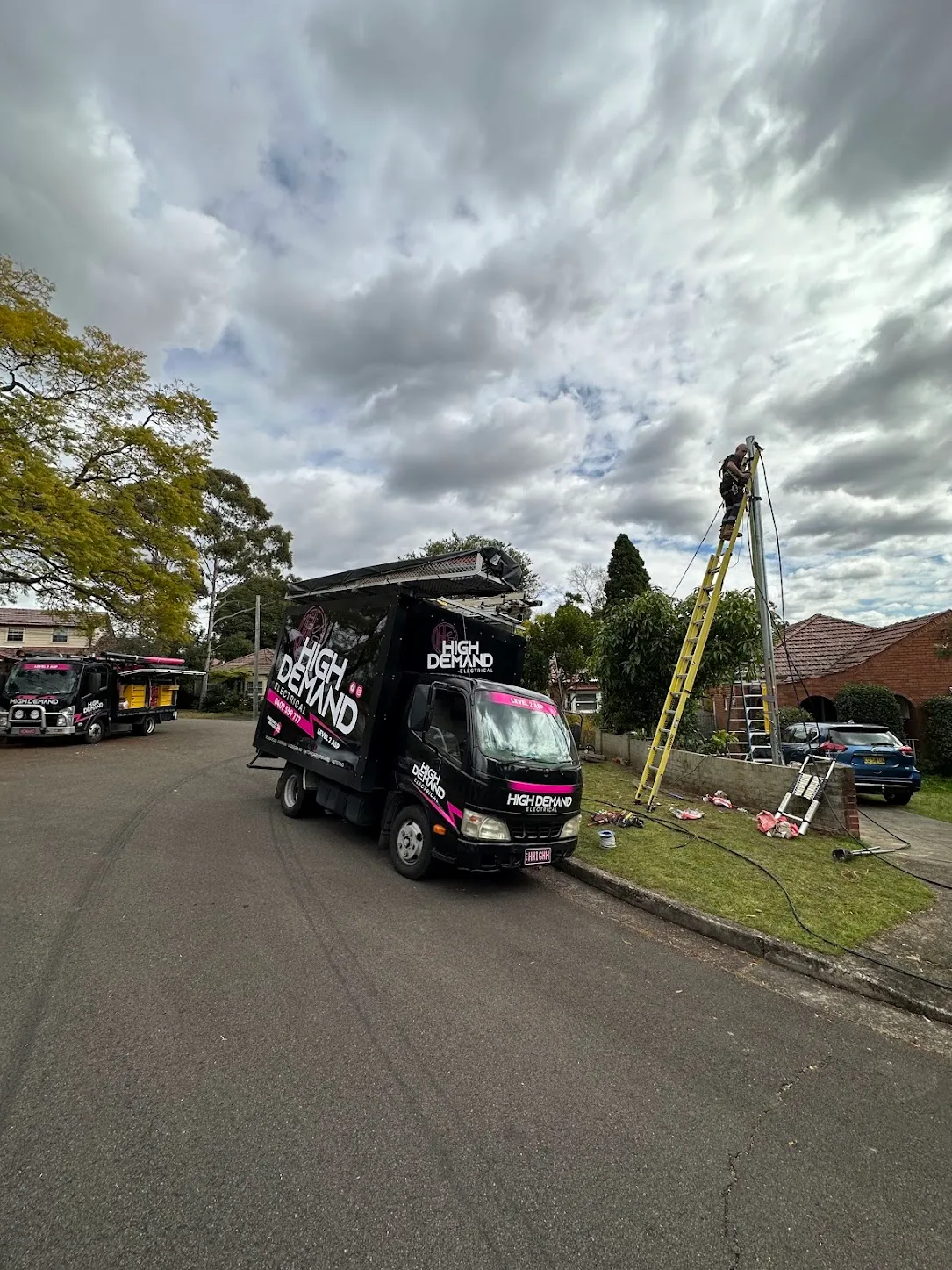
We assess proposed builds near overhead lines and easements for homeowners and renovators across Sydney, working out what's genuinely restricted, what needs distributor sign off, and what a straightforward clearance check can resolve before you're locked into a design. We're accredited on both the Ausgrid and Endeavour Energy networks. If your renovation also touches your own supply, whether that's relocating a private power pole or bringing a new overhead line onto the property, we can scope and quote that work at the same time so the whole project is coordinated under one accredited team rather than split across separate contractors.
Planning a build or renovation near an overhead line? Talk to our network installation team or call 0402 559 777. Every job starts with a site assessment so scope and pricing are confirmed before work begins.
Related Services
.webp)
Powering Your Needs with Expertise
If you’re looking for a reliable, experienced, and prompt electrician, look no further than High Demand Electrical. We cater to all your electrical needs, from routine maintenance to emergency repairs and complete system installations. Our skilled team is committed to providing professional service that ensures your electrical systems run smoothly. Whether it's a small task or a large project, give us a call today. Let us meet all your electrical demands with the quality and reliability you deserve.