Sydney Businesses: NSW Rebates and 2–4 Year Payback on LED Upgrades
Yes, most small and medium Sydney businesses can upgrade to LED lighting, and many qualify for part-subsidised costs under NSW government schemes. The catch is that eligibility depends on your existing fittings, not a blanket guarantee, so the sensible first move is a verified site assessment rather than accepting a quote sight unseen. A local Level 2 provider like High Demand Electrical can inspect your site, confirm what qualifies, and price the job with the paperwork done properly from day one.
Table of Contents
- What lighting upgrade for businesses Sydney rebates actually cover
- What does an LED upgrade cost, and how fast does it pay back?
- Fixtures, drivers and controls: what's actually in a commercial upgrade
- What to ask before you hire an electrician for the job
- A step-by-step checklist to plan your upgrade
- Disposing of old lamps and tubes the right way in NSW
- Do you need council approval for a lighting upgrade?
- Real upgrades happening across Sydney businesses
- Finding an accredited electrician for your upgrade in Sydney
- Our local perspective: what High Demand Electrical's site inspection covers
- Ready for a free site inspection with High Demand Electrical?
- Sources
What lighting upgrade for businesses Sydney rebates actually cover
The NSW Energy Savings Scheme is the mechanism behind most "subsidised LED upgrade" offers you'll see advertised around Sydney. IPART's guidance for households and small businesses lists high-efficiency and LED lighting upgrades as eligible activities, which means a portion of your install cost can be offset through certificates the installer claims on your behalf. It's not a rebate cheque in your hand, but a discount baked into the quote, calculated against your specific fittings.
Not every light fitting in your building qualifies, and this trips up a lot of business owners who assume "any old light gets swapped for free."
Fixtures that commonly qualify include:
- Halogen downlights (the classic ceiling spotlights in retail fitouts and offices)
- Linear fluorescent tubes (T8, T12) common in older commercial ceilings
- HID and metal halide fixtures used in warehouses and showrooms
- Mercury vapour lamps still found in some older industrial sites
Fixtures that usually miss out include lighting that's already LED, decorative or specialty fittings outside the scheme's product lists, and anything installed too recently to show a genuine efficiency gain. This is exactly why an accredited assessment matters before you claim anything: a qualified assessor documents your existing fittings, confirms which ones are eligible under the scheme's rules, and produces the paperwork the certificate claim depends on. Skip that step and you risk a quote based on assumptions rather than your actual site.
What does an LED upgrade cost, and how fast does it pay back?
LEDs typically use a fraction of the energy of the fluorescent, halogen, and HID technology they replace, and the Australian government's business lighting guidance points to lighting choice as one of the more direct levers a business has over its energy bill. On top of the power draw, LED fittings last considerably longer than halogen or fluorescent tubes, so you're not paying an electrician to swap blown globes every few months.
Three things drive the upfront cost more than anything else:
- Access and labour. High ceilings, warehouse racking, or fittings above stock in a busy retail floor all add time.
- Fixture type. Simple downlight retrofits are cheap; high-bay warehouse fittings and compliant emergency exit lighting cost more.
- Controls. Adding sensors or dimming systems increases the bill but also increases the savings, which we'll get to shortly.
Worked example: a small Sydney retail shop running halogen downlights for extended hours, swapped to LED equivalents typically cuts lighting energy use by more than half. At a modest commercial kWh rate, that can mean several hundred dollars a year back in the shop's pocket, with the upgrade itself often paying for itself within two to four years once maintenance savings are factored in. A warehouse or a business running lights closer to 24/7 will see that payback arrive faster, because the hours running through the meter are what actually generate the savings. Your own numbers depend on your tariff, your hours, and your installed wattage, which is exactly what a site assessment calculates properly instead of guessing.
Fixtures, drivers and controls: what's actually in a commercial upgrade
Not every "LED upgrade" means the same job. There are three broad approaches, and picking the wrong one for your building either wastes money or creates a fitting that fails early.
- Retrofit lamps swap the globe inside an existing fixture. Cheapest and fastest, but only appropriate when the existing housing and driver can genuinely handle it.
- Modular or integrated fixtures replace the light engine while keeping the housing, a common middle ground for offices and shops.
- Full-panel or fixture replacement tears out the old fitting entirely. It costs more upfront but is often the right call for tired warehouse high-bays or anything nearing the end of its working life anyway.
Before you sign off on any of it, ask to see the datasheet. The details that matter are driver compatibility, colour rendering index (CRI), colour temperature (CCT), and IP rating for anywhere humid or exposed. Commercial suppliers in Sydney generally build to AS/NZS 1680 for interior lighting design and AS 2293 for emergency and exit lighting, and any fitting touching emergency egress paths needs to meet that standard, not just look bright enough on the showroom floor.
Driver compatibility and IP rating often decide whether a simple retrofit will hold up or whether you actually need the full fixture replaced, a distinction that matters more than the sticker price of the globe itself.
Controls are where a lot of the real savings hide. DALI systems, wireless controls, PIR motion sensors, and daylight harvesting sensors that dim lights when natural light is sufficient can all stack meaningfully on top of the base LED saving. Sydney commercial suppliers increasingly bundle these into fitout jobs because the payback improves further once you're not lighting an empty stockroom at full brightness all afternoon.
Pro Tip: Don't add DALI or wireless controls to every zone on day one if your budget's tight. Fit them to the highest-use areas first, storefronts, open-plan offices, and add the rest once the first stage proves the savings out.
What to ask before you hire an electrician for the job
A rushed quote is the most common way businesses either miss out on eligible rebates or end up with a fitting that doesn't meet standard. Before you sign anything, ask to see:
- A written site assessment, not a verbal walk-through guess
- Confirmation of ESS eligibility for your specific fittings
- Product datasheets proving AS/NZS compliance
- Written warranty terms and any relevant test reports
Then ask the practical questions that decide how smoothly the job runs: how much disruption to expect during trading hours, likely start and finish dates, who's responsible for disposing of the old lamps, who lodges the ESS paperwork, and whether there's a maintenance plan once the new fittings are in.
Watch for these red flags:
- No one has actually inspected your site before quoting the price
- The warranty is a verbal promise, not something in writing
- The contractor can't produce a current electrical licence or insurance on request
- High-pressure sales tactics pushing you to sign before you've compared anything
A proper site assessment isn't a formality, it's the only way to know which fittings genuinely qualify for a rebate rather than assuming your whole building is covered.
A step-by-step checklist to plan your upgrade
Running an upgrade in the right order saves time and avoids paying for work twice.
- Walk your site and list existing fittings. Note fitting type, room, and approximate hours of use per day.
- Book a site assessment. Have an accredited installer confirm what's eligible and measure your actual usage patterns.
- Get a written quote with ESS eligibility spelled out. Confirm what's subsidised and what isn't before you agree to anything.
- Stage the work if your building mixes fitting types. High-use, high-cost areas first for the fastest payback; leave complex emergency lighting replacements, which need extra certification, for a later stage.
- Schedule installation around trading hours. Retail and hospitality businesses often run it overnight or split it across quiet days.
- Confirm disposal arrangements before install day, not after the old lamps are sitting in a skip.
- Request compliance documentation and warranty paperwork once the job's done, not months later when you actually need it.
Treating this as a staged project rather than a single event tends to produce a cleaner result, particularly for buildings with a mix of retail downlights, office panels, and warehouse high-bays under one roof.
Disposing of old lamps and tubes the right way in NSW
Old fluorescent tubes, halogen globes, and HID lamps aren't general waste, particularly fluorescent tubes, which contain small amounts of mercury. NSW environmental regulations require this kind of lighting waste to go through appropriate collection and recycling channels rather than the general skip bin outside your shop.
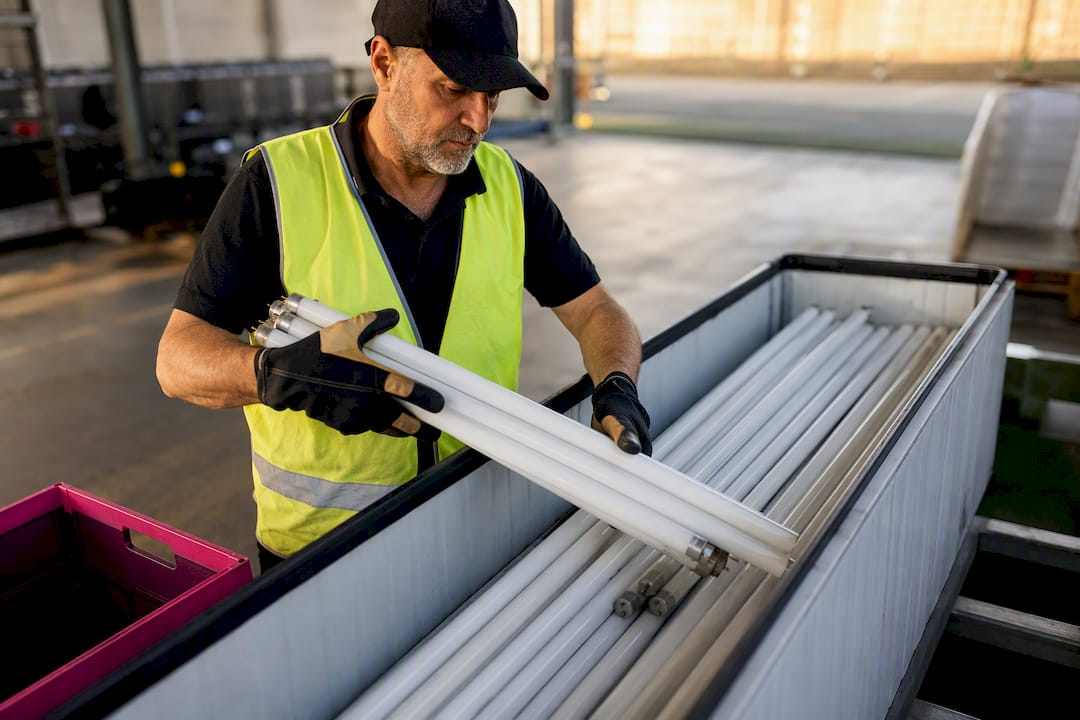
A compliant installer should handle this as part of the job, not leave a pile of old tubes for you to sort out separately. When you're getting quotes, ask directly whether disposal and recycling of the old fittings is included in the price or billed separately, because this is one of the details that quietly gets left off cheaper quotes. It's worth confirming in writing before installation day, alongside the other documentation covered in the contractor checklist above.
For larger commercial sites replacing dozens or hundreds of fittings at once, ask your installer which recycling facility receives the old lamps. A contractor who can answer that specifically, rather than vaguely, is usually one who does this kind of volume regularly.
Do you need council approval for a lighting upgrade?
For most straightforward LED swaps, retrofitting existing downlights, replacing fluorescent tubes, or upgrading a shopfront's internal lighting, no council permit or development approval is required, because you're not altering the building's structure or footprint.
Where approvals can come into play is when the upgrade involves new external signage lighting, illuminated shopfront displays visible from the street, or any electrical work that changes your switchboard capacity or main connection. Strata buildings add another layer: if you're a tenant or owner in a strata-managed commercial building, check with the owners' corporation before altering common-area lighting or anything tied to shared circuits.
The electrical work itself still needs to be carried out by a licensed electrician and meet NSW wiring rules regardless of whether council sign-off is needed, so the permit question and the compliance question are separate but equally non-negotiable.
Real upgrades happening across Sydney businesses
The pattern across Sydney's commercial LED upgrades tends to follow the same logic: staged rollouts that hit the highest-cost lighting first. A retail strip shop running old halogen downlights ten-plus hours a day sees the fastest visible saving because those are the hours actually driving the power bill. A warehouse running HID high-bays closer to around the clock sees an even bigger jump, simply because the base consumption was higher to begin with.
Suppliers active in the Sydney market, including local names like Limelight Australia and Superlight, report growing demand for fixtures that pair straightforward LED replacement with intelligent control systems, reflecting a broader shift toward businesses wanting the fitting and the smart control bundled into one job rather than bolted on later. That mirrors what shows up on the ground: businesses that stage the emergency lighting and compliance-heavy areas separately from the simple retrofit work tend to have a smoother project overall, because the certification requirements for exit and emergency lighting don't hold up the easier wins elsewhere in the building.
Finding an accredited electrician for your upgrade in Sydney
Sydney has no shortage of businesses advertising LED upgrades, which makes accreditation the detail worth checking first. Look for a contractor holding current NSW electrical licensing for Level 2 work, since anything touching your main switchboard or supply connection legally requires that qualification, not a standard electrician's licence.
Beyond the licence itself, ask about ISO certification for quality management, and whether the business can produce compliance certificates for past commercial jobs on request. A contractor genuinely active in the commercial space should have no trouble producing this on the spot.
Local supplier directories and manufacturer sites, such as LED Direct Solutions' commercial lighting page, are useful for understanding product standards and what a compliant fixture spec actually looks like before you compare quotes. Community and business networks around Sydney, including local chamber of commerce listings, are another practical way to check whether a contractor has genuine runs on the board in your suburb rather than a generic web presence.
Our local perspective: what High Demand Electrical's site inspection covers
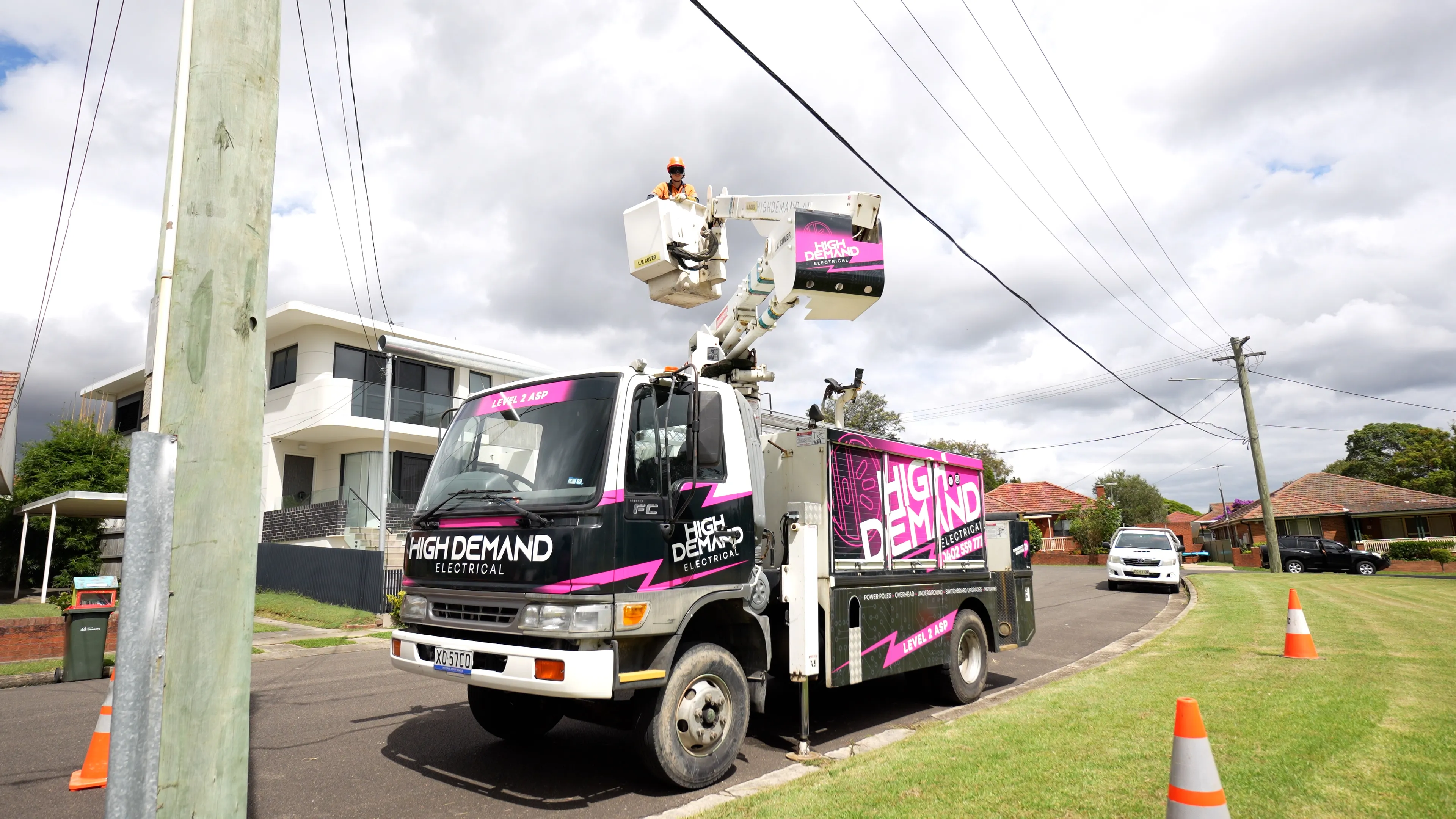
High Demand Electrical operates as a certified Level 2 electrical contractor across Sydney, with the licensing that specific ESS-related switchboard and supply work actually requires. We run a 24/7 availability model, hold over 300 five-star reviews from residential and commercial clients, and offer free site inspections for Level 2 work rather than charging upfront just to look at your building.
A typical site inspection produces a fixture inventory across your building, a preliminary check against ESS eligibility criteria, an early estimate of likely savings, and a written quote you can actually compare against other options rather than a verbal figure over the phone.
Our view is straightforward: the businesses that get the best result from an LED upgrade are the ones who treat the site assessment as the real starting point, not a box to tick before the "real" quote arrives.
— Christopher
Ready for a free site inspection with High Demand Electrical?
High Demand Electrical gives Sydney businesses a genuine alternative to guessing your way through an LED upgrade: a free, no-obligation site inspection for Level 2 work, done by a licensed team rather than a sales rep working off a generic price list. We check your existing fittings against ESS eligibility criteria ourselves, handle the paperwork that scheme claims require, and quote against your actual building, not an assumption.
The inspection covers your fixture inventory, a preliminary eligibility check, and an early savings estimate, usually turned around within a few business days depending on your site's size. From there you get a written quote covering fixtures, controls if you want them, and disposal of your old lamps, so there's nothing left to negotiate after the fact.
Before you book, it helps to have a rough fixture list or a few photos of your current lighting ready, it speeds up the assessment considerably. Start with a free Level 2 site inspection and get a clear, written answer on what your upgrade will actually cost and save.
Sources
- Upgrades for households and small businesses | IPART
- Lighting
- LED Direct Solutions — commercial led lighting
Recommended
Related Services
Powering Your Needs with Expertise
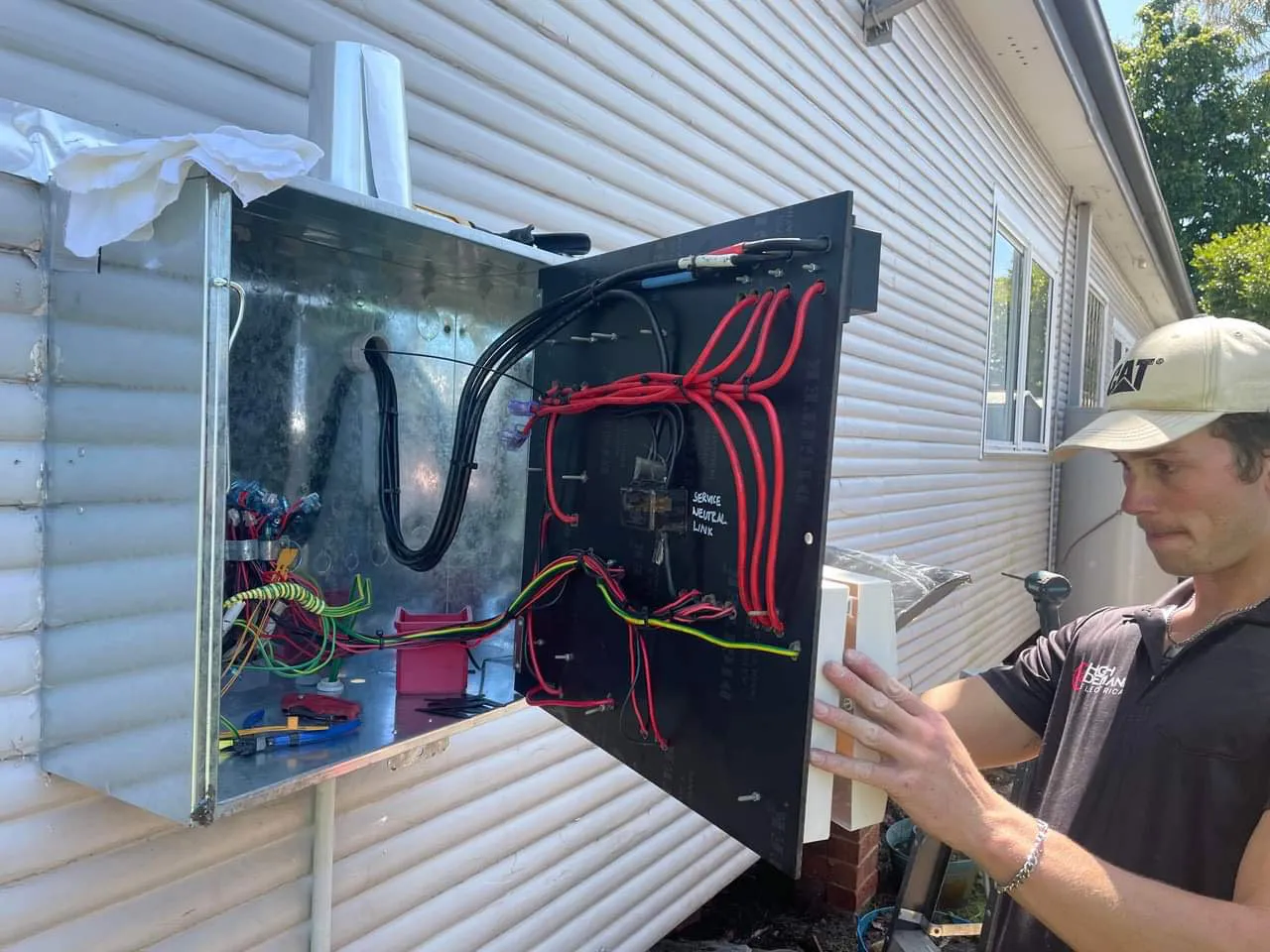
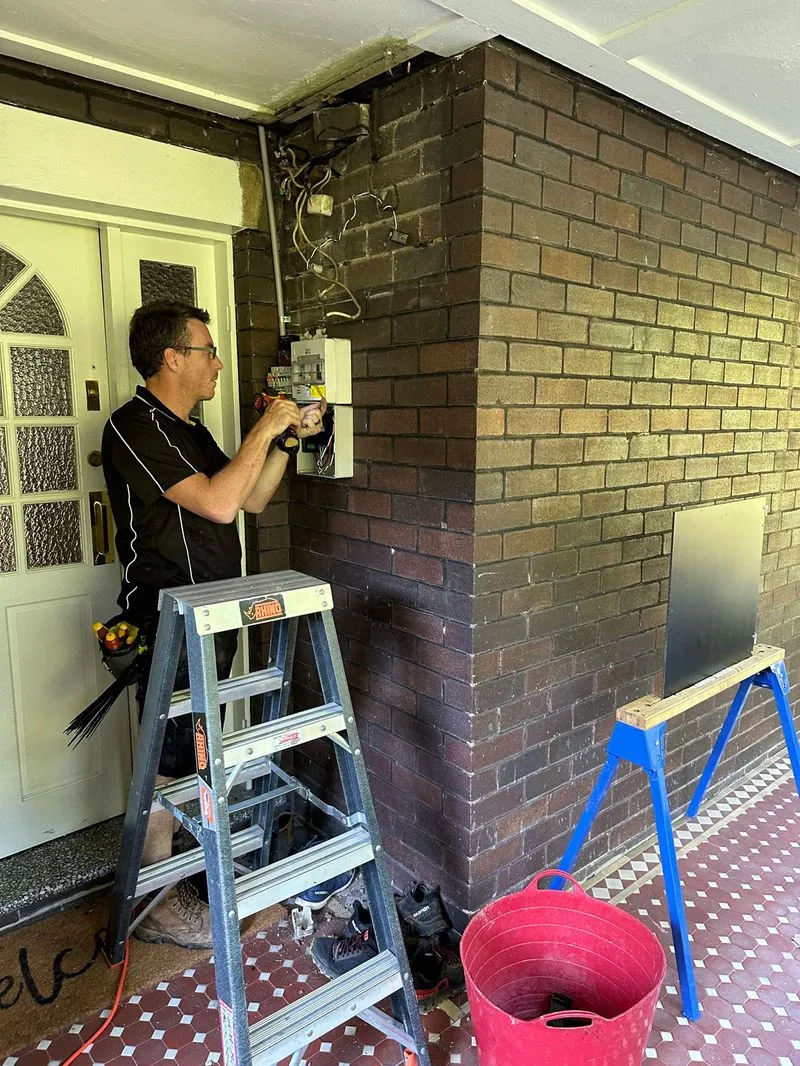
If you’re looking for a reliable, experienced, and prompt electrician, look no further than High Demand Electrical. We cater to all your electrical needs, from routine maintenance to emergency repairs and complete system installations. Our skilled team is committed to providing professional service that ensures your electrical systems run smoothly. Whether it's a small task or a large project, give us a call today. Let us meet all your electrical demands with the quality and reliability you deserve.