The Sydney Homeowner's Winter Electrical Safety Checklist
Winter is when your home's electrical system works hardest — heaters running for hours, more appliances on at once, and storms sending surges through the wiring. It's also when faults show up. This winter electrical safety checklist is the one-stop guide for Sydney homeowners: a quick scan to answer "is my house wiring safe?", then the detail behind each step.
Work through the six points below, and if anything looks off, book a professional check before the coldest weeks hit.
Your 6-point winter electrical safety checklist
Scan this now, then read the detail on each below:
- Test your safety switches (RCDs) — press the test button on each; if one won't trip, or keeps tripping, have it checked.
- Have your switchboard inspected — winter heating load quickly exposes an old, full or unprotected board.
- Run heaters safely — one heater per circuit, no daisy-chained power boards, and no worn or damaged leads.
- Fit surge protection — winter storms send voltage spikes through your wiring that can destroy appliances.
- Plan your backup power — a standby generator keeps heating, fridge and lights running through a blackout.
- Check your EV charging setup — higher winter load and wet weather make a safe, dedicated charger more important.
👉 Book a winter electrical health check and we'll run through all six for you.
1. Test your safety switches (RCDs)
Safety switches (RCDs) cut the power in a fraction of a second if there's a fault — they're your first line of defence against electric shock, and winter's damp weather makes them work harder. Press the TEST button on each one at your switchboard: it should trip instantly. If it doesn't trip, or if a switch keeps tripping for no obvious reason, that's a red flag.
Nuisance tripping after rain is especially common in winter — we explain why in why your safety switch trips after rain. If your board doesn't have RCDs on every circuit, a switchboard upgrade brings it up to current safety standards.
2. Have your switchboard inspected
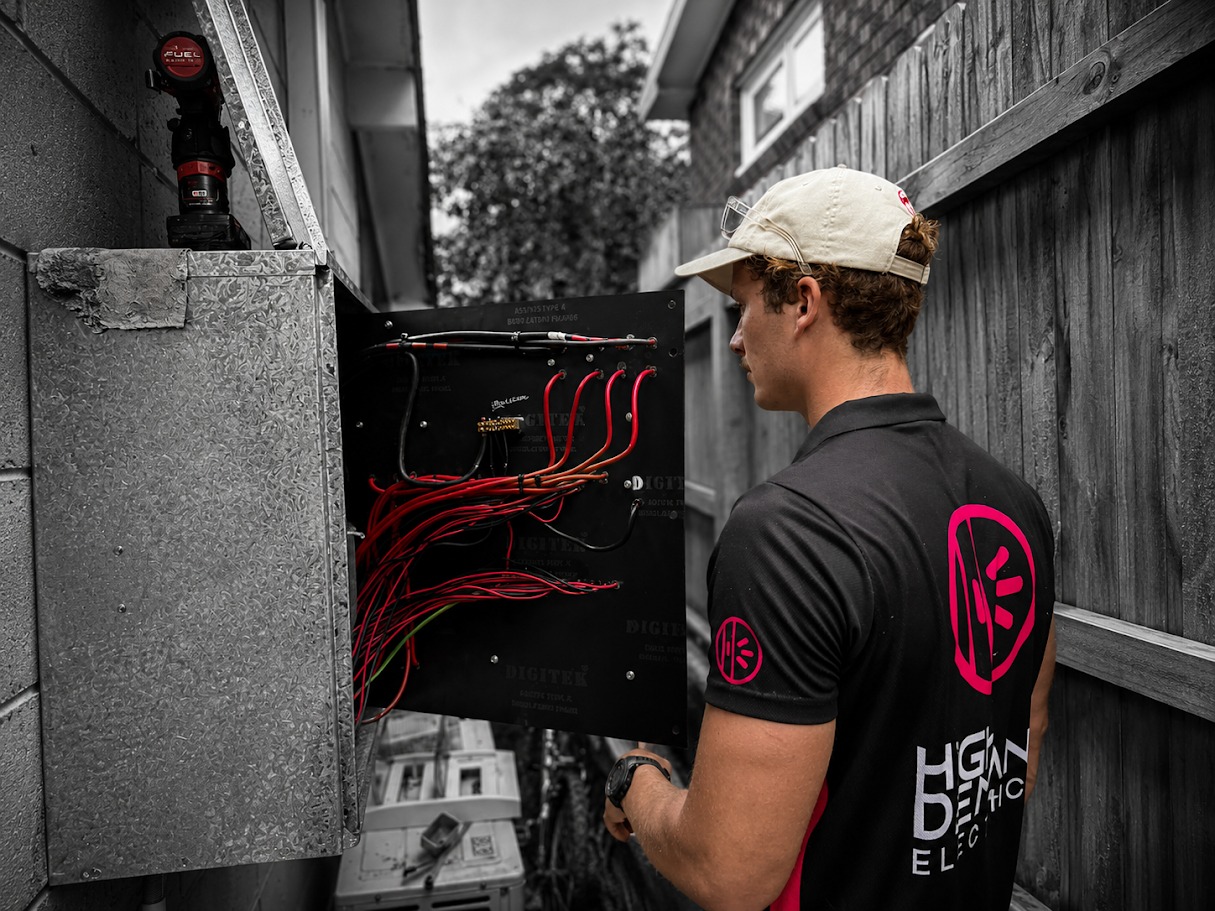
Your switchboard is the heart of your home's wiring, and winter's heavy heating load is exactly when an ageing or overloaded board struggles. Ceramic fuses, no safety switches, scorching, or frequent tripping all mean it's due for attention.
Our practical switchboard upgrade guide and what every homeowner needs to know cover the warning signs and costs. If your board is undersized for modern winter loads, a switchboard upgrade or power supply upgrade is the fix.
3. Run heaters safely and avoid overloaded circuits
Electric heaters draw a lot of current, and winter is peak season for overloaded circuits and tripped breakers. Keep to one heater per circuit, plug heaters straight into the wall (never into a power board or extension lead), and replace any lead that's frayed, warm to the touch or discoloured.
If your power keeps tripping when the heating goes on, the circuit or board may be at its limit. Winter is also when bills climb — our guide on why your electricity bill is higher in winter and which appliances to move to off-peak power can help you cut costs, especially paired with an off-peak meter.
4. Fit surge protection before the storms
Winter storms are a leading cause of electrical damage in Sydney. A single voltage spike can wipe out TVs, computers, appliances and smart-home gear in an instant. Whole-home surge protection installed at the switchboard is the most effective defence.
Get ahead of the weather with our pre-storm electrical checklist, and know what to do if damage happens with what to do after storm damage and our storm damage repair service.
5. Plan your backup power for blackouts
Winter storms bring down power lines, and outages always seem to hit when you need heating most. A standby generator keeps your essentials — or your whole home — running automatically when the grid goes down.
Start with our guide on whether a generator can power your whole house, then check what a Generac costs to install in Sydney and standby vs portable generators. When you're ready, our Generac generator installation service handles it end to end. In the meantime, know what stops working in a power outage and when to call an emergency electrician.
6. Check your EV charging setup for winter
If you charge an EV at home, winter's higher household load makes a safe, dedicated charging setup more important — charging off a general power point or a shared circuit is a common hazard. Make sure your charger is on its own properly rated circuit.
Our guides on what to check before installing an EV charger and EV charging costs and times at home cover it — and charging on off-peak power keeps winter running costs down.
More seasonal safety guides
- Possum in your roof? How to get it out and keep it out
- Outlet sparks when plugging in: is it dangerous?
- Expert tiger tail installation in Sydney: keeping you safe around live power lines
- My circuit breaker is hot — why? Here's everything you should know
- How to safely make your home solar and battery-ready
Not sure where to start? Book a winter electrical health check
If working through this list raised more questions than answers, that's exactly what a professional check is for. A winter electrical safety inspection covers your safety switches, switchboard, circuits, surge protection and backup readiness in one visit — so you head into the coldest months knowing your home is safe.
Book Your Winter Electrical Health Check
Head into the coldest months knowing your home is safe. We'll check your safety switches, switchboard, circuits, surge protection and backup readiness in one visit — and flag anything that needs attention before it becomes a problem.
High Demand Electrical — Level 2 ASP electrical contractor, Sydney. Licence No. 397193C.
This checklist is general guidance only. Electrical work must be carried out by a licensed electrician — if you notice any warning signs, arrange a professional inspection rather than attempting repairs yourself.
Related Services


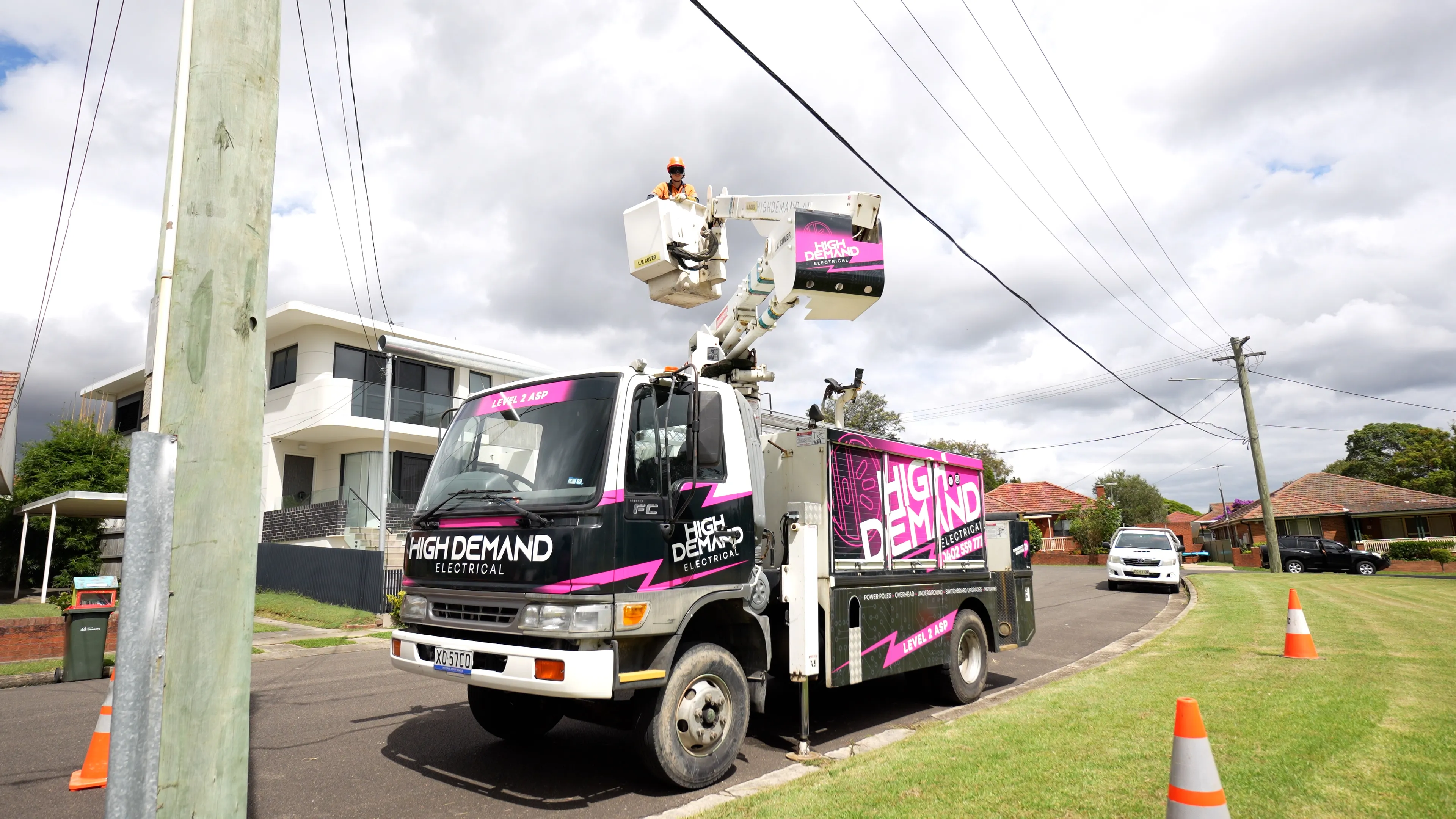
Powering Your Needs with Expertise
If you’re looking for a reliable, experienced, and prompt electrician, look no further than High Demand Electrical. We cater to all your electrical needs, from routine maintenance to emergency repairs and complete system installations. Our skilled team is committed to providing professional service that ensures your electrical systems run smoothly. Whether it's a small task or a large project, give us a call today. Let us meet all your electrical demands with the quality and reliability you deserve.