Power Outage in Sydney: What Stops Working (And What Won't)
What actually stops working when the power goes out in Sydney? Far more than the lights: refrigeration, internet, phone charging, garage doors, security systems, medical equipment, and for businesses EFTPOS, bookings and access doors, all at the same moment. The useful question is not how to power everything but which circuits you cannot afford to lose, because that answer is what a sensible backup power plan is built around.
⚡ Quick Answers: outage impacts
- How long does fridge food last in an outage? Roughly 4 hours before food starts warming into unsafe territory, faster in a Sydney summer. A full freezer buys longer than a half empty one.
- Does WiFi work in a blackout? No. Your router is powered, so home internet, work from home setups and smart home gear all drop out together.
- What does an outage cost a small business? Card payments stop, refrigerated stock starts dying and staff stand idle, so even a 4 hour outage can erase a day's profit.
- Do security systems and garage doors fail? Mains powered ones do, subject to whatever battery backup they carry. Electric garage doors need their manual release, which is worth finding before you need it.
- What should stay powered? Usually a short list: refrigeration, internet, essential lighting, security and any medical equipment. Backup power is sized around that list, not the whole building.
- Who do I report an outage to? Ausgrid on 13 13 88 or Endeavour Energy on 131 003, depending on your network.
1. What stops in a Sydney home
The fridge and freezer stop cooling immediately, and the clock on food safety starts. The router dies, taking internet, video calls and online school with it. Phones stop charging. Electric garage doors stop responding. Mains powered alarms, cameras and smart locks fall back to their batteries or fail. Heating and cooling stop, which turns a blackout in a heatwave or cold snap into a welfare issue for young children and older relatives.
The serious end is medical: CPAP machines, oxygen concentrators and other powered equipment make an outage a health risk rather than an inconvenience. If that is your household, registering as a life support customer with your retailer matters, and backup power stops being optional. Our guide to what to do during a Sydney power outage covers the immediate steps, and how power gets restored covers what happens next.
2. What stops in a Sydney business
EFTPOS goes down and, since most customers carry no cash, trading effectively stops. Refrigerated stock in cafes, restaurants and clinics starts spoiling within hours. Booking systems go quiet and the customers book elsewhere. Electronic doors and access control lock staff and customers out, CCTV and alarms go dark, and the tills that cannot open still have wages running against them.
For most small businesses the money lost in a single afternoon outage is a meaningful slice of the week, which is why backup power for the essentials is increasingly a normal business expense rather than an exotic one.
3. The real question: your essential circuits
Nobody sizes backup power for the air conditioning and every downlight. A home's essential list is usually the fridge, the router, a few lights, security and any medical gear. A business's list is payments, refrigeration, the network and the door. Everything else can wait for the grid.
That short list, measured properly, decides everything downstream: what size generator or battery, what the install costs, and what stays on at 2am. You can rough out your own numbers in two minutes with our free generator load calculator.
4. Why backup power is not just buying a generator
Plugging a hardware store generator into a power point is illegal and dangerous: it can backfeed the grid and electrocute the lineworkers fixing the outage. A legal setup connects through a changeover switch or an automatic transfer switch installed at the switchboard, which physically separates your home from the grid while the generator runs. How that works, and why homes with an automatic transfer switch get power back in under 75 seconds without touching anything, is its own guide.
The choice between a portable unit with a manual changeover and a permanently installed standby generator is a budget and lifestyle decision, laid out in standby versus portable generators, and whether a unit can genuinely run everything is answered honestly in can a generator power the whole house.
5. What the electrician assesses first
Before recommending anything we check the switchboard's condition and capacity, since an old board may need upgrading before any backup connection is safe. We identify and measure your essential circuits rather than guessing, confirm the right connection method for your property, and check the constraints that strata, apartments and commercial buildings put on generator placement, noise and fuel. The result is a setup sized to your actual load and compliant with the wiring rules and your network's requirements; you can check your network area in seconds with our postcode checker.
How High Demand Electrical helps
We assess, design and install backup power across Sydney, from a generator connection point and changeover switch for a portable unit through to fully installed Generac standby generators with automatic transfer switches, including the switchboard work, compliance paperwork and ongoing servicing. If an outage has just shown you what your property stands to lose, the assessment is where the fix starts.
Power Outage FAQs (Sydney)
How do I find out why my power is out?
Check whether neighbours are out too, then check your distributor's outage page or call them: Ausgrid 13 13 88, Endeavour Energy 131 003. If only your property is out, the fault is likely on your side; a partial outage points the same way.
Will my solar panels power the house during a blackout?
A standard grid connected solar system shuts down in an outage for safety. Only systems designed with battery backup circuits keep selected loads running off grid.
Is a generator or a battery better for outages?
Batteries are silent and instant but store limited energy; generators run for days on fuel but need fuel, siting and servicing. Many homes land on batteries for short outages and a generator where outages run long. The comparison is covered in solar battery versus generator.
What does a backup power assessment involve?
A visit to check your switchboard, agree your essential circuits, measure their real load and recommend a compliant setup with firm pricing. It is the step that stops you buying the wrong sized generator.
Work out what your property cannot afford to lose
Book a backup power assessment or call 0402 559 777. Every setup is scoped with a site assessment first, so the recommendation and pricing match your property rather than a brochure.
Related Services
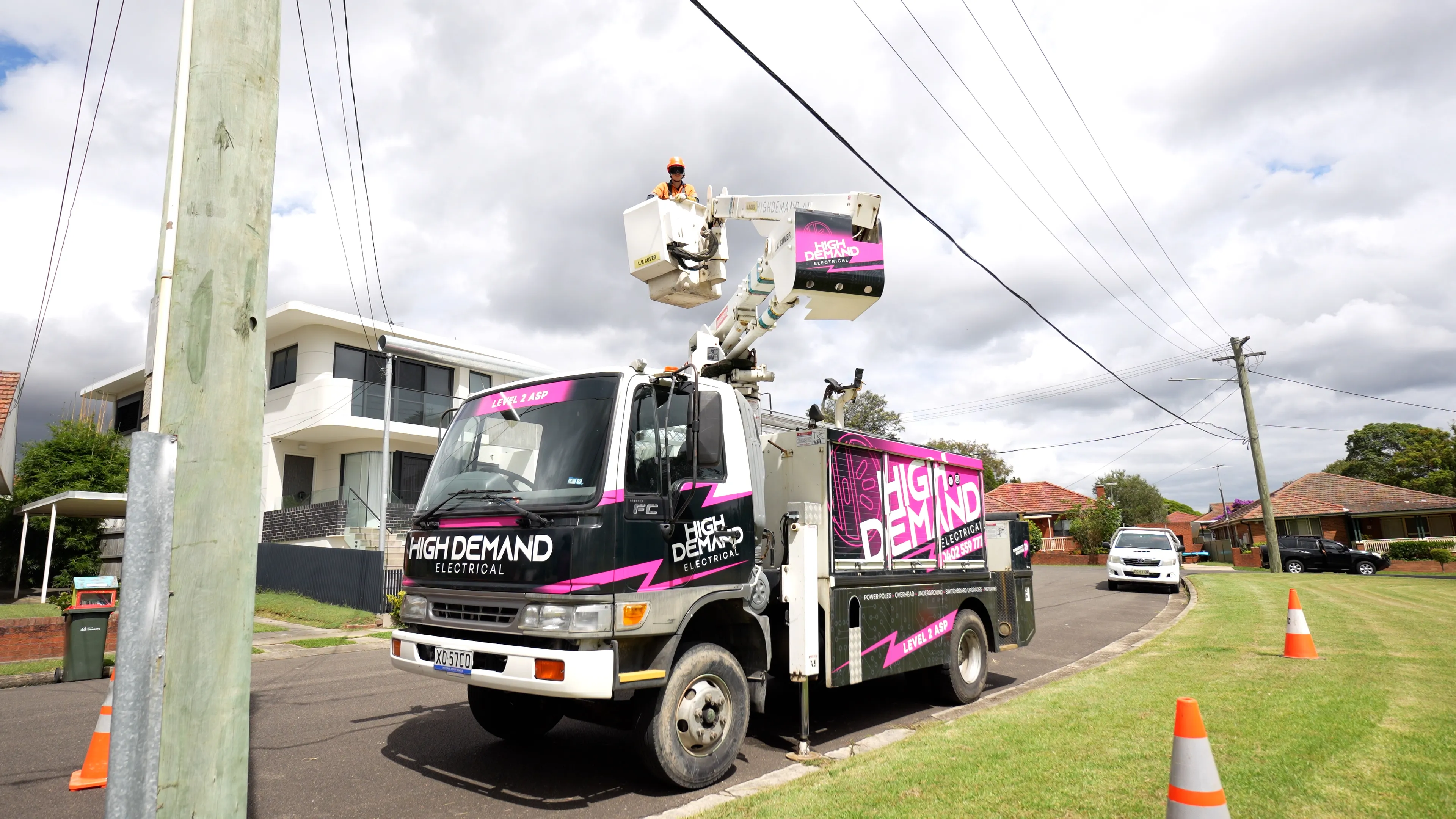
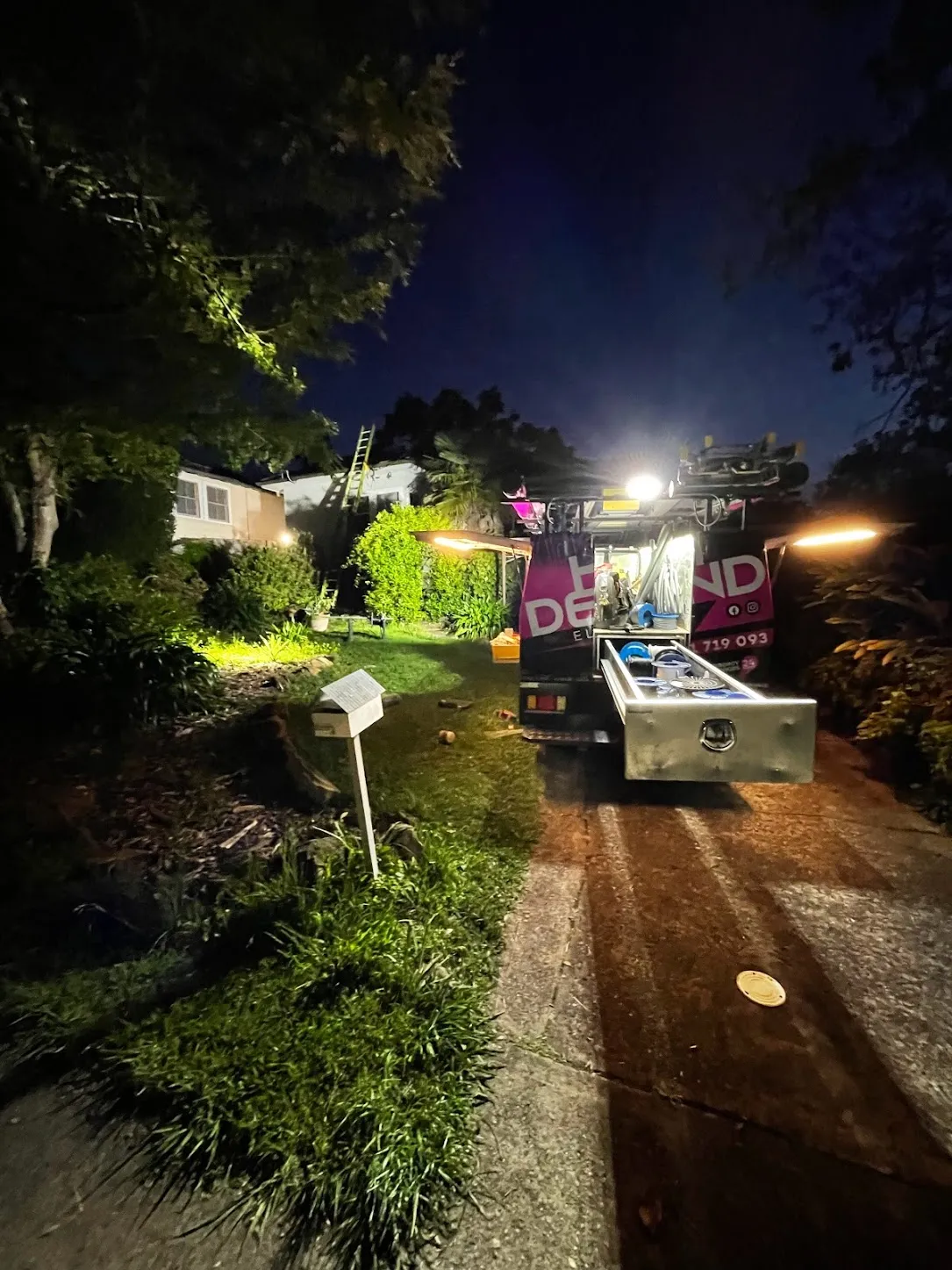
Powering Your Needs with Expertise
If you’re looking for a reliable, experienced, and prompt electrician, look no further than High Demand Electrical. We cater to all your electrical needs, from routine maintenance to emergency repairs and complete system installations. Our skilled team is committed to providing professional service that ensures your electrical systems run smoothly. Whether it's a small task or a large project, give us a call today. Let us meet all your electrical demands with the quality and reliability you deserve.