Safety Switch Tripping After Rain? Here's What to Do
Why does your safety switch trip after rain? Because moisture has reached part of your electrical system: an outdoor power point, garden lighting, a damaged cable, a leaking roof cavity near downlights, or the switchboard itself. The switch is doing its job by cutting power to a circuit that is leaking current. The one thing not to do is keep resetting it without finding out why it is tripping.
⚡ Quick Answers: safety switches and rain
- Can I reset it once? If everything looks dry and there is no burning smell, buzzing or sparking, one reset is reasonable. If it trips again, stop and call an electrician.
- Is repeated tripping dangerous? Treat it that way. A switch that keeps tripping is repeatedly detecting a real fault, often water bridging live parts to earth.
- What are the usual culprits? Outdoor power points, garden and sensor lights, pool equipment, garage and shed circuits, and water entering ceiling fittings through roof leaks.
- What if the switchboard itself is wet? Do not touch it. A wet board is a genuine hazard; our wet switchboard guide explains what happens next.
- Electrician or the network? If the whole street is out, call your distributor. If only your place is affected and the switch keeps tripping, it is an electrician's job. Not sure which network you are on? Check your network area in seconds with our postcode checker.
1. What the safety switch is actually telling you
A safety switch, or RCD, trips when current leaks out of a circuit instead of returning the way it should, which is exactly what happens when water creates a path to earth. Rain does not usually cause the fault so much as reveal it: a perished seal, cracked conduit or corroded connection that was survivable while dry becomes a live leak the moment water arrives.
That is why rain related tripping so often repeats with the weather. The fault dries out, the switch holds, and the next downpour finds the same weakness again.
2. The usual entry points
Outdoor power points top the list, even weatherproof ones, once covers crack or seals age. Garden, sensor and pool lighting comes next, with moisture entering fittings, buried cables or transformers. Roof leaks send water onto downlights, exhaust fans and ceiling wiring. Garages, sheds and laundries collect damp and flood first in a storm. Pool pumps and outdoor appliances develop earth faults from small amounts of water inside motor housings. And ageing switchboards with damaged enclosures let weather reach the gear itself.
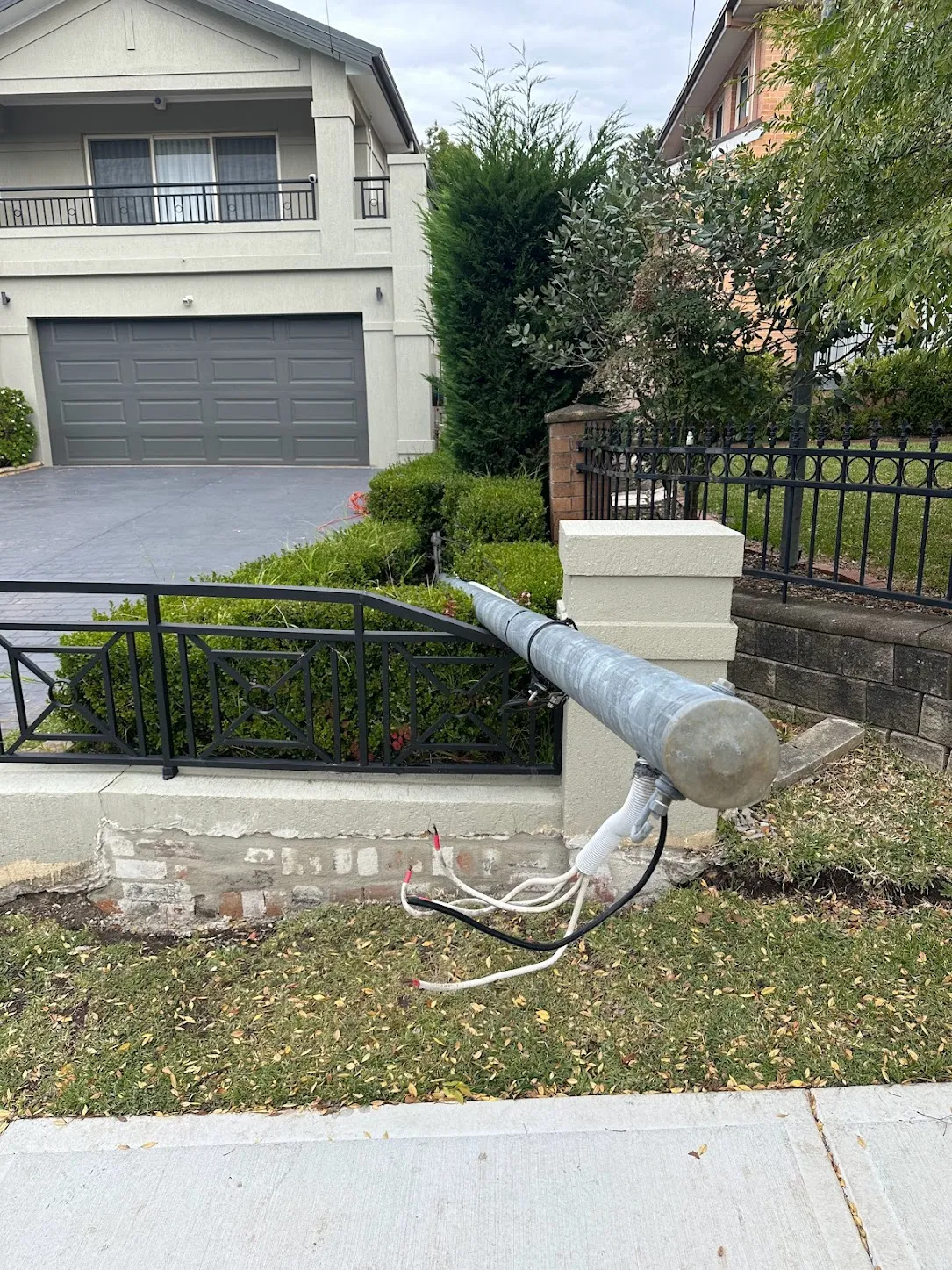
If storm damage has touched your private power pole, service line or meter, the problem moves beyond a standard fix: that side of the installation is Level 2 ASP work.
3. What to do right now
Keep everyone away from wet electrical areas and stop using the affected power points and appliances. If the switchboard area is dry and safe to reach, you can try one reset. If the switch trips again, trips instantly, or you notice burning smells, buzzing, sparks, water near the board, or part of the house dead, leave it off and call an electrician.
For anything actively burning or arcing, call 000 first. For fallen or damaged wires outside, stay well back and call your distributor: Ausgrid on 13 13 88 or Endeavour Energy on 131 003. Our fallen power line guide covers that scenario in full.
4. Narrowing down the faulty circuit
If the switch resets but trips when a particular circuit or appliance comes back on, that is useful information. Unplug outdoor appliances and anything in wet areas, then reset. If it holds, plug things back in one at a time until the trip repeats: you have found the culprit, or at least its circuit. If it trips with everything unplugged, the fault is in the fixed wiring and needs professional fault finding.
Do not go further than that. Opening fittings, testing wiring or working inside the board is licensed work, and moisture faults can sit in cables you cannot see. Our electrical fault finding service exists for exactly this job.
5. What the electrician checks
A proper rain fault visit works through the switchboard condition and safety switch behaviour, outdoor power points and external lighting, garage, shed and pool circuits, moisture affected appliances, and the ceiling spaces if a roof leak is suspected. Where storm damage is visible on the service line, pole or metering, that gets assessed too. The goal is to find the entry point, repair or isolate it permanently, and confirm the rest of the installation tests clean.
If the same switch has a history of nuisance tripping in any weather, that is a different pattern with its own causes, covered in safety switch keeps tripping.
6. Stopping it happening every wet week
Permanent fixes are usually unglamorous: replacing perished outdoor outlets and seals, re-terminating corroded connections, rerouting or replacing water damaged cable, fixing the roof leak, and weatherproofing or upgrading an exposed board. If your board is old enough that safety switches are sparse or absent, a switchboard upgrade brings full protection while solving the weather sealing at the same time. Before each storm season, the checks in our pre-storm electrical checklist catch most of these weaknesses early.
How High Demand Electrical helps
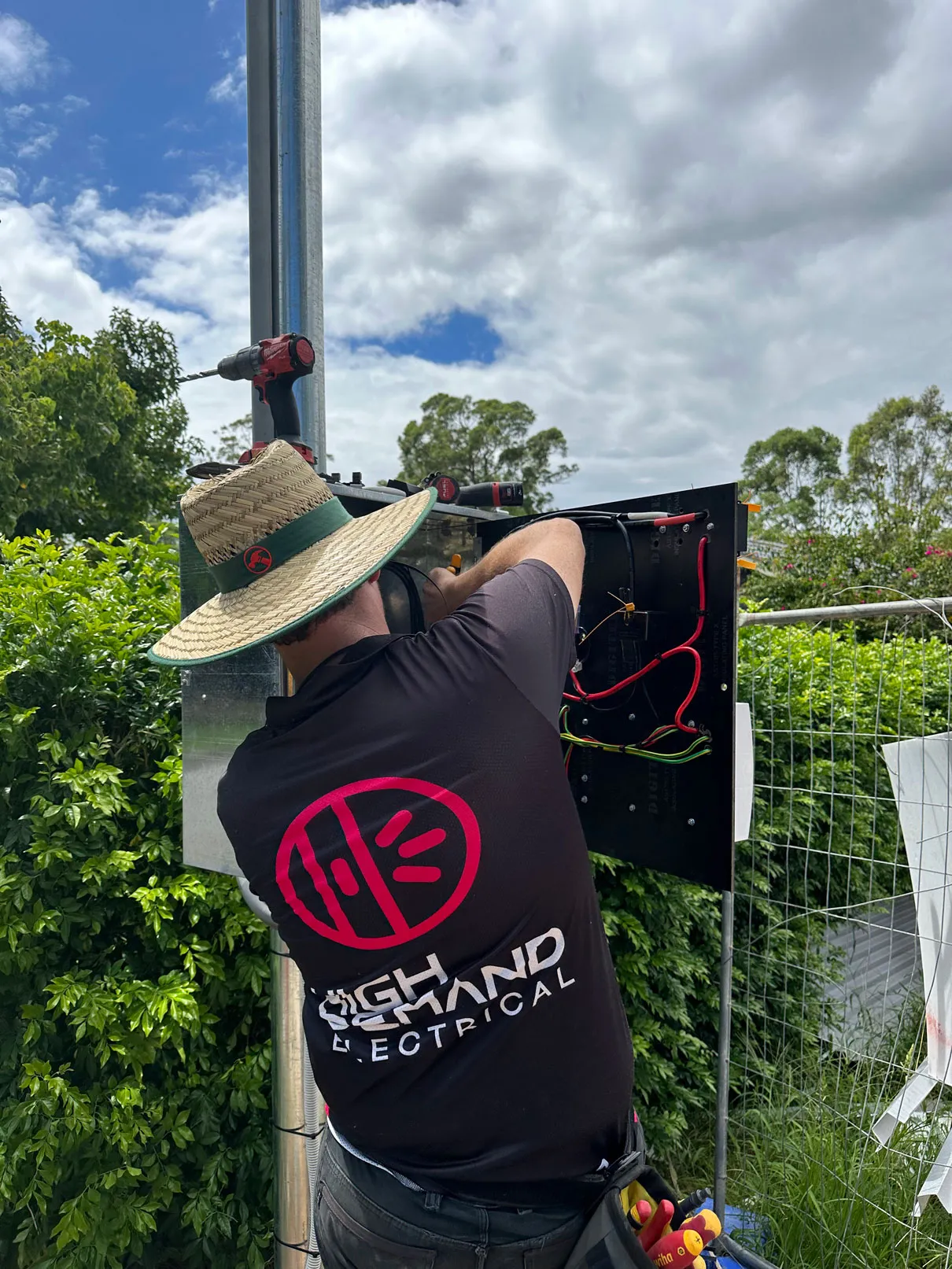
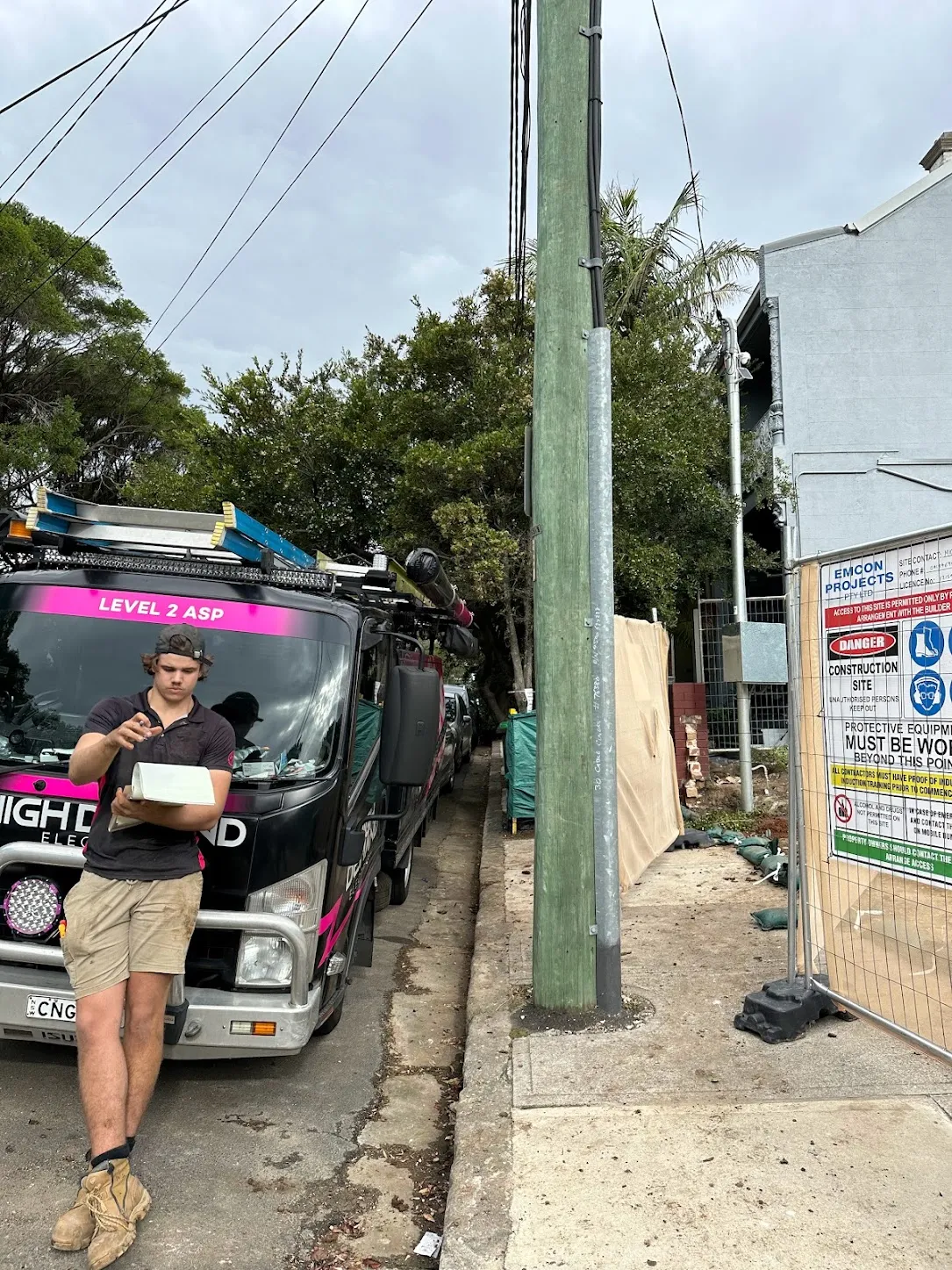
We handle rain and storm related electrical faults across Sydney: fault finding, permanent repairs, 24/7 emergency make safe where something is actively dangerous, and an electrical safety inspection when you want the whole installation checked rather than one symptom chased. As Level 2 ASPs we also repair the service line, pole and metering side that standard electricians cannot touch, and we manage storm damage repairs end to end, including reports for insurance.
More on storm and outage related electrical issues
- How can an electrician help you in the event of a natural disaster?
- Power disconnected in NSW? When to call an emergency Level 2 electrician
- Common problems with electrical storm damage in Sydney and how we fix them
- Emergency electricians in Sydney: what to do when the power goes out
- What to do when the power goes out in Sydney: call an emergency electrician
Safety Switch After Rain FAQs (Sydney)
Why does my safety switch trip hours after the rain stops?
Water travels slowly. It tracks along cables and through cavities, so the leak can reach live parts well after the sky clears. Faults that appear the next morning are still rain faults.
Can rain permanently damage wiring?
Yes. Repeated wetting corrodes connections and degrades insulation, so a circuit that has trip history in wet weather should be inspected even if it currently holds.
Is it ever the safety switch itself?
Occasionally a switch fails or becomes oversensitive with age, but assume the fault is real until an electrician proves otherwise. Testing the switch is part of any callout.
Do I need a Level 2 electrician for this?
Only if the fault involves the service line, private pole, consumer mains or metering. Inside wiring and circuits are standard licensed work, and we do both, so one call covers either outcome.
Still tripping after rain? Don't keep resetting it
Book a storm fault inspection or call 0402 559 777, 24/7. Every job starts with a site assessment so the scope and pricing are confirmed before work begins.
Related Services
Powering Your Needs with Expertise
If you’re looking for a reliable, experienced, and prompt electrician, look no further than High Demand Electrical. We cater to all your electrical needs, from routine maintenance to emergency repairs and complete system installations. Our skilled team is committed to providing professional service that ensures your electrical systems run smoothly. Whether it's a small task or a large project, give us a call today. Let us meet all your electrical demands with the quality and reliability you deserve.