Generac Guardian 10 vs 13 vs 20 kVA: Sydney Size Guide
Once you've settled on a Generac, the next decision is size. The Guardian air-cooled range steps up through three popular options, and getting the Generac Guardian 10 vs 13 vs 20 kVA choice right matters: too small and it won't run what you need, too large and you've paid for capacity you'll never use.
The quick guide: 10 kVA covers the essentials, 13 kVA suits most standard Sydney homes, and 20 kVA is for large homes and small businesses — and it's three-phase. This article breaks down what each one realistically powers so you can match the unit to your home.
👉 Explore the full Generac Guardian series →
Guardian 10 vs 13 vs 20 kVA at a glance
All three are Guardian air-cooled standby units that run on natural gas or LPG, include WiFi remote monitoring and carry Generac's 5-year warranty. The differences that matter for your choice are below.
| Feature | Guardian 10 kVA | Guardian 13 kVA | Guardian 20 kVA |
|---|---|---|---|
| Phase | Single-phase | Single-phase | Three-phase |
| Fuel | Natural gas or LPG | Natural gas or LPG | Natural gas or LPG |
| Best suited to | Essentials / smaller homes | Most standard homes | Large homes / small business |
| Typically powers | Fridge, lights, internet, power points, one modest load | The above plus kitchen, hot water, air con within reason | Whole home incl. ducted A/C, pool, multiple big loads |
| Indicative unit price | ~$6,000–$7,500 | ~$8,800 | ~$11,000 |
| Remote monitoring | WiFi included | WiFi included | WiFi included |
Indicative equipment-only prices for Australia; installation is additional. Final sizing depends on a load assessment.
Guardian 10 kVA: the essentials
The 10 kVA is the entry point to automatic standby power. It's single-phase and sized to keep the things you can't do without running through an outage — fridge and freezer, lighting, internet and comms, power points, and a modest load such as a single split-system air conditioner.
It suits smaller homes, or anyone whose priority is protecting the essentials rather than running the entire house. If your needs are lighter still, it's also worth weighing a portable generator with a changeover switch — but for hands-off, automatic backup, the 10 kVA is the smallest step in.
Guardian 13 kVA: the all-rounder for most homes
The 13 kVA is the most popular choice for a reason — it hits the sweet spot for a typical Sydney home. Single-phase and rated for around 59 amps of continuous output, it comfortably covers the essentials plus the things a 10 kVA starts to strain on: kitchen appliances, hot water, and air conditioning within reason.
For the majority of standard homes that want genuinely useful backup without stepping up to three-phase, this is the one we recommend most often. It also handles low natural gas pressure well, which can simplify the gas side of the install.
Guardian 20 kVA: whole-home and three-phase
The 20 kVA is the big one — built for large homes, heavy loads like ducted air conditioning and pools, and small businesses that need to stay running. It can back up the whole home rather than just selected circuits.
The crucial point: the 20 kVA is a three-phase unit. If your property is already on three-phase, it's a natural fit. If you're currently single-phase, running it means a single-phase to three-phase upgrade — which affects both feasibility and cost, so it's something to establish at the very start. For larger commercial loads beyond this, we'd look at commercial options.
How to size it properly
The numbers above are a guide, not a quote. The right Guardian comes down to a load assessment — adding up the circuits and appliances you actually want backed up, accounting for start-up surges on motors like air conditioners and pool pumps, and leaving sensible headroom.
Undersize it and the generator struggles or won't carry the load; oversize it and you've spent more than you needed to. Getting this right at the site visit is exactly what avoids both. The unit is also only part of the total — our Generac cost guide shows how the model you choose flows through to the installed price.
What all three Guardians share
Whichever size you land on, the Guardian series gives you the same core package: dual-fuel capability (natural gas or LPG, with tool-less field conversion), automatic start within seconds of an outage via the transfer switch, WiFi remote monitoring so you can check status from your phone, relatively quiet running compared with diesel, and a 5-year warranty. If you're still comparing fuels, our natural gas vs diesel vs LPG guide covers that.
Beyond the unit: what else affects your choice
Two things often shape the final decision as much as the kVA:
- Your switchboard. The transfer switch ties into your board, and older or full boards may need a switchboard upgrade first — see our guide on whether you need a switchboard upgrade for a generator.
- Approvals. Siting, noise and certification all apply regardless of size — our guide on council approval for home generators in NSW explains what's involved.
We'd also fit switchboard-level surge protection with any unit to protect the install and your appliances.
Why High Demand Electrical
As an accredited Generac dealer and Level 2 ASP electrical contractor (Licence No. 397193C), we don't just sell you a box — we size it to your home with a proper load assessment, confirm whether your supply and switchboard suit the model, and install and certify the whole system as one job. Whether that's a 10, 13 or 20 kVA Guardian, you get the right size, installed correctly the first time.
Not Sure Which Guardian Size You Need?
We'll run a load assessment on the circuits and appliances you want to keep running, check your phase and switchboard, and recommend the right Guardian — 10, 13 or 20 kVA — with a clear, all-in quote.
High Demand Electrical — accredited Generac dealer and Level 2 ASP installer, Sydney. Licence No. 397193C.
Specifications and prices are indicative and may change; final sizing depends on a professional load assessment of your home. Always obtain a site assessment before purchasing or installing a standby generator.
Related Services
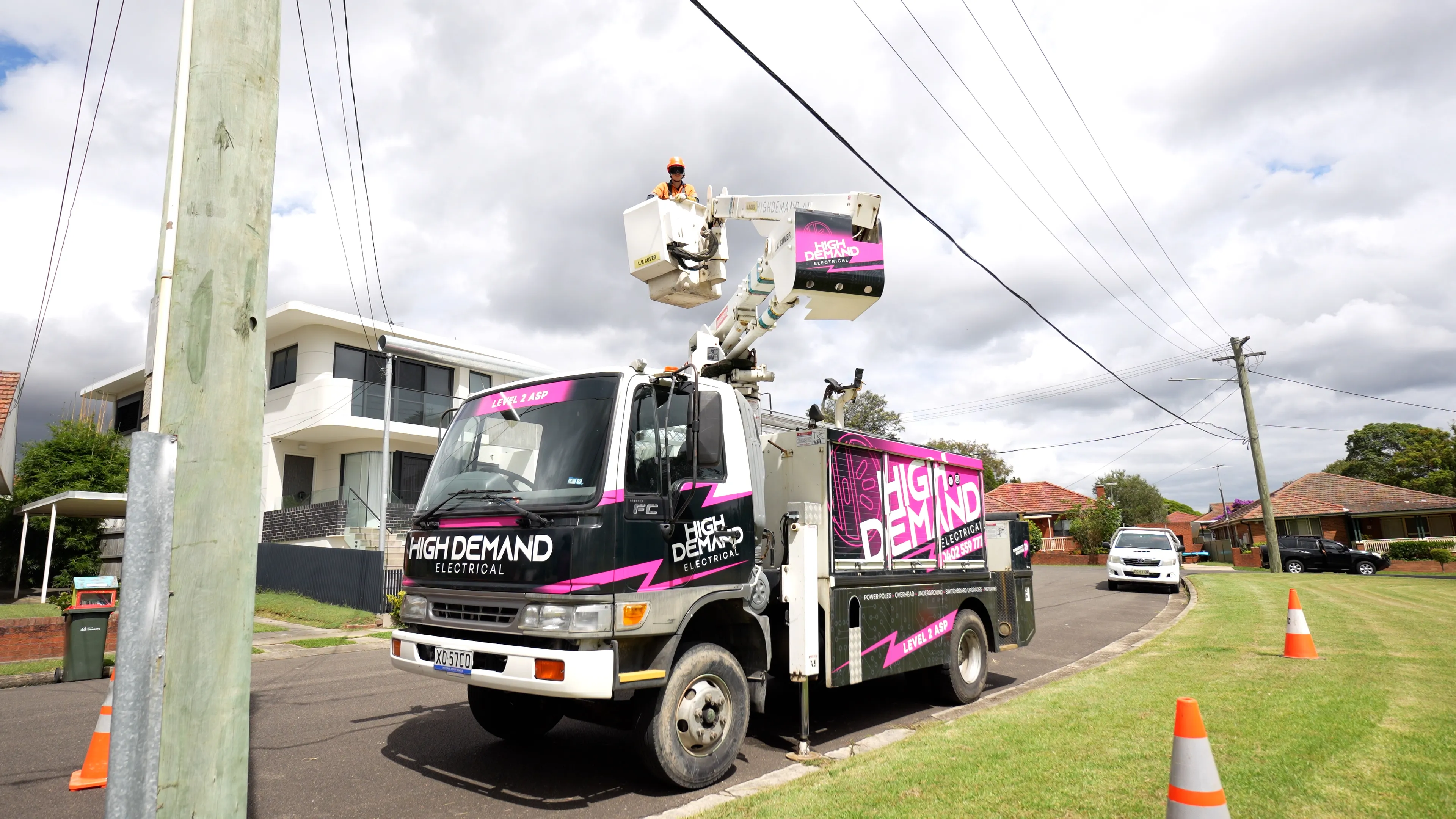


Powering Your Needs with Expertise
If you’re looking for a reliable, experienced, and prompt electrician, look no further than High Demand Electrical. We cater to all your electrical needs, from routine maintenance to emergency repairs and complete system installations. Our skilled team is committed to providing professional service that ensures your electrical systems run smoothly. Whether it's a small task or a large project, give us a call today. Let us meet all your electrical demands with the quality and reliability you deserve.