How to Test Your Smoke Alarms in NSW (Complete Guide)
Written by Chris · Licensed Level 2 ASP Electrician · Licence 397193C
How do you test a smoke alarm in NSW? Press and hold the test button for up to ten seconds, and a working alarm will beep loudly straight away. Do this once a month for every alarm in the property, replace the batteries every six months even if they still seem fine, and replace the whole unit every ten years regardless of how it appears to be performing, since the sensing chamber degrades in ways you cannot see from outside.
⚡ Quick Answers: Testing Smoke Alarms in NSW
- How do I test mine? Press and hold the test button for up to 10 seconds; you should hear a loud beep immediately.
- How often should I test? Monthly, plus a full battery replacement every 6 months for battery powered and hardwired backup batteries alike.
- When do I replace the whole unit? Every 10 years, check the manufacture date stamped on the back of the alarm.
- Can I fix a hardwired alarm myself? No. Only a licensed electrician can install, move or replace a hardwired smoke alarm in NSW.
- What's the difference between alarm types? Photoelectric alarms respond faster to smouldering fires and are now preferred; ionisation alarms respond faster to fast flaming fires.
1. The Two Main Types of Smoke Alarm
Ionisation alarms are the most common type in older Australian homes. They detect fast flaming fires quickly but can be slower to respond to smouldering fires, the kind that start behind walls or in furniture, and typically run on a 9 volt battery. Photoelectric alarms are now the preferred type: they detect smouldering fires earlier, which matters because most fatal house fires overnight involve slow burning smoke well before flames take hold.
Alarms also come in two power configurations. Battery powered units are standalone and easy to install but rely entirely on regular battery checks. Hardwired alarms connect directly to your home's electrical wiring, usually with a battery backup, and are standard in newer homes. Only a licensed electrician can install, replace or repair a hardwired alarm in NSW. If you're installing new alarms rather than testing existing ones, see our guides to smoke alarm installation types and process and smoke alarm installation costs.
2. How to Test Your Smoke Alarm, Step by Step
- Warn everyone in the home first. The test will trigger the alarm, so let people know nobody needs to call for help.
- Locate the test button. It is usually in the centre of the unit. Use a broom handle or a step ladder to reach a ceiling mounted alarm safely.
- Press and hold for up to 10 seconds. A working alarm emits a loud beeping pattern straight away.
- Listen for the signal. No sound, a weak chirp, or a slow response all point to a low battery or a faulty unit.
- Test every alarm individually. Interconnected hardwired systems should all sound together when one is triggered, but test each unit on its own too.
- Watch for a chirp between tests. A single chirp every 30 to 60 seconds usually means a low battery. Replace it straight away rather than waiting for the next scheduled test.
3. Your Ongoing Testing and Maintenance Schedule
- Monthly: press and hold the test button on every alarm.
- Every 6 months: replace batteries in battery powered alarms and check the backup battery on hardwired units, even if nothing seems wrong.
- Every 12 months: vacuum or brush dust and insects from the alarm's vents with a soft attachment. Built up dust is a common cause of both false alarms and reduced sensitivity, and chemical cleaners can contaminate the sensing chamber, so avoid them.
- Every 10 years: replace the entire unit, whether or not it still appears to work.
4. What NSW Rules Expect of Homeowners, Landlords and Strata
NSW building regulations require a working smoke alarm on every level of a home, including in or near bedrooms and along hallways that connect sleeping areas to the rest of the house. New homes and major renovations must use interconnected, mains powered photoelectric alarms rather than battery only units. For rental properties, landlords are responsible for ensuring alarms are installed and working, including testing before a new tenancy begins and replacing faulty units promptly, while tenants typically handle battery replacement during a tenancy. In strata buildings, the owners corporation is generally responsible for alarms in common areas, with individual lot owners responsible for their own units. For the full placement rules and landlord obligations, see our guide to NSW smoke alarm requirements.
5. When You Need a Licensed Electrician
Testing and swapping a battery covers most situations, but some jobs go beyond that and are not something to attempt yourself. Replacing or relocating a hardwired alarm connects into live circuits at your switchboard and must be done by a licensed electrician. The same applies to adding new alarms where none currently exist, or upgrading from battery only to hardwired. An interconnected system where one alarm no longer triggers the others points to a wiring or programming fault needing diagnosis. Persistent false tripping after a proper clean can indicate a failing sensing chamber or a nearby electrical issue. And an alarm mounted too close to a corner, a light fitting, an air conditioning vent or directly above a stove is in the wrong spot and needs relocating as licensed electrical work.
How High Demand Electrical Helps
High Demand Electrical handles smoke alarm inspections, hardwired alarm replacements and full compliance checks for homes, rental properties and strata buildings across Sydney, as a licensed local team rather than a call centre. If something is not right with your alarms, whether that is a hardwired unit that has failed or a system that has fallen out of compliance, we can usually diagnose and fix it the same day. If you need new alarms installed rather than an existing system tested, see our guides to smoke alarm installation in Sydney and smoke alarm installation costs.
Smoke Alarm FAQs (Sydney)
Can I test my smoke alarm with actual smoke?
A purpose made aerosol smoke alarm tester gives a more realistic test. Real smoke from a candle, incense or a match is best avoided, since residue can build up in the sensing chamber over time and trigger false alarms later. The button test is enough for routine monthly checks.
My smoke alarm is chirping every minute. What does that mean?
A chirp every 30 to 60 seconds is almost always a low battery signal, so replace the battery first. If the chirping continues on a fresh battery, the unit may be faulty or at the end of its service life, and a hardwired alarm should go to a licensed electrician rather than being opened up yourself.
How many smoke alarms does my home need?
At minimum, one alarm on every level plus one inside or immediately outside each bedroom, though the exact number depends on your floor plan. If you are unsure, an electrical safety inspection will confirm the right layout for your property.
Do I need council approval to upgrade to hardwired alarms?
No, upgrading from battery to hardwired alarms is licensed electrical work and does not need council approval. It does require a Certificate of Compliance for Electrical Work, standard for any licensed installation in NSW. See our guide to the electrical compliance certificate in NSW for what that covers.
Book a Smoke Alarm Check in Sydney
Call High Demand Electrical on 0402 559 777 to book a smoke alarm inspection, hardwired upgrade or compliance check anywhere in Sydney. A short site assessment confirms exactly what your property needs before any work or pricing is locked in. If you are due for a broader check of your home's wiring at the same time, ask about our electrical safety inspection service.
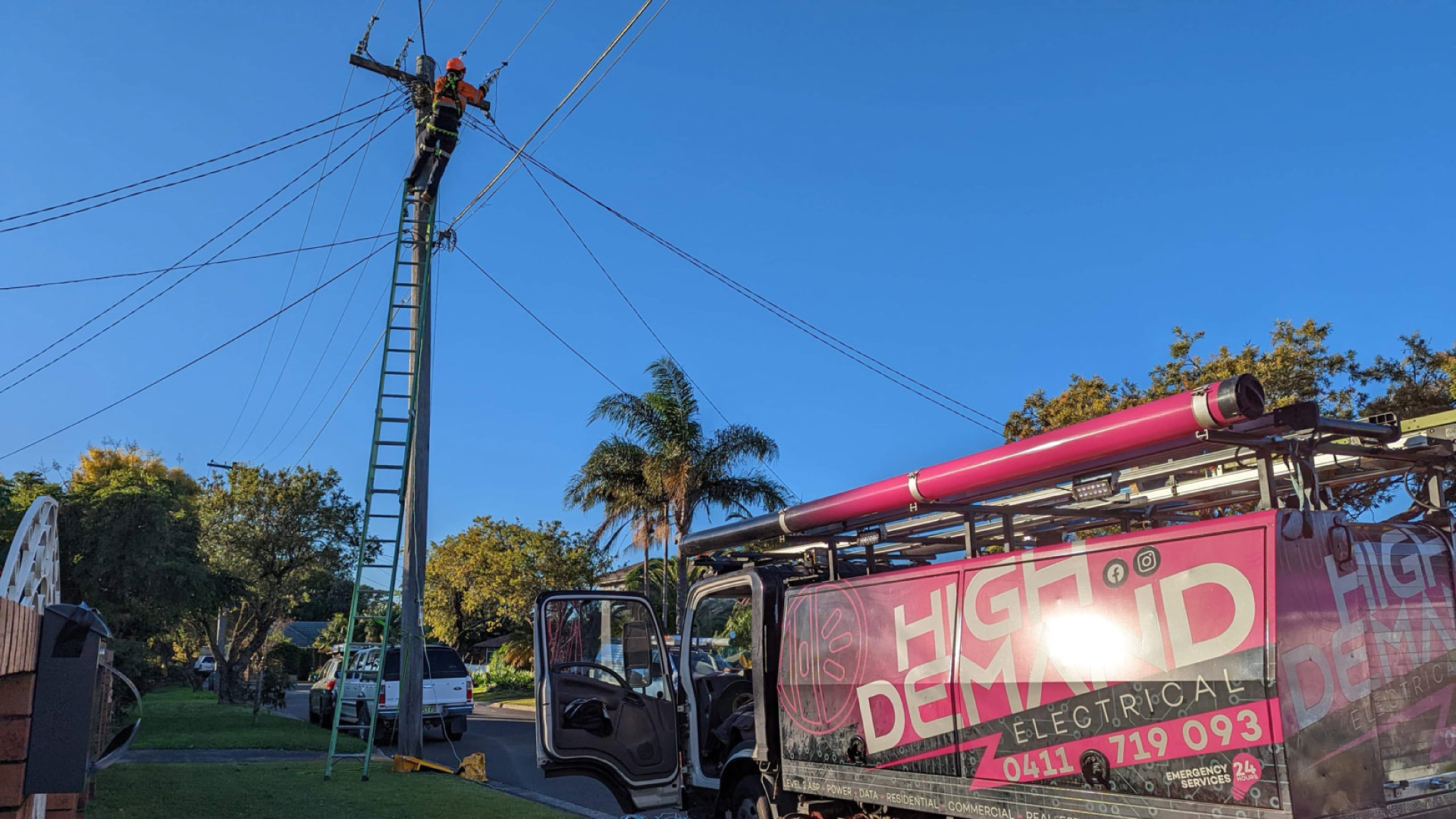
Powering Your Needs with Expertise
If you’re looking for a reliable, experienced, and prompt electrician, look no further than High Demand Electrical. We cater to all your electrical needs, from routine maintenance to emergency repairs and complete system installations. Our skilled team is committed to providing professional service that ensures your electrical systems run smoothly. Whether it's a small task or a large project, give us a call today. Let us meet all your electrical demands with the quality and reliability you deserve.